
How to Clean Bathroom Grout and Keep It White?
Few things make a tiled shower or bathroom floor look neglected quite like dingy, discolored grout lines. Even when your ceramic and porcelain tiles are scrubbed to a brilliant shine, dark or yellowish grout can make the entire space feel unclean. Because grout is a porous, cement-based material, it readily absorbs moisture, body oils, and microscopic dirt particles.
Restoring and maintaining bright white grout requires understanding how stains form, using the correct non-abrasive cleaning methods, and applying protective barriers to prevent future discoloration.
Quick answer: the best way to clean bathroom grout
Start with a gentle cleaner and a grout-safe brush
Begin with a mild, alkaline approach using a paste of baking soda and water (or hydrogen peroxide) paired with a soft-to-medium nylon bristle brush. Avoid harsh, highly acidic solutions or metal scraping tools that can pit and erode cementitious grout lines over time.
Why bathroom grout turns dark or yellow
Soap residue
As you wash, microscopic droplets of soap mix with bath oils and shower minerals, settling into the micro-pores of your tile grout to form a sticky, dull film.
Mildew and moisture
Bathrooms trap high humidity. Without proper airflow, moisture settles into porous grout lines, encouraging pink mold, black mildew, and dark fungal staining to take root beneath the surface.
Hard water minerals
High concentrations of calcium and magnesium in tap water leave behind mineral crusts that discolor grout, turning bright white lines into an aged, chalky yellow.
Body oils and product buildup
Foot traffic on bathroom floors grinds dead skin cells, body lotions, hair products, and natural body oils directly into open grout channels.
Sealed vs. unsealed grout
How to tell if grout needs resealing
Grout is naturally porous unless a liquid sealer has been applied to block moisture absorption. To test your grout, splash a few drops of water onto the lines.
- Sealed Grout: If the water beads up on top of the grout line, the protective barrier is still intact.
- Unsealed Grout: If the water darkens the grout and absorbs within a minute, the protective layer has worn away, leaving it vulnerable to deep staining.
Why unsealed grout stains faster
Unsealed grout acts like a dry sponge. Every time someone takes a shower or walks across the floor, dirty water and oils sink deep into the core structure of the material, making surface cleaning ineffective against deep discoloration.
How to clean lightly stained grout
Routine cleaning method
For general brightening and light maintenance, a simple, eco-friendly paste works wonders:
- Mix baking soda with water (or 3% hydrogen peroxide) to form a thick, spreadable paste.
- Spread the paste directly along the discolored grout lines.
- Let the mixture dwell for 15 to 30 minutes to lift surface oils and loosen grime.
Safe tools and brushes
- Nylon Grout Brushes or Old Toothbrushes: The flexible bristles fit perfectly into recessed grout channels, scrubbing away dirt without scratching surrounding tile glazes.
- Microfiber Towels: Use soft cloths to wipe away the loosened residue and rinse the area thoroughly with warm water.
How to handle deeper grout stains
Dwell time and repeated cleaning
Stubborn, set-in stains that have spent years accumulating grime require extended dwell time. Apply your baking soda and hydrogen peroxide paste, cover the area loosely with plastic wrap to prevent it from drying out, and let it work for a full hour before scrubbing.
When whitening products may help
If organic stains and mildew discoloration persist, an oxygen bleach cleaner or a specialized commercial grout brightener can safely lift deep-set discoloration without damaging standard tile.
Products to avoid on grout and nearby tile
- Harsh Acids (Pure Vinegar or Lemon Juice in excess): While popular DIY tricks, frequent acidic solutions can slowly etch and erode cement-based grout, making it rougher, more porous, and harder to clean in the future.
- Metal Scrapers and Abrasive Brushes: Steel wool or harsh wire brushes will scratch glazed tile surfaces and shred grout joints.
How to keep grout white longer
Dry wet areas after showering
Keep a small microfiber towel or a rubber squeegee in the bathroom and take 30 seconds to wipe down wet shower walls after use, drastically reducing the moisture that feeds mildew.
Improve bathroom ventilation
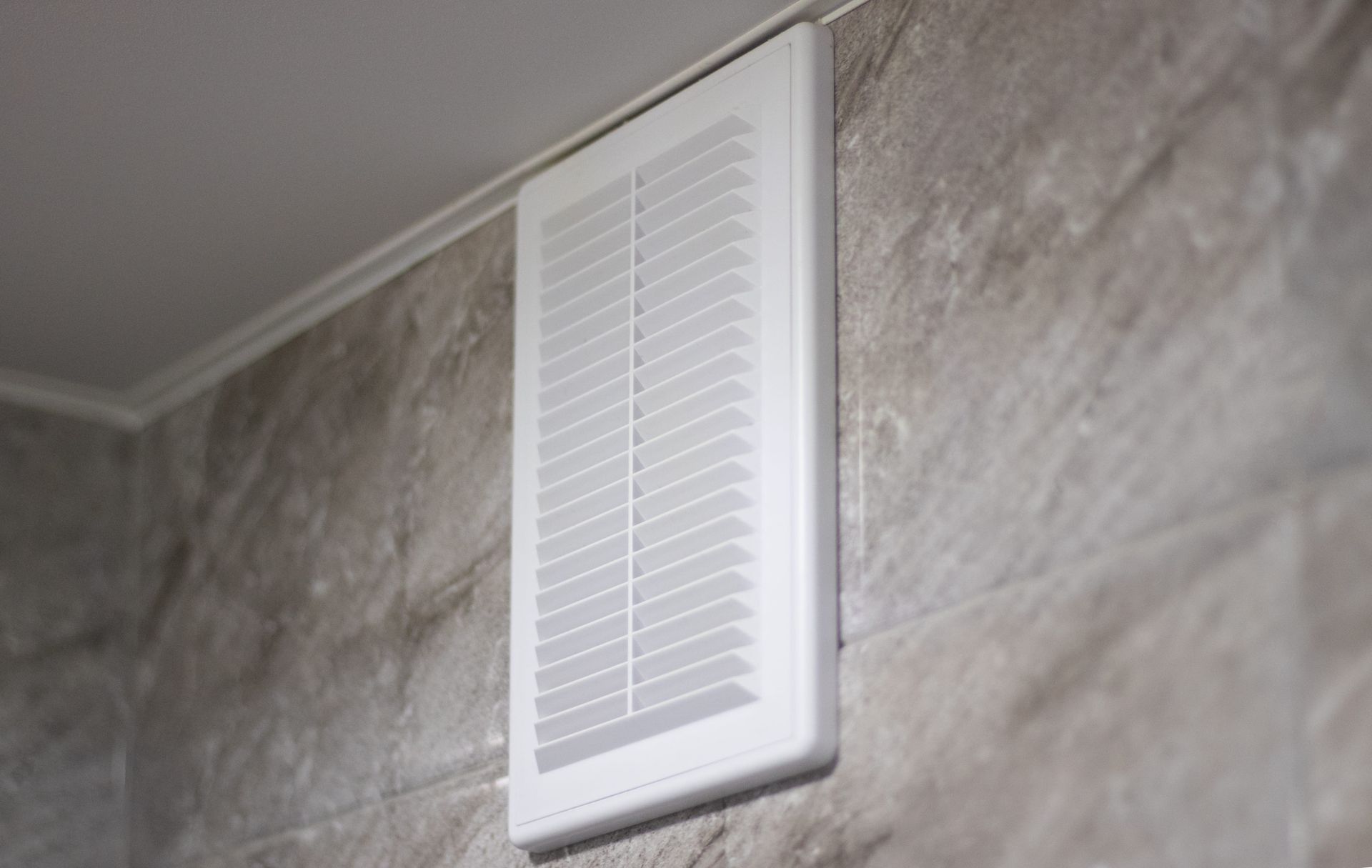
Always run your bathroom exhaust fan during showers and leave it running for at least 20 minutes afterward to pull humidity out of the room.
Clean weekly to prevent weekly buildup
Perform a light weekly wipe-down of your bathroom floors and shower surrounds to prevent soap scum and oils from hardening into permanent stains.
When to reseal grout
Once your grout is impeccably clean and completely dry (allow 24 to 48 hours after deep cleaning), apply a liquid penetrating grout sealer using a small foam brush or squeeze bottle applicator. Resealing your grout every 1 to 2 years ensures maximum protection against moisture and stains.
When professional cleaning is the better option
Large showers, heavy staining, and recurring service
Scrubbing miles of bathroom tile and grout lines on your hands and knees is physically exhausting. When years of neglect, deep mildew, and hard water staining resist DIY efforts, bringing in experts makes all the difference. Partnering with a professional cleaning service like Star Maids Cleaning Solutions ensures your entire bathroom—from tiled enclosures to delicate grout channels—is deep-cleaned, restored, and brilliantly maintained.
Ready to transform your bathroom tile and grout back to a flawless white without the heavy labor?
Click here to get your custom quote from Star Maids Cleaning Solutions today!
FAQ
What is the best cleaner for bathroom grout?
A thick paste made from baking soda and hydrogen peroxide (or water) is widely considered the best safe, non-toxic cleaner for lifting stains out of bathroom grout without damaging the surrounding tiles.
Can bleach damage grout?
Using chlorine bleach occasionally can whiten stains, but frequent or undiluted use can weaken cement-based grout over time, causing it to become brittle, crumble, or discolor.
How often should grout be sealed?
Standard bathroom grout should be resealed every 1 to 2 years (or more frequently in heavy-use master showers) to maintain a reliable barrier against moisture, soap scum, and dirt absorption.
Why does grout get dirty so fast?
Grout is naturally porous, meaning it features microscopic open channels that trap moisture, oils, and dirt like a sponge. Once unsealed, it absorbs grime instantly upon contact.