
How to Clean Vinyl Plank Flooring and Protect the Finish?
Luxury vinyl plank (LVP) and luxury vinyl tile (LVT) have become popular choices for busy kitchens, entryways, and family living spaces across Montgomery and Howard County, Maryland. Offering realistic wood and stone aesthetics paired with resilient synthetic construction, luxury vinyl is designed to handle daily household life. However, learning how to clean vinyl plank flooring correctly requires using gentle tools and manufacturer-approved cleaning solutions. Using harsh chemical solvents, unapproved steam appliances, or abrasive scrubbers can dull the protective clear wear coat, break down underlying adhesives, and void your warranty.
While proper floor maintenance keeps your living areas pristine, managing entryway debris is equally important during wet weather. For helpful tips on keeping grit off your floors, review our guide on keeping entryways cleaner in rainy weather.
How Should You Clean Luxury Vinyl Plank Flooring?
The safest way to clean luxury vinyl plank flooring is to sweep or vacuum away loose grit using a soft hard-floor attachment, spot-clean sticky spills with a damp cloth, mop using a pH-neutral cleaner formulated for resilient flooring, control moisture so liquid never pools over plank joints, and allow the floor to air-dry completely.
Know Your Vinyl Floor and Its Factory Finish
Before choosing a cleaning chemical, understand how resilient flooring is constructed:
- Luxury Vinyl Plank (LVP): Multi-layer planks featuring a rigid core, a high-resolution print film, and a protective clear polyurethane wear layer.
- Luxury Vinyl Tile (LVT): Composite tiles designed to mimic stone or ceramic tile with similar resilient layers.
Waterproof Marketing Is Not Unlimited Cleaning Permission
Many modern LVP products are marketed as "100% waterproof." While the synthetic vinyl boards themselves do not absorb water, excess liquid pushed across the floor can seep between unsealed click-lock joints. Trapped moisture underneath planks leads to subfloor damage, mold growth, or glue degradation in glue-down installations. Waterproof materials do not give license to flood vinyl floors with buckets of water.
Understand the Wear Layer
The factory-applied wear layer protects your floors against daily scuffs and stains. Applying traditional floor wax, acrylic polishes, or unapproved "shine-restoring" liquids to a modern LVP wear layer creates a gummy film that yellows over time and attracts dirt. Always follow the specific care guide provided by your flooring manufacturer (refer to Shaw's vinyl floor care guidelines).
A Step-by-Step LVP Cleaning Routine
Follow this structured, damage-free sequence to clean luxury vinyl floors safely:
1. Dry Debris Removal
Recommended Tool / Product: Microfiber dust mop or vacuum with a hard-floor brush setting.
Unapproved Practice: Rotating beater bars, stiff broom corn, wire pads.
Purpose: Removes abrasive grit without scratching or dulling the protective clear wear coat.
2. Spot Cleaning
Recommended Tool / Product: Damp microfiber cloth pressed gently over sticky spots.
Unapproved Practice: Abrasive powders, steel wool, acetone, unapproved solvents.
Purpose: Softens spills safely without stripping the factory sheen or scratching the surface.
3. Damp Mopping
Recommended Tool / Product: Flat microfiber spray mop with a pH-neutral resilient floor cleaner.
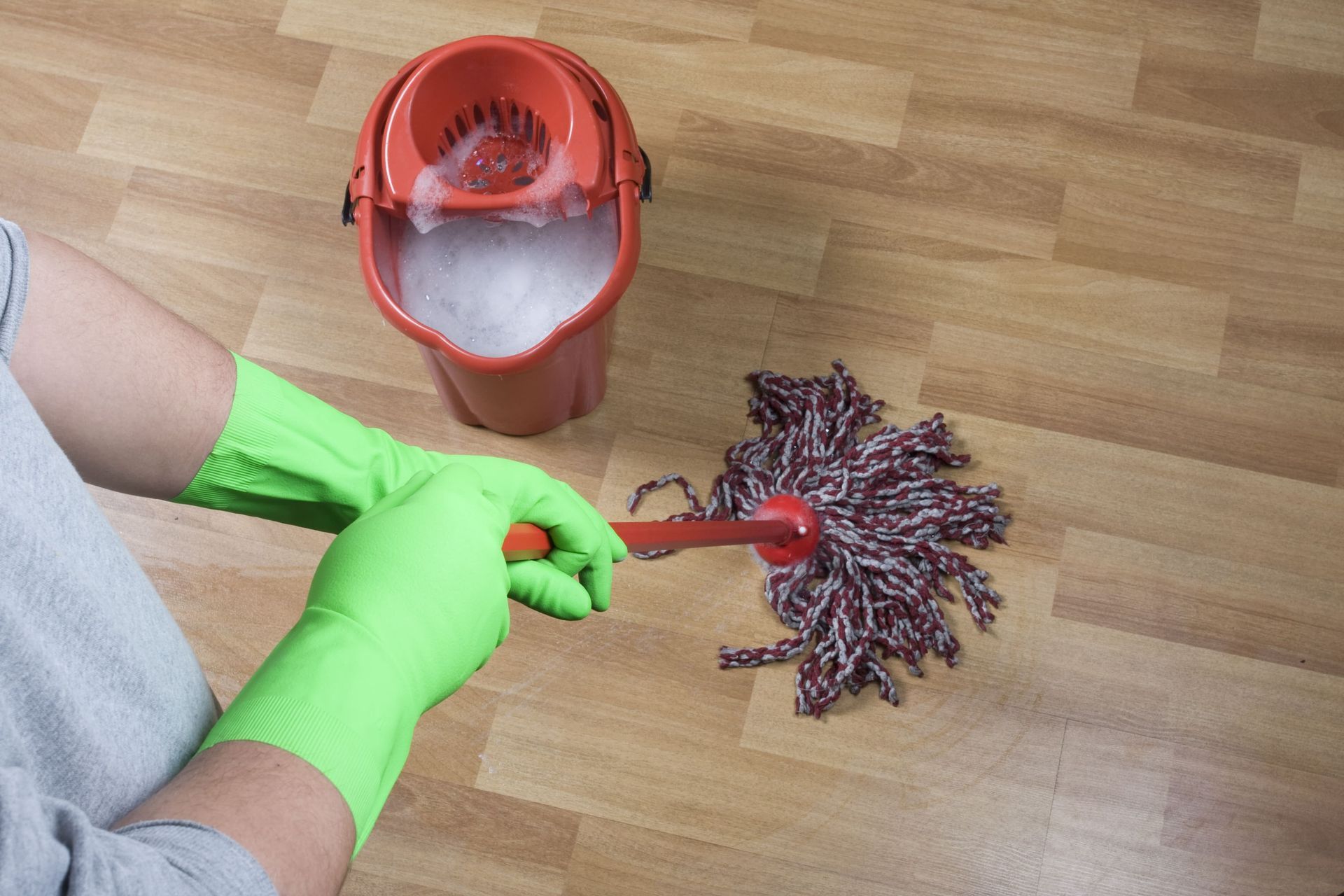
Unapproved Practice: Traditional bucket string mops, flooding floors with water.
Purpose: Lifts surface dirt using minimal, controlled moisture to protect plank click joints.
[ 4-Step Damage-Free LVP Cleaning Sequence ]
1. Soft Vacuum/Sweep Grit ──> 2. Spot-Treat Sticky Spills
│
▼
4. Air-Dry & Check Seams <── 3. Light Damp Pass (pH-Neutral)
1. Pick Up Grit and Hair First
Always sweep or vacuum before introducing moisture. Loose sand and grit dragged under a mop pad act like fine sandpaper across the clear wear layer. Switch off the rotating beater bar on upright vacuums to prevent hard plastic bristles from scratching the floor.
2. Spot-Clean Spills With an Approved Product
For stubborn rubber shoe marks or dried food spots, use a non-destructive approach. Place a damp microfiber cloth over sticky kitchen spills for 30 seconds to soften the residue before wiping it away gently.
3. Clean in Small Sections With Fresh Pads
Working in small 4x4-foot sections, lightly mist your microfiber mop pad (or lightly spray the floor zone) and mop following the directional grain of the planks. Switch microfiber mop pads frequently during the process to ensure you are lifting dirt off the floor rather than smearing muddy liquid across plank seams.
Rinse Only When the Cleaner Requires It
Check your cleaner's label directions. Many modern pH-neutral resilient floor cleaners are formulated as "no-rinse" solutions. If the product requires a rinse, follow up with a second pass using a microfiber pad dampened with plain warm water.
4. Inspect Edges and Dry Remaining Moisture
Keep an eye on board seams, baseboards, and room perimeters where liquid tends to pool. Buff any damp spots dry immediately with a clean microfiber towel.
How to Handle Scuffs, Grease, and Cloudy Residue
If your vinyl floors show stubborn marks or haze, resolve them using this safe troubleshooting table:
Black Rubber Shoe Scuffs
- Safe First Action: Rub gently with a cloth dampened with pH-neutral cleaner.
- Product & Material Check: Avoid harsh organic solvents like paint thinners or acetone.
- Stopping Point / When to Seek Help: Stop if the scuff does not lift; do not scratch the wear layer with a knife.
Cloudy / Hazy Film
- Safe First Action: Mop with plain warm water using a clean microfiber pad.
- Product & Material Check: Check if excess soap or floor polish was previously applied.
- Stopping Point / When to Seek Help: Stop if haze remains; underlying wear-layer dullness cannot be cleaned away.
Greasy Kitchen Splatters
- Safe First Action: Apply a drop of pH-neutral cleaner directly to a damp cloth.
- Product & Material Check: Verify cleaner is safe for resilient vinyl flooring.
- Stopping Point / When to Seek Help: Stop if grease persists; avoid abrasive scouring pads.
Products and Tools That Can Damage Vinyl
Protect your floor investment by avoiding these common cleaning hazards:
- Steam Mops: Unapproved steam injection forces high-temperature heat into plank joints, warping vinyl cores, melting adhesive layers, and causing edge curling. (To understand why heat control matters, read our guide comparing a steam mop versus regular mop).
- Abrasive Scouring Pads: Steel wool, green scouring pads, and harsh scrubbing powders scratch the clear polyurethane coat permanently.
- Ammonia or Bleach Solutions: Undiluted ammonia and bleach strip protective coatings, discolor vinyl design layers, and break down joint sealers.
- Solvent-Based Spot Treatments: Acetone and harsh industrial degreasers melt vinyl wear layers permanently.
Prevent Dirt Without Trapping Moisture
Establish simple protective habits to keep your vinyl plank floors looking pristine:
- Place Entryway Doormats: Position breathable doormats at all exterior entrances to trap dirt and moisture before it hits your floors.
- Check Mat Backings: Avoid rubber-backed or latex-backed mats, as certain chemical compounds in rubber can permanently stain vinyl flooring over time.
- Attach Protective Felts: Fasten felt floor protectors to the bottom of heavy furniture legs to prevent indentation marks.
When Dullness or Stains Need Flooring Advice
It is essential to distinguish cleanable surface film from permanent wear. If high-traffic pathways look permanently dull or discolored despite thorough, residue-free cleaning, the clear wear layer has experienced micro-abrasion from years of foot traffic. Cleaning cannot restore worn-through wear layers; severely worn flooring requires professional evaluation or replacement.
Plan Recurring Care for Mixed-Floor Homes
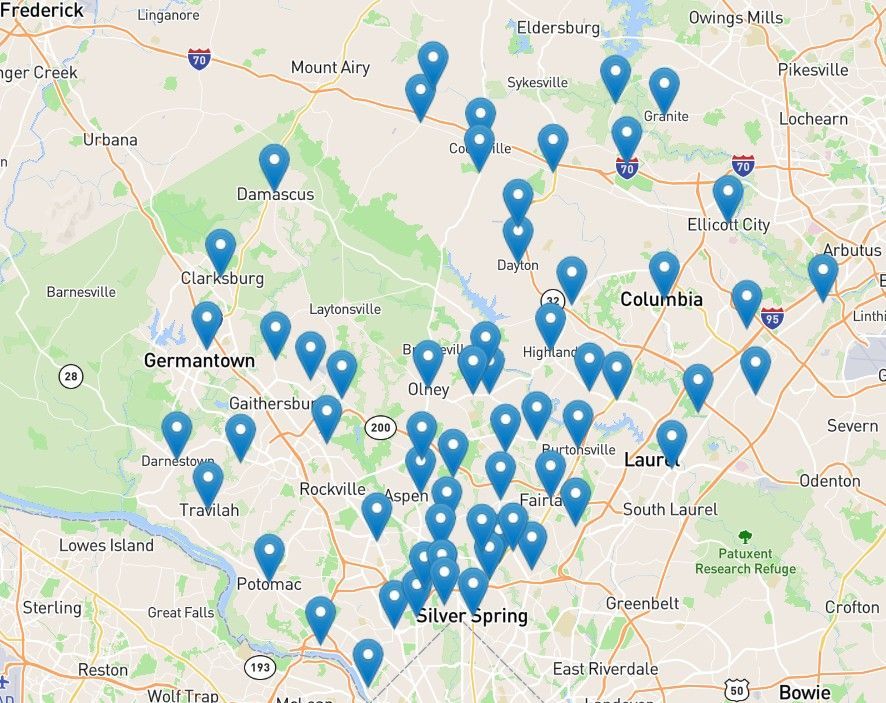
Maintaining spotless LVP, LVT, and mixed-surface flooring across busy Maryland homes takes consistent effort. Star Maids Cleaning Solutions provides trusted, professional housekeeping services for homeowners throughout Montgomery and Howard County.
Please note that while our professional team delivers expert floor sweeping, vacuuming, and low-moisture surface mopping using safe pH-neutral cleaners, our standard residential scope focuses on routine housekeeping—we do not offer floor repairs, plank replacement, or wear-layer refinishing.
Looking for dependable housekeeping support tailored to your home's unique surfaces? Contact Star Maids Cleaning Solutions today to learn more about our recurring cleaning for your floors, share your flooring brand or care guide with our team, and request your free personalized estimate!
Frequently Asked Questions
Can you steam-clean vinyl plank flooring?
Not unless your specific flooring manufacturer explicitly approves steam mops in their written warranty documentation. Most LVP makers strictly forbid steam mops because high-temperature steam forces moisture into plank seams, warps the vinyl core, and melts underlying adhesives.
Why does vinyl plank flooring look dull after mopping?
Vinyl plank flooring usually looks dull because of a buildup of unrinsed soap residue from over-applying cleaning formula, using unapproved "shine-enhancing" floor polishes, or mopping with a dirty pad that spreads grime across the surface.
Can you use vinegar on LVP flooring?
No universal approval exists. While some DIY guides suggest diluted white vinegar, certain manufacturers expressly discourage acidic solutions because frequent use can dull protective wear layers and degrade edge sealants over time. Always check your manufacturer's care guidelines first.
Should luxury vinyl floors be waxed?
No. Modern luxury vinyl plank floors are manufactured with a durable polyurethane wear coat that does not require wax or topical polish. Applying traditional floor wax creates a soft, sticky film that yellows over time and attracts dirt.
How do you clean vinyl planks without leaving a film?
To prevent film buildup, use the correct measured amount of a pH-neutral resilient floor cleaner, mist the mop pad rather than flooding the floor, change dirty microfiber pads frequently, and rinse if the product label requires it.