
How to Clean Laminate Floors Without Streaks or Damage?
Laminate flooring provides the warm, natural look of hardwood paired with exceptional daily durability, but keeping it spotless requires specific care techniques. Constructed with a high-density fiberboard (HDF) core topped with a high-resolution photographic image and a clear protective wear layer, laminate withstands heavy foot traffic, but its composite core is highly vulnerable to standing liquid. Learning how to clean laminate floors safely means using controlled, low-moisture methods to prevent water from seeping into plank seams, which causes permanent swelling, warping, and edge delamination.
While proper floor care protects your living spaces, selecting the right cleaning equipment for your entire home requires comparing different tools. For guidance on picking surface-safe sweepers, review our guide comparing a vacuum versus broom for hard floors.
What Is the Safest Way to Clean Laminate Floors?
The safest way to clean laminate floors is to sweep or vacuum away loose grit using a hard-floor attachment, spot-clean sticky spots with a barely damp microfiber cloth, light-mist a manufacturer-approved, pH-neutral laminate cleaner onto a clean microfiber pad (never spraying liquid directly onto the floor), wipe along the directional grain of the planks, and dry any damp areas immediately.
Identify Your Laminate Product Before Cleaning
Before choosing a cleaning product or method, verify your specific flooring product. Not all laminate floors are manufactured with identical resin coatings or joint-sealing protections.
Standard vs Water-Resistant Laminate
Many modern laminate lines feature advanced edge-sealing technologies or water-resistant HDF cores (such as Pergo or Shaw laminate lines). However, marketing labels like "water-resistant" or "splash-proof" protect against minor topical spills that are wiped up quickly—they do not authorize wet mopping, flooding the floor with a bucket, or using high-heat steam appliances.
Read the Care Guide and Warranty
Always check the exact care and warranty instructions provided by your flooring manufacturer (refer to Pergo's official floor care guidelines or Shaw's laminate care instructions). Manufacturer guidelines take precedence over generic online cleaning hacks and protect your product warranty.
Tools and Products That Match Laminate
Using incorrect tools or harsh chemical formulas can dull the clear protective wear layer or leave an unsightly, sticky film. Compare options against this compatibility checklist:
Dry Debris Removal
- Approved Laminate Care Items: Microfiber dust mop, canister vacuum with hard-floor brush setting.
- High-Risk / Unapproved Items: Upright vacuums with spinning beater brush bars, corn brooms.
- Why Choice Matters: Soft tools lift abrasive grit without scratching the clear wear coat; beater bars gouge the finish.
Mopping Equipment
- Approved Laminate Care Items: Flat spray mop with washable microfiber pads.
- High-Risk / Unapproved Items: String mops, sponge mops, traditional water buckets.
- Why Choice Matters: Flat mops allow precise, low-moisture misting; traditional buckets slosh standing water onto seams.
Cleaning Formulas
- Approved Laminate Care Items: pH-neutral laminate-specific cleaner (e.g., Bona® or Shaw R2X®).
- High-Risk / Unapproved Items: Oil soaps, floor wax, pine oil cleaners, ammonia, vinegar.
- Why Choice Matters: Approved cleaners dry streak-free without depositing cloudy soap residue or stripping clear coats.
Step-by-Step Laminate Floor Cleaning
Follow this structured, low-moisture sequence for streak-free laminate floors:
[ 4-Step Controlled-Moisture Laminate Cleaning ]
1. Vacuum/Sweep Loose Grit ──> 2. Spot-Clean Sticky Spills
│
▼
4. Dry Inspection & Buff <── 3. Light-Mist Microfiber Pass
1. Remove Grit With a Floor-Safe Attachment
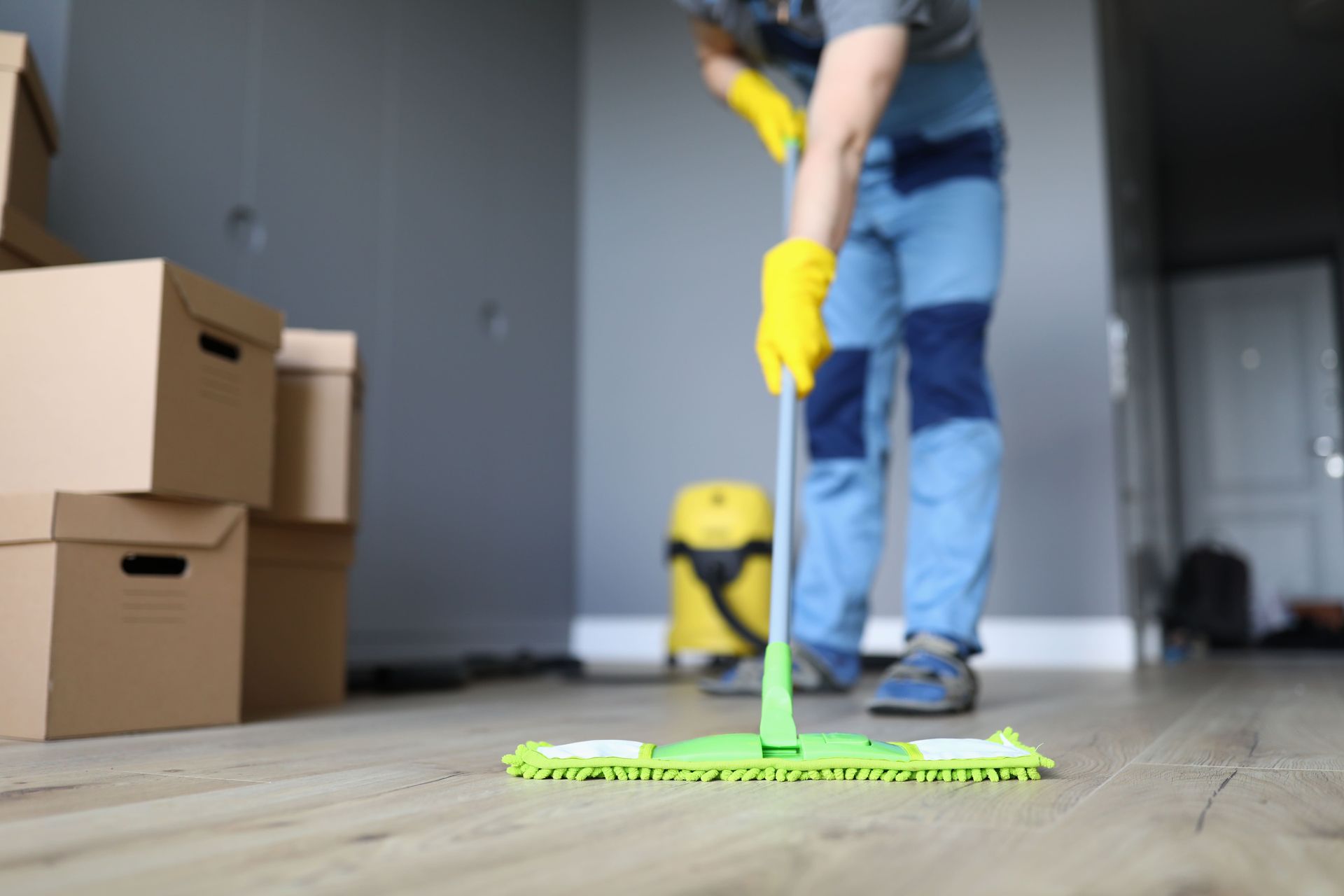
Thoroughly vacuum or dust-mop the room before introducing any moisture. Set your vacuum to "hard-floor mode" to switch off the rotating brush roll. Removing loose sand and grit prevents abrasive particles from scratching the wear layer when the mop pad glides over them.
2. Spot-Clean Spills Before Mopping
Address sticky food splatters or mud tracked in from busy Montgomery and Howard County entryways immediately. Lightly mist a microfiber cloth with an approved cleaner and press it over the spot for 10 seconds to soften the mess before wiping it away gently.
3. Use the Amount of Moisture the Product Allows
Working in manageable 4x4-foot sections, lightly mist your microfiber mop pad—or apply a very fine mist directly to the floor—and mop following the directional grain of the laminate planks. Keep moisture away from baseboard edges and thresholds where liquid pools easily.
Do Not Assume Steam Is Approved
Many homeowners wonder whether to use thermal steam cleaners on hard surfaces. To understand why high-heat appliances require extreme caution, review our detailed comparison on steam mop versus regular mop. Never use a steam mop on laminate unless your specific product warranty explicitly permits it in writing; high-temperature steam forces moisture past plank joints, swelling the HDF core.
4. Change Dirty Pads and Remove Residue
If your microfiber pad becomes visibly soiled, swap it out for a clean pad. Mop pads can only hold a limited amount of suspended dirt before they begin smearing muddy water and dissolved soap across the floor, leaving a hazy, streaky film as the moisture evaporates.
What to Do About Streaks, Sticky Film, or Swelling
If your laminate floor looks hazy or feels tacky after cleaning, evaluate these common issues:
- Cloudy Streaks: Usually caused by using too much cleaning solution or failing to rinse a dirty mop pad. Buff the dry floor with a clean, dry microfiber towel.
- Sticky Residue: Caused by soap-based cleaners or oil soaps. Flush the area with a barely damp microfiber pad using plain warm water.
- Plank Swelling or Separation: If plank edges appear raised, peaked, or gapped, stop wet cleaning immediately. Swelling indicates moisture has entered the composite core. Cleaning cannot repair structural water damage; damaged planks must be inspected and replaced by a flooring professional.
Laminate Cleaning Mistakes to Avoid
Protect your laminate floors by avoiding these common maintenance errors:
- Flooding the Floor: Using a soaking-wet mop or bucket introduces excess liquid into vulnerable click-lock plank seams.
- Using Abrasive Scrubbers: Steel wool, green scouring pads, and harsh scrubbing powders scratch the protective wear coat permanently.
- Applying Waxes or Polishes: Laminate has a non-porous finish that does not absorb wax. Applying "shine-restoring" polishes creates a gummy film that attracts dirt.
- Treating Laminate Like Solid Wood: Hardwood can be sanded and refinished; laminate cannot. Treat laminate with strict moisture caution.
A Simple Maintenance Schedule for Busy Rooms
Maintain your laminate floors between thorough cleanings with simple daily habits:
- Daily Sweep: Quick dust-moping in high-traffic kitchens and entryways prevents abrasive grit buildup.
- Immediate Spill Care: Keep a microfiber cloth handy to dry up pet water splashes or kitchen spills instantly.
Ask About Surface-Safe Recurring Floor Cleaning
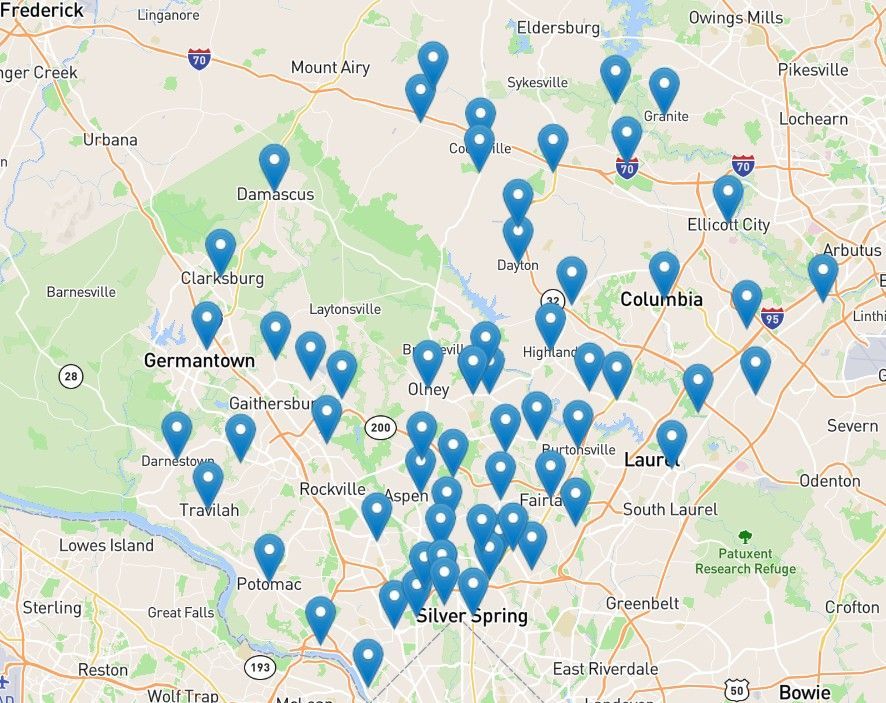
Keeping laminate floors across busy family homes sparkling clean takes consistent effort. Star Maids Cleaning Solutions provides trusted, professional housekeeping services for homeowners across Montgomery and Howard County, Maryland.
Please note that while our professional cleaning teams deliver meticulous surface wiping, sweeping, and low-moisture floor care using safe, pH-neutral formulas, our standard residential scope focuses on general home maintenance—we do not offer floor repairs, plank replacement, or structural water-damage remediation.
Looking for dependable support to keep your living spaces fresh and welcoming? Contact Star Maids Cleaning Solutions today to learn more about our recurring floor cleaning services and request your free personalized estimate!
Frequently Asked Questions
Can you use a steam mop on laminate flooring?
Only if your specific flooring manufacturer explicitly approves steam mops in their written warranty documentation. For most laminate products, steam mops are strictly forbidden because high-temperature steam forces moisture into plank seams, causing the fiberboard core to swell and buckle.
Is vinegar safe for every laminate floor?
No. While DIY guides often suggest diluted white vinegar, acidic solutions are not universally approved by flooring makers. Frequent use of acid can dull the protective clear coat and degrade edge sealants on certain laminate products. Always check your manufacturer's care guide.
Why is my laminate floor sticky after cleaning?
Sticky laminate floors are usually caused by a buildup of unrinsed soap residue from over-applying cleaning formula, using unapproved oil soaps, or mopping with a saturated pad that redeposits dissolved dirt across the room.
How do you clean laminate without leaving streaks?
To prevent streaks, use a manufacturer-approved pH-neutral laminate cleaner, measure the product carefully according to label instructions, mist the pad rather than flooding the floor, and change dirty microfiber pads frequently.
Can cleaning fix swollen laminate edges?
No. Swollen or buckled plank edges indicate that moisture has penetrated the HDF core, causing the wood fibers to expand permanently. Cleaning cannot reverse structural water damage; the affected planks must be evaluated and replaced by a flooring professional.