
How to Clean a Garbage Disposal and Remove Odors Safely?
A garbage disposal makes quick work of meal prep cleanup, but over time, food particles, starches, and organic grease accumulate under the rubber splash guard and along the inner grinding chamber. Left unchecked, trapped food waste decomposes, creating foul, sulfurous odors that waft up through the kitchen sink. Learning how to clean a garbage disposal safely requires strictly isolating electrical power before touching any components, cleaning accessible parts like the rubber splash guard (baffle), running model-approved freshening cycles, and knowing when a foul smell signals a plumbing or drainage issue rather than a surface cleaning task.
While cleaning your disposal maintains a fresh kitchen smell, keeping the rest of your workstation hygienic requires managing the surrounding basin. For complete sink care, review our guide on how to clean a kitchen sink. Additionally, lingering kitchen odors can sometimes originate from nearby wet appliances; if you notice stale smells across your beverage or wash areas, consult our dishwasher cleaning and odor troubleshooting guide.
What Is the Safest Way to Clean a Garbage Disposal?
The safest way to clean a garbage disposal is to disconnect electrical power (unplug the unit or switch off the dedicated circuit breaker), lift out and hand-wash any removable rubber splash guard, scrub accessible sink flange surfaces with mild dish soap and a sponge, run cold water while operating the disposal according to manufacturer instructions, and never place hands or fingers inside the grinding chamber under any circumstances.
Find Where the Odor Is Coming From
Not every unpleasant sink odor originates from inside the garbage disposal motor housing. Use this troubleshooting table to locate the true source of the smell before applying cleaning solutions:
Sour / Putrid Odor Around Sink Flange
- Likely Underlying Cause: Food residue, grease, and mold trapped underneath the rubber splash guard.
- Recommended Action: Unplug disposal, remove baffle (if design permits), and wash thoroughly with soapy water.
Persistent Damp / Mildew Smell
- Likely Underlying Cause: Sludge buildup along the upper inner wall of the disposal grinding chamber.
- Recommended Action: Scrub accessible upper chamber walls with a long-handled brush while power is off.
Sewer-Gas Smell Rising Up Drain
- Likely Underlying Cause: Dry P-trap, blocked sink vent pipe, or organic slime in drain lines.
- Recommended Action: Run water to fill P-trap; contact a licensed plumber if venting or line blockages persist.
Musty Odor Mixed With Slow Drainage
- Likely Underlying Cause: Clogged grease trap, partially blocked slip joint, or connected dishwasher hose issue.
- Recommended Action: Check dishwasher air gap/drain loop; call a plumbing professional for drainage service.
Food Residue Under the Splash Guard
The rubber or silicone flap at the top of your drain (the splash guard or baffle) is the number-one culprit for trapped garbage disposal odors. Because food particles splash upward during operation, bits of pulp, fat, and vegetable matter lodge tightly inside the rubber folds.
- Removable Baffle Design: Some modern disposals feature a removable rubber baffle that lifts straight up out of the sink flange for easy handwashing.
- Fixed Baffle Design: Never force or cut a non-removable, fixed rubber baffle out of the sink flange. Clean fixed baffles in place using a soapy sponge and an old toothbrush.
Odors That Need a Plumber or Appliance Technician
Surface cleaning will not resolve underlying mechanical or plumbing faults. If a foul odor is accompanied by slow drainage, standing water in the sink basin, visible water leaks under the sink cabinet, or unusual buzzing and humming sounds, stop using the disposal immediately. These symptoms indicate a plumbing clog, a failed P-trap, or an internal motor jam that requires a licensed plumber or appliance technician—not a cleaning solution.
Step-by-Step Disposal Cleaning
Follow this conservative, safety-first procedure to clean accessible parts of your garbage disposal:
[ Safe Garbage Disposal Cleaning Process ]
1. Disconnect Power (Unplug / Breaker Off)
│
▼
2. Remove & Hand-Wash Splash Guard (Baffle)
│
▼
3. Scrub Sink Flange & Accessible Upper Chamber
│
▼
4. Reassemble & Run Cold Water Freshening Cycle
1. Disconnect Power Before Hands-On Work
Never rely solely on turning off the wall switch when cleaning a disposal. Unplug the unit from the wall outlet under the sink cabinet. If the disposal is hardwired directly, switch off the dedicated circuit breaker in your electrical panel.
Critical Safety Rule: Never put your hands, fingers, or tools into the garbage disposal grinding chamber. Modern disposals feature high-speed metal impellers that can cause severe injury even when the unit is unplugged if tension is released.
2. Clean a Removable Baffle Only as Instructed
If your manufacturer's manual (such as InSinkErator's official disposal care guide) confirms that your splash guard is removable, pull it gently upward out of the sink drain opening.
- Wash the rubber piece in warm, soapy water, using a sponge or brush to clear out food slime tucked inside the slits.
- Rinse thoroughly and set aside.
3. Wipe the Sink Flange and Surrounding Surface
Using a nonabrasive sponge and mild dish soap, scrub the stainless steel or composite sink flange where the drain meets the basin. Rinse away all soap residue with clean water.
4. Use the Manufacturer's Freshening Procedure
Once power is restored (plug the unit back in or turn the breaker on), follow the manufacturer's recommended operational freshening procedure:
- Turn on the cold water faucet to a steady, moderate stream.
- Turn on the garbage disposal wall switch.
- Allow cold water to run through the operating disposal for 30 to 60 seconds to flush out loosened particles and cool the motor.
Ice Does Not Sharpen Disposal Blades
Dispelling a Common Myth: Many DIY guides claim that dropping trays of ice cubes into a running disposal "sharpens the blades." According to major manufacturers (such as InSinkErator's support documentation), garbage disposals do not actually use sharp cutting blades—they use blunt rotating impellers (lugs) that crush and grind food against a stationary grind ring. While dropping a few ice cubes down the drain can help dislodge clinging soft food sludge, ice does not sharpen metal components. Furthermore, avoid stuffing large citrus peels or hard fruit pits into the unit, as oversized fibrous waste jams impellers and strains the motor.
Avoid These Drain-Cleaning Shortcuts
Protect your plumbing fixtures and disposal mechanics by avoiding these high-risk shortcuts:
- Never Mix Drain Chemicals: Pouring commercial lye-based or acid-based liquid drain openers into a garbage disposal is extremely dangerous. Splashes can cause chemical burns, and harsh chemicals corrode internal metal seals.
- Do Not Dismantle Plumbing Unless Qualified: Do not attempt to unbolt the mounting assembly or disconnect P-trap pipes unless you are prepared to handle wastewater leaks and proper re-sealing.
How to Keep the Disposal Fresher Between Cleanings
Prevent food waste buildup with simple daily operational habits:
- Always Run Cold Water: Run cold water before turning on the disposal, while food is grinding, and for 15 seconds after turning it off. Cold water solidifies grease so the disposal can chop and wash it away, whereas hot water melts fats, allowing them to coat internal walls and re-solidify further down the drain pipe.
- Feed Food Waste Gradually: Feed scraps into the running disposal in small batches rather than cramming the sink opening full of potato peelings, coffee grounds, or melon rinds.
- Run Regularly: Operate the disposal frequently—even when you have no waste—to prevent rust and corrosion from forming on internal moving parts.
When Routine Kitchen Cleaning Is Not Enough
While routine housekeeping covers exterior surface wiping, sink scrubbing, and splash guard maintenance, mechanical failures require specialized intervention. If your disposal continues to emit sour odors caused by internal motor failure, leaking seals, or blocked drainage lines, appliance and plumbing support is necessary.
Keep the Kitchen Around the Sink Clean
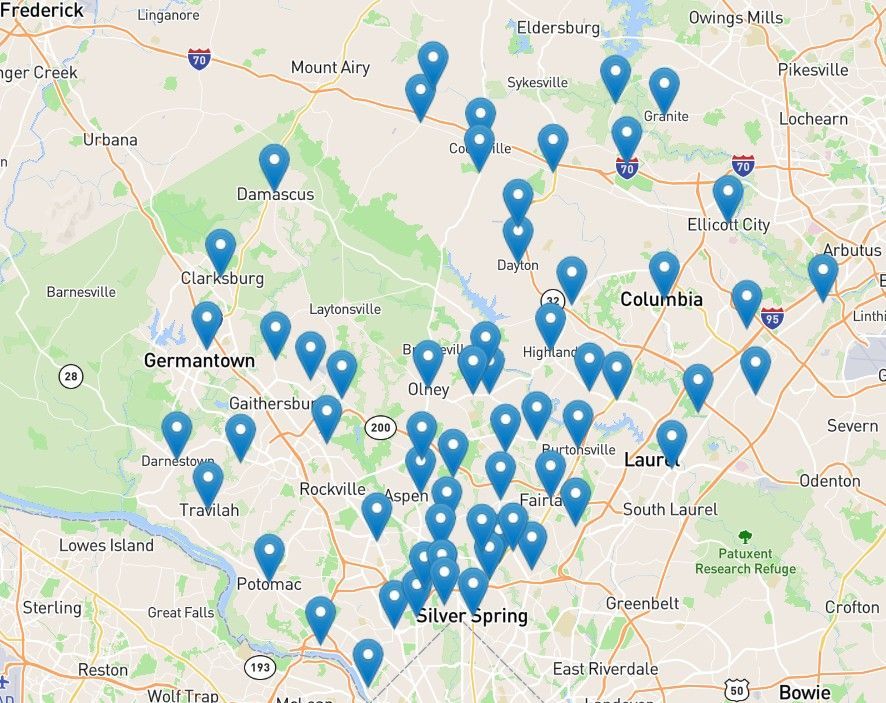
Keeping your entire kitchen workstation—from stainless steel sinks and garbage disposal flanges to surrounding countertops, backsplashes, and floors—clean and sanitized takes consistent effort. Star Maids Cleaning Solutions provides trusted, professional housekeeping services for homeowners across Montgomery and Howard County, Maryland.
Please note that while our professional cleaning teams provide meticulous surface wiping, sink sanitization, and kitchen maintenance, our standard residential scope focuses on general home care—we do not offer plumbing repairs, electrical servicing, drain snaking, or garbage disposal mechanical maintenance.
Looking for dependable support to keep your kitchen spotless and welcoming? Contact Star Maids Cleaning Solutions today to learn more about our professional residential cleaning services and request your free personalized quote!
Frequently Asked Questions
Why does my disposal smell even after I clean the sink?
Persistent odors usually stem from hidden organic food slime trapped inside the folds of the rubber splash guard (baffle) or accumulated along the upper inner walls of the grinding chamber where regular sink cleaning sponges cannot reach. Unplug the unit, remove the baffle for thorough handwashing, and scrub the upper chamber walls.
Can I put my hand inside a garbage disposal to clean it?
No. Never put your hand or fingers inside a garbage disposal grinding chamber. Always disconnect electrical power (unplug the unit or switch off the breaker) and use a long-handled brush or sponge to clean accessible upper surfaces.
Do ice cubes sharpen garbage disposal blades?
No. Garbage disposals do not have sharp cutting blades; they use blunt rotating metal impellers that crush food against a stationary grind ring. While tossing a few ice cubes into the running disposal can help scrub away soft food sludge, ice does not sharpen the metal components.
Can I use drain cleaner in my disposal?
No. Avoid pouring harsh commercial chemical drain cleaners into a garbage disposal. Chemical drain openers can splash back during use, causing severe skin burns, and corrosive formulas will damage internal metal impellers and rubber seals.
When should I call a plumber about disposal odors?
Call a plumber if persistent sink odors are accompanied by slow drainage, standing water in the sink basin, recurring clogs, or visible water leaks around the mounting assembly underneath your sink cabinet.