
How to Clean a Shower Curtain and Liner Safely?
Shower curtains and liners are exposed to constant humidity, warm steam, and daily splashes, making them prime targets for soap scum, hard-water mineral film, and pink or black mildew growth along the lower edges. Learning how to clean a shower curtain safely depends entirely on checking the care label and matching your cleaning method to the material—distinguishing between machine-washable fabric curtains and delicate plastic or vinyl liners that melt under high heat.
While keeping your shower barriers fresh enhances your daily routine, maintaining a spotless bath involves managing multiple surfaces. For guidance on organizing your overall room maintenance schedule, explore our guide on how often to clean your bathroom.
What Is the Best Way to Clean a Shower Curtain?
The safest way to clean a shower curtain is to inspect the manufacturer's care label, separate the decorative outer fabric curtain from the inner plastic or vinyl liner, wash fabric items on a gentle cycle using mild detergent, wipe down or hand-wash plastic liners in warm soapy water, and always air-dry plastic and vinyl liners rather than placing them in an automatic clothes dryer.
Fabric Curtain vs Plastic or Vinyl Liner
Never assume a decorative fabric shower curtain and an inner protective liner can be cleaned the same way. Compare material requirements against this cleaning decision table:
Decorative Outer Curtain
- Typical Material Composition: Cotton, polyester blends, linen, or waffle-weave fabric.
- Machine Washable? - Yes (Check label)
- Approved Wash & Spin Settings: Gentle or delicate cycle; cool or warm water; low spin.
- Drying Method: Tumble dry low or hang immediately to release wrinkles.
- What to Avoid: High-heat drying (causes shrinkage), harsh chlorine bleach on colored fabrics.
Plastic / Vinyl Liner
- Typical Material Composition: PEVA, EVA, PVC plastic film, or lightweight vinyl.
- Machine Washable? - Varies (Check label)
- Approved Wash & Spin Settings: Gentle cycle with towels only if permitted; otherwise, hand-wash.
- Drying Method: Air-dry only.Hang back on shower rod.
- What to Avoid: Tumble drying (melts plastic), hot water cycles, harsh industrial solvents.
Decorative Outer Curtains
Decorative outer curtains add texture and color to the bathroom. Because they hang outside the tub or stay relatively dry compared to the inner barrier, they generally require less frequent washing and can usually be laundered right alongside standard household linens.
Plastic, Vinyl, and Specialty Liners
Inner liners form the waterproof barrier keeping water inside the tub. Plastic and vinyl materials are highly sensitive to thermal heat. Subjecting a plastic liner to hot wash water or a heated dryer cycle will warp the material, cause permanent creases, or melt the plastic film entirely.
How to Wash a Machine-Washable Shower Curtain
Before washing your fabric curtains or machine-safe liners, ensure your laundry drum is clean by reviewing our guide on how to clean a washing machine. Follow this numbered checklist:
[ 4-Step Curtain Laundering Sequence ]
1. Remove Rings & Inspect Seams ──> 2. Select Label-Approved Cycle
(Gentle / Mild Detergent)
│
▼
4. Hang Immediately to Dry <── 3. Extra Rinse / Low Spin
1. Remove Rings and Check for Tears
Take the curtain down from the shower rod and slide off all plastic or metal shower rings. Wash compatible plastic rings in a basin of warm soapy water. Inspect the curtain heading, buttonholes, and grommets for rips or weakened fabric before putting it in the machine.
2. Select the Label-Approved Cycle
Place the shower curtain (and any machine-safe plastic liner) into your washing machine.
- Add a small amount of mild liquid laundry detergent.
- Set the machine to a gentle or delicate cycle using cool or warm water.
- Never Mix Cleaning Chemicals: Never pour chlorine bleach into a washing machine drum that contains or has recently contained vinegar, ammonia, or other acidic cleaners. Mixing bleach with acids creates toxic chlorine gas.
3. Hang or Dry According to the Material
Remove the items promptly at the end of the wash cycle to prevent deep wrinkles from setting in.
- For Fabric Curtains: Tumble dry on low heat for a few minutes, or hang them directly back on the shower rod while slightly damp so gravity pulls out wrinkles naturally.
- For Plastic or Vinyl Liners: Never tumble dry. Hang plastic liners immediately back up on the shower rod inside the tub to air-dry completely.
How to Clean a Liner Without a Washing Machine
If your plastic or vinyl liner's care label forbids machine washing, or if you want to tackle lower-edge soap scum without unhanging the entire setup, use a gentle hand-cleaning method:
- Leave the Liner Hanging: Keep the liner secured on the shower rod stretched fully across the tub.
- Apply Mild Cleaner: Spray a mild, nonabrasive bathroom cleaner or a mixture of warm water and liquid dish soap onto a soft sponge or microfiber cloth.
- Wipe Down Surfaces: Wipe both sides of the liner, paying special attention to folds and hem pockets where moisture lingers.
- Rinse Thoroughly: Pour clean warm water over the liner using a handheld showerhead or a pitcher to flush away soap film. Leave the bathroom exhaust fan running to aid air-drying.
Focus on the Lower Edge and Folds
The bottom 6 inches of a shower liner accumulate the heaviest concentration of pink residue (bacteria), soap scum, and hard-water crust. Support the lower hem with one hand while wiping gently with a soft sponge. Avoid aggressive scrubbing with wire pads or stiff nylon brushes, which tear thin plastic films.
When Replacement Makes More Sense
Plastic and vinyl shower liners are inexpensive consumable items. If your liner shows signs of stiff plastic cracking, torn grommets, mold staining embedded deep within the plastic folds that will not lift, or permanent material deterioration, it is time to replace the liner rather than spending hours trying to scrub it clean.
How Often Should You Clean Curtains and Liners?
Adapt your cleaning schedule based on bathroom humidity and household use:
- Monthly: Wipe down the lower edge of the plastic liner with soapy water to prevent soap scum buildup.
- Every 2 to 3 Months: Wash fabric shower curtains and deep-clean or replace plastic liners.
- Daily Habit: Spread the shower curtain and liner completely open across the tub after every shower so air circulates freely between the folds, allowing surfaces to dry rapidly. (Note: While spreading curtains helps them dry, cleaning alone cannot fix a broken or inadequate bathroom ventilation fan).
Keep the Entire Bathroom Easier To Maintain
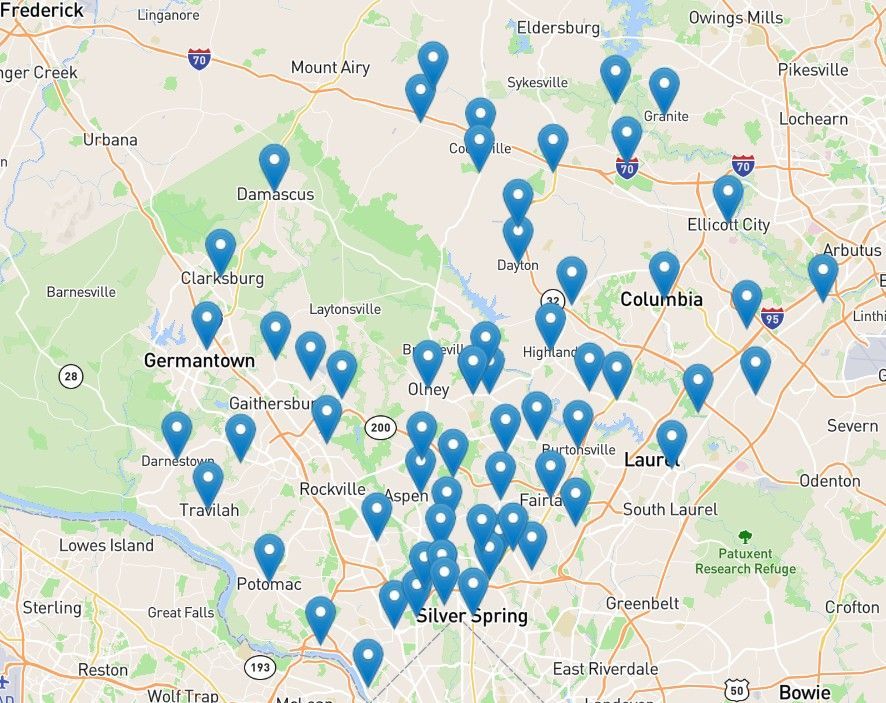
Maintaining clean shower curtains, gleaming fixtures, and fresh bathroom surfaces takes consistent attention. Star Maids Cleaning Solutions provides trusted, professional housekeeping services for homeowners across Montgomery and Howard County, Maryland.
Please note that while our professional teams deliver meticulous surface cleaning, dust removal, and room housekeeping, specialized laundry tasks—such as washing personal shower curtains, laundering linens, or scrubbing delicate textiles—are not automatically included in our standard residential cleaning scope.
Looking for dependable support to keep your living spaces fresh and welcoming? Contact Star Maids Cleaning Solutions today to learn more about our recurring bathroom cleaning services and request your free personalized estimate!
Frequently Asked Questions
Can you put a plastic shower liner in the washer?
Only if its manufacturer's care label explicitly permits machine washing. If permitted, wash it on a gentle cycle in cool water, often alongside a few white towels for padding, and never use a heated dryer cycle.
Can a shower curtain go in the dryer?
It depends on the material. Woven fabric outer curtains can typically be tumbled on low heat or air-fluff settings. Plastic, vinyl, and PEVA liners must never go in the dryer, as heat will warp and melt the plastic.
Can you clean a shower curtain without taking it down?
Yes. You can wipe down soap scum and surface spots on a hanging plastic liner using a damp sponge and mild dish soap while it remains on the shower rod, provided you rinse it thoroughly with clean water afterward.
How often should a shower liner be cleaned?
Liners should be wiped down monthly to prevent soap scum and mildew accumulation, and deep-cleaned or replaced every 2 to 3 months depending on bathroom humidity and ventilation conditions.
Should I use bleach and vinegar to remove curtain stains?
No. Never mix bleach and vinegar (or other acids). Combining bleach with acidic cleaners produces dangerous, toxic chlorine gas. Choose one single compatible cleaning product and follow its label instructions carefully.