
How to Clean an Air Fryer Without Damaging It?
Air fryers have quickly become an essential countertop appliance in modern kitchens, offering a fast way to cook crisp family meals with minimal oil. However, as rendered fats, marinades, and breadcrumbs circulate under high heat, stubborn grease layers and baked-on food residues accumulate inside the basket, crisper plate, and interior heating chamber. Cleaning an air fryer safely requires protecting nonstick coatings and internal heating components from harsh abrasives, wire tools, and moisture intrusion.
While this guide focuses on proper countertop air fryer care, maintaining a clean kitchen involves managing multiple appliances safely. For helpful tips on keeping other cooking surfaces pristine, explore our guides on how to clean an oven and learning how to clean a microwave and remove food odors fast.
What Is the Safest Way to Clean an Air Fryer?
The safest way to clean an air fryer is to unplug the unit, allow it to cool completely, wash approved removable parts (such as the basket and crisper tray) in warm water using mild liquid dish soap and a nonabrasive sponge, wipe down the interior walls and heating element with a damp microfiber cloth, and dry all components thoroughly before reassembling. Never submerge the main electrical housing in water or scrape nonstick surfaces with metal tools.
Identify the Parts and Check the Owner's Manual
Before applying water or cleaning solutions, consult your specific model's owner's manual. Air fryer components differ in material composition, coating sensitivity, and washable eligibility:
Pull-Out Basket
- Typical Material & Construction: Metal drawer with nonstick or ceramic coating.
- Cleaning Eligibility: Removable & Washable
- Approved Care Method: Hand-wash with warm water, mild dish soap, and a soft sponge.
- What to Avoid: Metal scouring pads, wire brushes, abrasive powders, steel wool.
Crisper Plate / Tray
- Typical Material & Construction: Perforated metal plate with rubber bumpers & nonstick coat.
- Cleaning Eligibility: Removable & Washable
- Approved Care Method: Soak briefly in warm soapy water; wipe gently with a microfiber cloth.
- What to Avoid: Scrubbing rubber bumpers off; scraping nonstick mesh with sharp tools.
Main Exterior Housing
- Typical Material & Construction: Plastic or stainless steel casing with digital controls.
- Cleaning Eligibility: Non-Removable (Wipe Only)
- Approved Care Method: Wipe exterior panels with a slightly damp, soft microfiber cloth.
- What to Avoid: Submerging in water, spraying water directly onto digital screens.
Interior Cavity & Heating Area
- Typical Material & Construction: Metal interior walls, fan, and upper heating element coil.
- Cleaning Eligibility: Non-Removable (Wipe Only)
- Approved Care Method: Wipe with a damp cloth; use a soft nylon brush on cool heating coils.
- What to Avoid: Caustic oven cleaners, aerosol sprays, saturating fan assembly.
Nonstick Baskets and Crisper Plates
Most air fryer baskets and crisper plates feature a nonstick polymer or ceramic coating designed to release food easily. According to manufacturer care guidelines (such as Philips' air fryer cleaning instructions), using steel wool, abrasive scouring pads, or harsh chemical degreasers will scratch or peel this protective finish. Once nonstick coatings chip, food bonds directly to bare metal, making future cleanup significantly harder.
Heating Elements, Fans, and Electrical Housing
The main body of an air fryer houses electrical wiring, fan blowers, and high-wattage heating coils. Never submerge the appliance housing in water or pour liquids into the main cavity. Restrict care in this area strictly to wiping accessible interior metal surfaces with a well-wrung, damp cloth once the unit is completely cool.
How to Clean an Air Fryer Step by Step
Follow this safe, numbered procedure after preparing meals to keep your air fryer operating efficiently:
[ Safe Air Fryer Cleaning Sequence ]
1. Unplug & Allow Complete Cooling
│
▼
2. Dispose of Loose Oil & Crumbs
│
▼
3. Hand-Wash Removable Parts (Warm Soapy Water)
│
▼
4. Wipe Interior Cavity & Heating Coil (Damp Cloth)
│
▼
5. Dry Completely Before Reassembly & Storage
1. Unplug, Cool, and Remove Loose Crumbs
Disconnect the air fryer from the wall outlet as soon as cooking is finished. Allow the appliance to cool for at least 30 minutes. Once cool, remove the basket drawer and tip loose food crumbs or pooled grease into a trash can or grease disposal container. Never pour liquid fats down your kitchen sink drain.
2. Wash Approved Removable Parts
Fill your sink with warm tap water and a few drops of grease-cutting liquid dish soap (such as Dawn®). Submerge the basket and crisper tray.
- Gentle Agitation: Use a soft microfiber cloth or nonabrasive sponge to wash away oil films and food particles.
- Soft Soak: If grease is baked onto the mesh bottom, allow the parts to soak in warm soapy water for 10 to 15 minutes to soften the residue naturally.
- Protect Rubber Bumpers: Leave small silicone or rubber feet attached to crisper plates unless your manual specifies removing them, as they prevent the tray from scratching basket side walls.
When the Basket Is Dishwasher Safe
Check your specific owner's manual before placing parts in an automatic dishwasher. While some manufacturers approve top-rack dishwasher cleaning for specific removable baskets, frequent exposure to high heat and harsh dishwasher detergents can dull or degrade nonstick coatings over time. When in doubt, gentle handwashing remains the safest method.
3. Lift Grease Without Scratching the Coating
For stubborn, polymerized oil spots that remain after soaking, create a paste using equal parts baking soda and warm water. Apply the smooth paste to the spot using a soft sponge, allow it to sit for 5 minutes, and wipe gently in circular motions. Rinse thoroughly with clean water.
Stop Warning: If you notice the nonstick coating is already flaking, chipping, or bubbling off into your basket, stop aggressive rubbing. Chipped nonstick coatings cannot be repaired, and damaged baskets should be replaced per manufacturer guidance.
4. Wipe the Interior and Dry Before Reassembly
Turn the unplugged, cooled appliance upside down or on its side to inspect the upper heating element and fan:
- Dampen a soft microfiber cloth with warm water (wrung out until barely damp).
- Carefully wipe away oil splatters along interior metal walls and around the heating coil.
- If food particles are stuck to the heating element, gently dislodge them using a soft-bristled nylon brush.
- Dry the interior, basket, and crisper plate completely with a clean towel before sliding the drawer back into the unit.
What to Do About Persistent Odors or Smoke
If your air fryer produces smoke or emits sour, stale smells during operation, investigate these primary causes:
White Smoke During Cooking
- Likely Cause: High-fat foods (bacon, sausage) dripping onto the hot basket floor.
- Recommended Action: Place 1–2 tablespoons of water or a slice of bread under the crisper plate to catch fat.
Black Smoke or Acrid Burning Odor
- Likely Cause: Food debris stuck directly against the upper heating element coil.
- Recommended Action: Unplug, cool completely, turn upside down, and gently brush food off the coil.
Stale, Rancid Cooking Smell
- Likely Cause: Accumulated oil film hidden behind the fan or in basket crevices.
- Recommended Action: Hand-wash basket with a baking soda paste rinse; wipe internal walls with damp cloth.
Burning Electrical or Plastic Smell
- Likely Cause: Faulty internal wiring, melted component, or mechanical blower failure.
- Recommended Action: Stop using immediately. Unplug the unit and contact manufacturer customer support.
Skip Viral Water-Boiling and Cleaning Hacks
Internet video trends often suggest filling an air fryer basket with water and liquid dish soap, then turning the appliance on to "boil" itself clean. Avoid this practice. Running an air fryer filled with soapy liquid causes turbulent foam to splash into internal fan blowers and electrical wiring, posing a severe risk of electrical short circuits, appliance damage, and voiding your product warranty.
A Simple After-Use and Periodic Care Checklist
Adjust your maintenance routine based on daily cooking habits:
- After Every Use:
- Empty loose crumbs and dispose of pooled drippings.
- Hand-wash the removable basket and crisper tray with warm, soapy water.
- Wipe down outer handle touchpoints.
- Every 3 to 5 Uses (or Monthly):
- Unplug and invert the cooled unit to inspect the upper heating element coil.
- Wipe down internal metal walls with a damp microfiber cloth.
- Wipe the main exterior housing and cord with a soft towel.
Keep the Rest of Your Kitchen Easier to Maintain
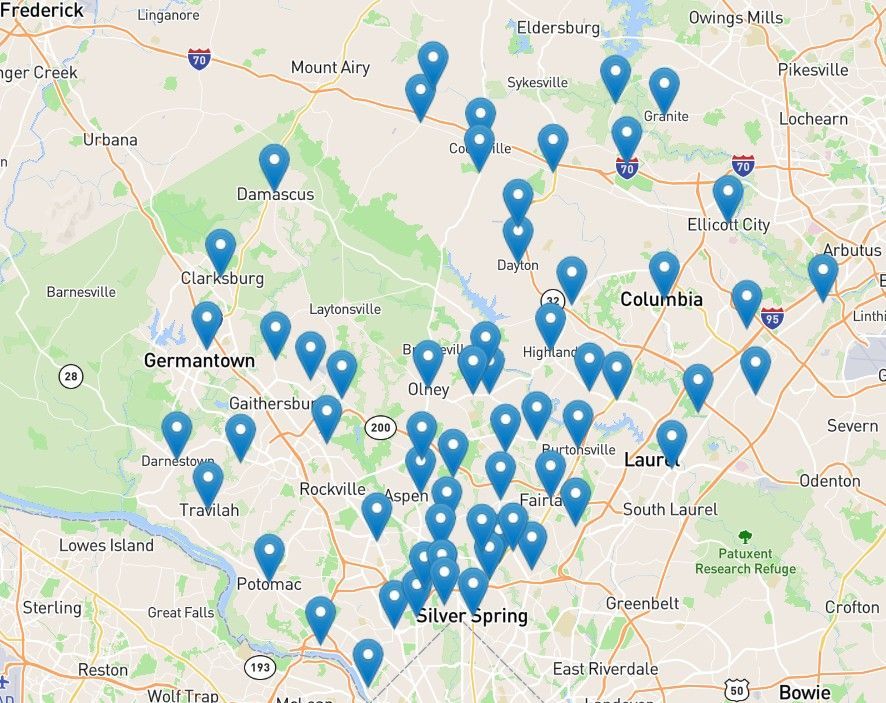
Keeping an entire kitchen spotless—from countertops, sinks, and stovetops to cabinet faces and floor tiles—requires time, consistency, and attention to detail. Star Maids Cleaning Solutions provides trusted, high-quality housekeeping for homeowners across Montgomery and Howard County, including communities like Rockville, Olney, and Bethesda.
Please note that while our professional cleaning teams provide meticulous surface care, room sanitization, and exterior appliance wiping, our standard residential scope focuses on general home maintenance. Specific small-appliance interior detailing (such as air fryer disassembly or internal component scrubbing) is not included in standard service schedules and should be discussed during service arrangement.
Looking for reliable support to keep your living spaces fresh and welcoming? Contact Star Maids Cleaning Solutions today to learn more about our professional kitchen and residential cleaning services and request your free written quote!
Frequently Asked Questions
Can air fryer baskets go in the dishwasher?
Only if your specific model's owner's manual explicitly permits it. While certain manufacturers state that their removable baskets are top-rack dishwasher safe, frequent exposure to high heat and abrasive automatic dishwasher detergents can wear down nonstick coatings over time. Handwashing with warm, soapy water is always recommended for longevity.
How do you remove baked-on grease from an air fryer?
Soak the removable basket or crisper tray in warm water mixed with a grease-cutting liquid dish soap for 15 minutes. For stubborn spots, apply a gentle paste made of baking soda and water, let it sit for 5 minutes, and wipe with a soft microfiber cloth or nonabrasive sponge.
Can you use oven cleaner in an air fryer?
No. Never use commercial aerosol oven cleaners inside an air fryer. Oven cleaners contain harsh caustic chemicals (such as sodium hydroxide) engineered for heavy oven enamel, which will permanently strip, pit, and dissolve the delicate nonstick coatings and aluminum components of an air fryer.
Why does my air fryer still smell after cleaning?
Persistent odors usually stem from invisible oil film trapped in basket seams or food splatters baked onto the upper heating element coil and fan assembly. Unplug the cooled unit, turn it upside down, and carefully wipe around the upper interior heating area with a damp cloth.
How often should you clean an air fryer?
Removable parts (basket and crisper plate) should be washed after every single use to prevent food residue and oil from burning during subsequent meals. The interior cavity and heating element should be inspected and wiped down every few uses or whenever smoke occurs.