
How to Clean Quartz Countertops Without Damaging Them?
Engineered quartz countertops combine natural quartz minerals with durable polymer resins, creating a nonporous, low-maintenance surface that resists staining without ever needing to be sealed. However, everyday cooking splatters, sticky spills, and hard-water rings can still accumulate across the kitchen workspace. Learning how to clean quartz countertops safely means using mild, pH-neutral soap or manufacturer-approved cleaners, soft microfiber cloths, and gentle techniques. Using harsh acids, abrasive scouring pads, or unapproved chemical solvents can permanently dull the resin binders and ruin the countertop's factory finish.
While maintaining a pristine quartz surface keeps your meal prep area hygienic, keeping the entire kitchen looking its best involves caring for adjacent vertical spaces. For guidance on maintaining surrounding walls, review our guide on cleaning backsplash tile and grout.
What Is the Best Way to Clean Quartz Countertops?
The best way to clean quartz countertops is to wipe away loose food debris with a soft cloth, apply a small amount of mild dish soap mixed with warm water (or an approved quartz cleaner), wipe the surface gently in circular motions, remove any soap residue with a clean damp cloth, and buff the countertop completely dry to prevent water spots.
Confirm That the Surface Is Engineered Quartz
Before introducing any cleaning product, verify that your countertops are indeed manufactured from engineered quartz rather than natural stone.
- Engineered Quartz: Composed of about 90 to 95 percent ground natural quartz bound together with hard polymer resins, resulting in a nonporous surface that never requires sealing.
- Natural Stone (Granite / Quartzite): Natural geological slabs that are porous and require periodic chemical sealing to prevent staining.
Why Brand and Finish Matter
Different quartz manufacturers (such as Cambria, Caesarstone, or Silestone) use proprietary resin formulations and offer different surface textures, including high-gloss, matte, or textured leather finishes. A cleaning product or polish approved for one brand's polished line is not automatically suitable for another brand's honed or matte finish. Always consult the specific manufacturer's care guidelines (refer to Cambria's official quartz product care guide).
Daily Quartz Countertop Cleaning
Follow this short, structured procedure for daily cleaning after family meals and cooking prep:
[ 4-Step Daily Quartz Cleaning Sequence ]
1. Clear Crumbs & Loose Debris ──> 2. Apply Mild Soap & Warm Water
│
▼
4. Buff Dry With Microfiber <── 3. Rinse Soap Film With Damp Cloth
1. Remove Loose Food Before Wiping
Before wiping down your counters, use a dry cloth or soft brush to sweep away loose crumbs, coffee grounds, and food grit. Dragging hard particles across the surface under a damp cloth can cause fine micro-abrasions in the resin binder.
2. Use Mild, Approved Cleaning
Mix a few drops of mild liquid dish soap into a bowl of warm water. Dip a soft microfiber cloth into the soapy solution, wring it out so it is damp, and wipe down the countertop.
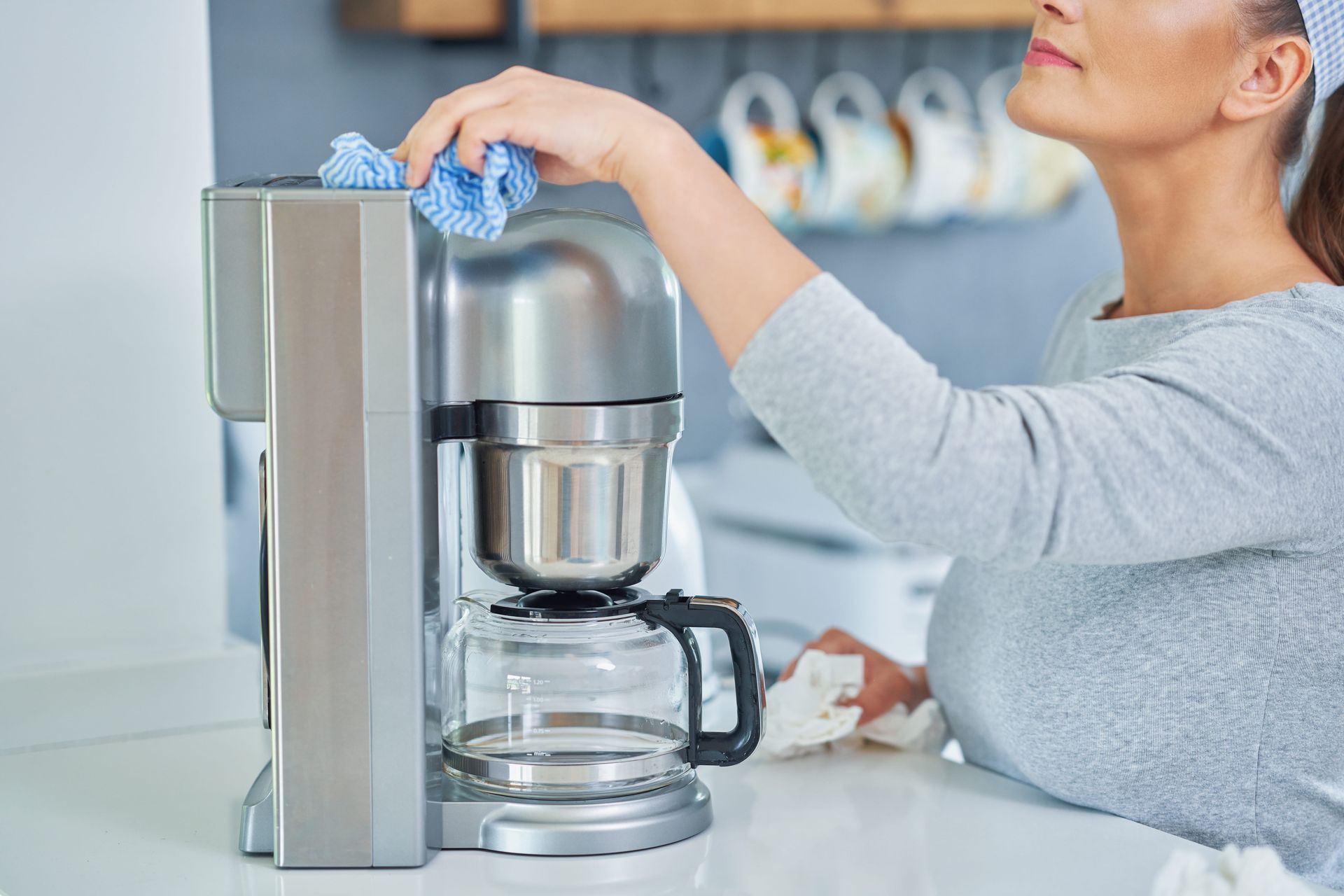
When selecting drying tools, choosing the right textile makes a noticeable difference in streak control; to understand how cloth choices affect surface finishes, explore our guide on microfiber cloths versus paper towels.
3. Remove Soap Residue and Dry the Surface
Never leave soapy water to air-dry on quartz. Residual soap film dries into a cloudy, smeared haze that catches fingerprints and dust. Rinse the surface using a second cloth dampened with plain warm water, then buff the entire countertop dry with a clean, dry microfiber towel.
What Do About Stuck-On Food and Stains
If you encounter dried-on food splatters, sticky jam, or grease, manage them using this conservative stain-trie table:
Dried Food / Starch Crusts
- Safe First Action Steps: Lay a warm, damp cloth over the spot for 5 minutes to soften the residue.
- Product & Material Check: Never use metal razor blades, putty knives, or steel wool.
- Stopping Point / When to Stop: Stop scraping if the crust does not soften; use a flat plastic scraper gently.
Greasy Cooking Splatters
- Safe First Action Steps: Wipe with a cloth dampened with warm water and a drop of dish soap.
- Product & Material Check: Avoid heavy commercial degreasers unless manufacturer-approved.
- Stopping Point / When to Stop: Stop if grease persists; do not scrub with abrasive green scouring pads.
Coffee or Tea Rings
- Safe First Action Steps: Apply a mild quartz cleaner or baking soda paste; let sit 1 minute; wipe.
- Product & Material Check: Avoid harsh chlorine bleach or undiluted vinegar solutions.
- Stopping Point / When to Stop: Stop if the stain resists gentle wiping; do not etch the resin with acid.
Cloudy Cleaner Haze
- Safe First Action Steps: Buff the area firmly with a clean, dry microfiber cloth.
- Product & Material Check: Check whether excess soap or unapproved polish was used.
- Stopping Point / When to Stop: Stop if haze remains; permanent resin dullness cannot be cleaned away.
Let the Correct Cleaner Work Instead of Scraping Hard
If sticky spills resist a damp cloth, apply a mild, approved surface cleaner or a smooth paste made from baking soda and water directly to the spot. Allow it to sit for 2 to 3 minutes to break down the organic bond before wiping gently with a soft sponge. Never use sharp metal knives or abrasive scrapers, which will gouge the resin surface.
When a Mark May Be Surface Damage
If a discoloration or dull spot remains after gentle cleaning and degreasing, examine it closely. Chemical burns from harsh drain cleaners, permanent marker stains, or physical heat scorching represent actual damage to the polymer resins. Stop aggressive treatment—scrubbing a damaged resin spot will only widen the dull area.
Can You Disinfect Quartz Countertops?
Routine cleaning removes daily grease and food residue, but sanitization requires additional steps. If you need to disinfect your quartz countertops against bacteria or viruses, you must verify both countertop compatibility and disinfectant label instructions:
- Check the Countertop Manual: Ensure your manufacturer permits the specific active disinfecting ingredient (such as stabilized hydrogen peroxide or quaternary ammonium compounds).
- Read the Disinfectant Label: Follow the product's exact instructions regarding wet-contact time (how long the surface must remain visibly wet) and food-contact rinse requirements. Many disinfectants require a thorough potable water rinse after the required dwell time elapses before food can touch the counter again.
What Not to Use on Quartz
Protect your investment by avoiding these high-risk cleaning hazards:
- Harsh Acids: Undiluted vinegar, lemon juice, lime juice, and muriatic acid will etch and dull the resin binders in engineered quartz.
- Solvent-Based Chemicals: Paint strippers, furniture strippers, oven cleaners, and nail polish removers containing acetone or methylene chloride melt and permanently dissolve quartz resins.
- Abrasive Cleaners: Scouring powders, steel wool, and abrasive green pads scratch the smooth finish.
- High Heat: Placing hot pans directly from the stove or oven onto quartz can cause thermal shock, scorching the resin or cracking the stone. Always use silicone trivets or hot pads.
Cleaning Is Not Sealing or Refinishing
Unlike natural granite or marble, engineered quartz never needs to be sealed. Because quartz is nonporous, sealing liquids cannot penetrate the surface; instead, they dry into an unsightly, sticky film. Follow manufacturer care instructions and avoid unnecessary sealing products (refer to Cambria's product care FAQ).
A Countertop Habit Checklist for Busy Kitchens
Maintain pristine quartz countertops during busy cooking weeks with simple habits:
- Clear Crumbs Daily: Wipe away food debris to keep work areas hygienic.
- Blot Spills Instantly: Catch wine, coffee, juice, and turmeric spills right away to prevent pigment transfer.
- Use Trivets and Cutting Boards: Always protect your countertops from direct heat and knife blade scratches by using cutting boards and trivets.
Get Help With Routine Kitchen Surface Care
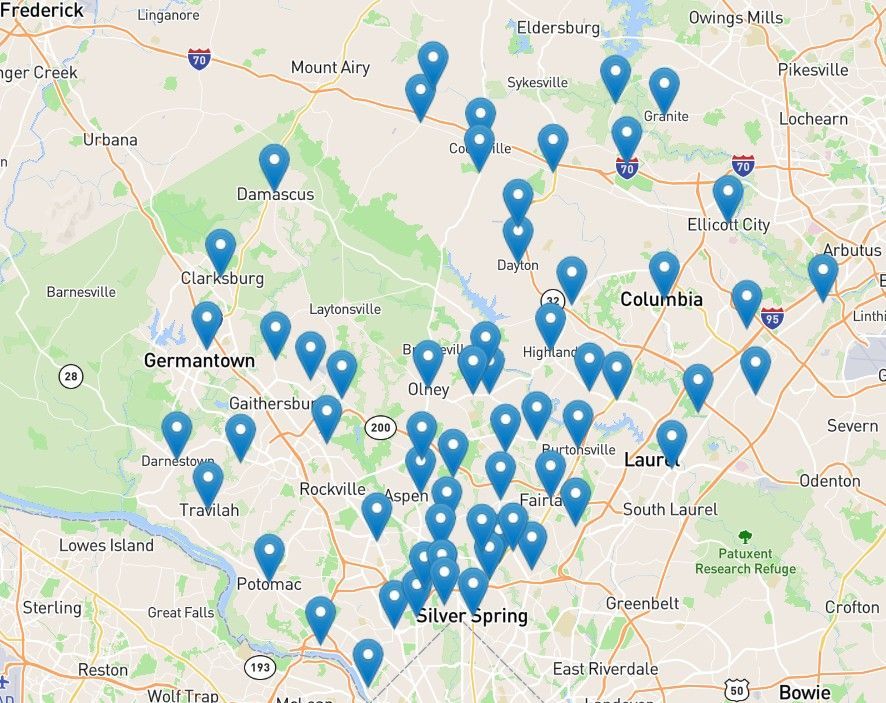
Keeping your entire kitchen—from engineered quartz countertops and backsplash tiles to sinks and floors—spotless and sanitized takes consistent time and effort. Star Maids Cleaning Solutions provides trusted, professional housekeeping services for homeowners across Montgomery and Howard County, Maryland.
Please note that while our professional teams deliver meticulous surface wiping, counter sanitization, and kitchen housekeeping, our standard residential scope focuses on routine home maintenance—we do not offer stone restoration, resin polishing, crack repair, or natural stone sealing services.
Looking for dependable support to keep your living spaces fresh and welcoming? Contact Star Maids Cleaning Solutions today to learn more about our residential kitchen cleaning services, share your countertop brand and care guidelines with our team, and request your free personalized estimate!
Frequently Asked Questions
Can you use vinegar on quartz countertops?
No. You should avoid using vinegar or other acidic cleaners on quartz countertops. The acetic acid in vinegar can dull and etch the polymer resins that bind the quartz minerals together, destroying the surface shine over time.
Can disinfecting wipes be used on quartz?
Only if both your specific quartz manufacturer's guidelines and the disinfectant wipe's product label permit that use. Many standard disinfecting wipes contain harsh chemicals or citrus oils that can leave dull residues or compromise the resin finish if not rinsed properly.
Do quartz countertops need sealing?
No. Engineered quartz countertops are nonporous and manufactured with a dense resin binder, meaning they never require sealing or waxing. Applying stone sealers to quartz is unnecessary and will leave a sticky, hazy film on the surface.
How do you remove cloudy residue from quartz?
Cloudy residue on quartz is typically caused by unrinsed soap film, hard-water mineral deposits, or leftover cleaner. Remove it by wiping the countertop with a clean cloth dampened with warm water and a drop of dish soap, then buffing the surface completely dry with a clean microfiber towel.
Can house cleaning repair quartz scratches or heat damage?
No. Routine house cleaning cannot repair physical scratches, resin burns, or thermal scorching. Because these represent structural damage to the quartz slab, they require specialized professional repair or manufacturer evaluation.