
Steam Mop vs. Regular Mop: Which Is Better for Your Floors?
Choosing the right floor-cleaning tool often feels overwhelming with the sheer variety of options available on the market. From traditional string mops to high-tech steam mops, selecting the wrong tool can lead to warped planks, etched tile, or permanently ruined flooring finishes.
Understanding how different mops interact with your home's specific flooring materials helps you achieve a truly sanitary clean without risking costly surface damage.
Quick answer: the best mop depends on your floor type
When a regular mop is the safer choice
A regular mop—specifically a microfiber spray mop or a well-wring spin mop used with a pH-neutral cleaner—is the safest choice for hardwood, luxury vinyl plank (LVP), and laminate flooring. These floors are highly sensitive to excessive moisture and heat.
When a steam mop may be useful
A steam mop can be a powerful tool for sealed ceramic, porcelain tile, and stone flooring. The combination of high heat and controlled vapor effectively loosens dried grease and sanitizes high-traffic surfaces without requiring harsh chemical cleaning agents.
What is a steam mop?
How steam loosens dirt and residue
A steam mop uses an internal heating element to convert water into high-temperature steam, which is then forced through a microfiber pad directly onto the floor. The intense heat instantly melts greasy kitchen residues, softens dried spills, and lifts stubborn grime.
Why heat and moisture can be risky on some floors
While steam is exceptional for breaking down dirt, it introduces two major hazards to vulnerable flooring: intense thermal heat and pressurized moisture. If applied to wood or laminate, steam forces water vapor straight through micro-cracks and tongue-and-groove joints, causing the core material to swell, buckle, or delaminate.
What is a regular mop?
Spin mops, spray mops, microfiber mops, and string mops
Regular mops rely on manual physical action and liquid solutions rather than electrical heat:
- Microfiber Spray Mops: Feature an onboard reservoir that dispenses a fine mist, paired with a flat microfiber pad that traps dust and oils efficiently.
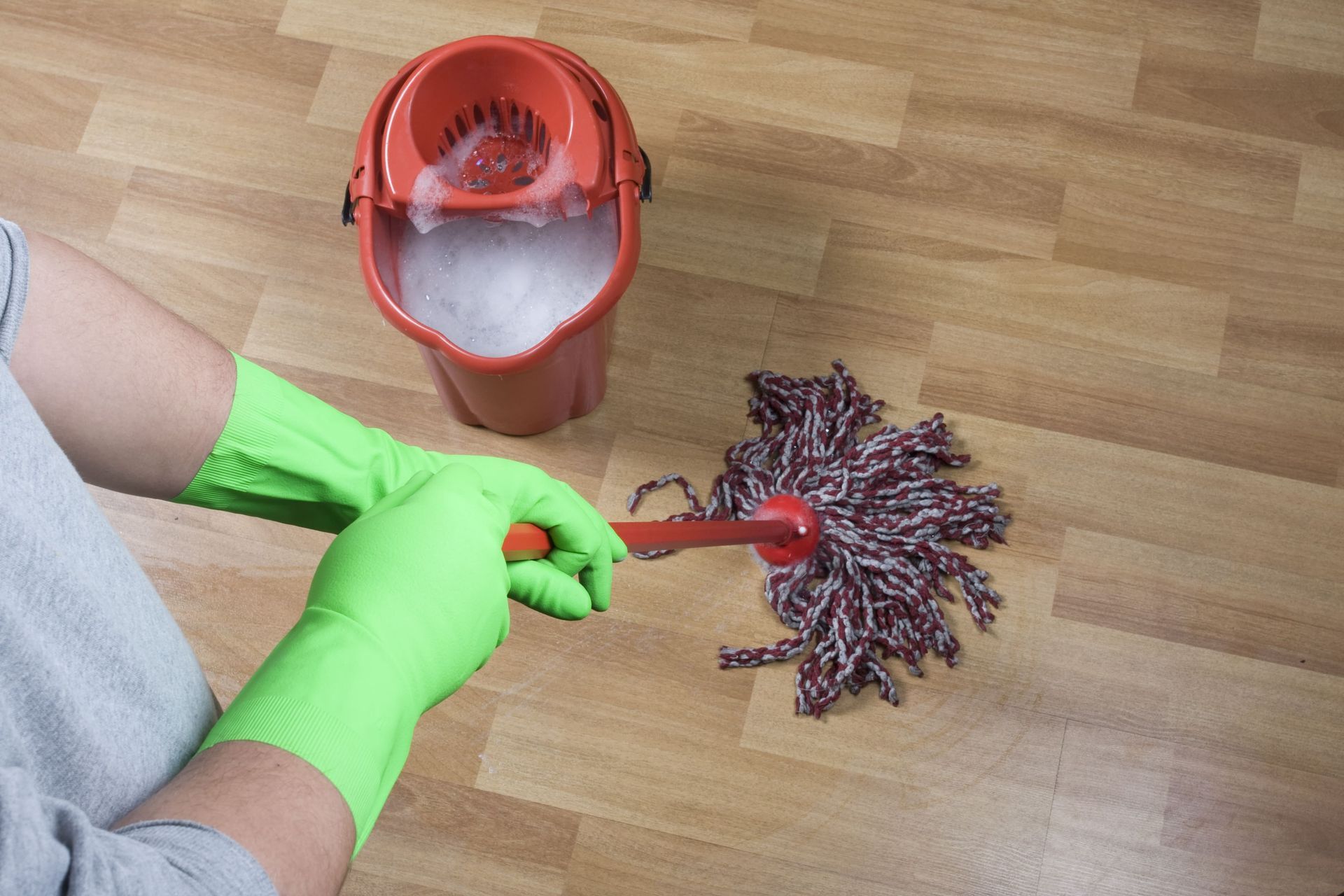
- Spin Mops: Use a foot-pedal or hand-pump bucket system to control how much water is wrung out of the mop head.
- Traditional String Mops: Best suited for rugged, unsealed utility areas, but prone to leaving puddles if not wrung thoroughly.
How water control affects cleaning results
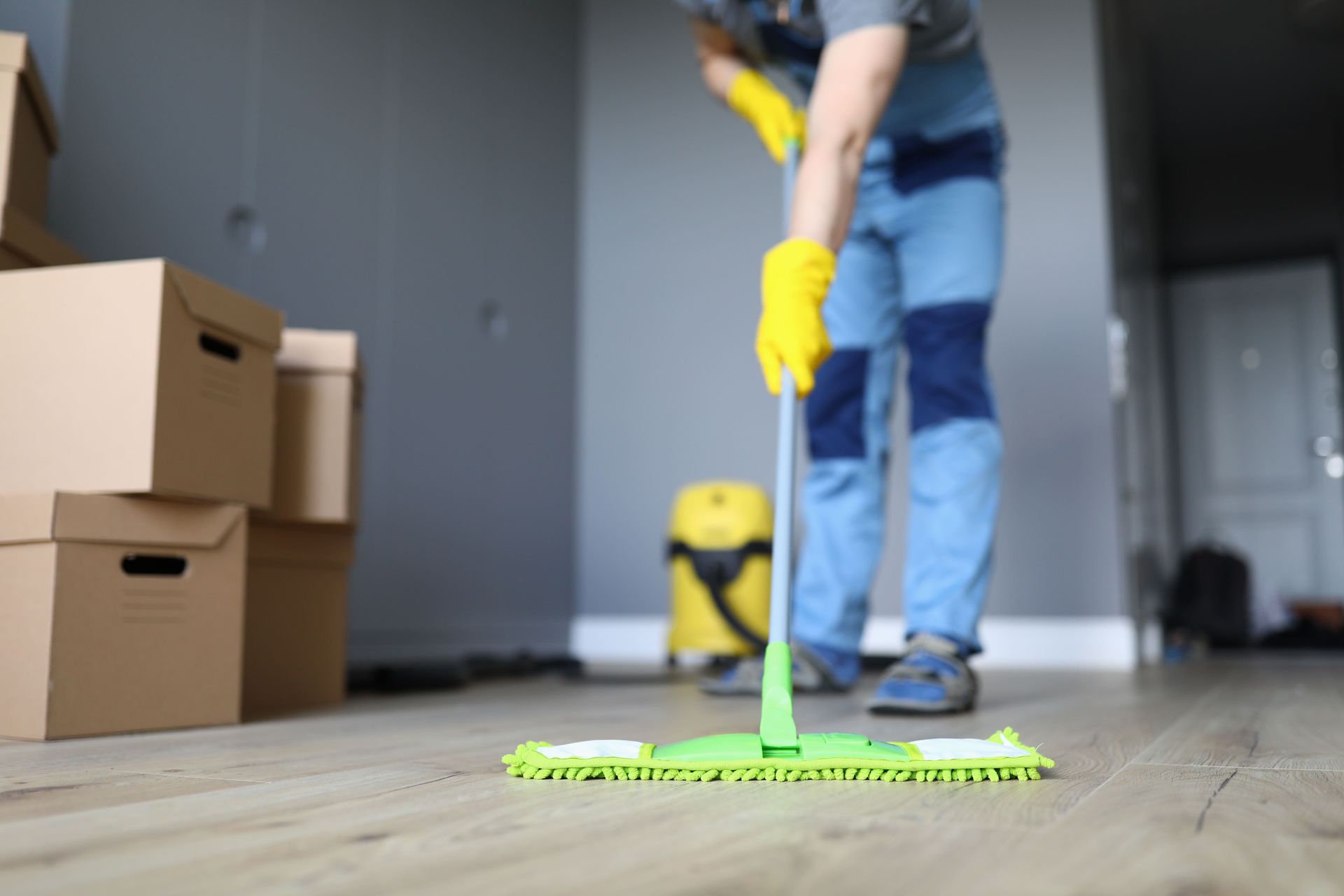
The secret to any regular mop is moisture management. Over-saturation leaves standing puddles that seep into floor seams, while a properly wrung microfiber or spray mop lifts dirt and dries almost instantly.
Steam mop vs. regular mop by floor type
- Hardwood
Safe for Steam Mop?
❌ No (Heat and moisture warp wood)
Recommended Regular Mop
Microfiber spray mop with pH-neutral cleaner
- Tile (Ceramic/Porcelain)
Safe for Steam Mop?
✅ Yes (Great for deep tile sanitization)
Recommended Regular Mop
Spin mop or microfiber flat mop
- Luxury Vinyl Plank (LVP)
Safe for Steam Mop?
❌ No (Can melt adhesives and warp planks)
Recommended Regular Mop
Lightly damp microfiber spray mop
- Laminate
Safe for Steam Mop?
❌ No (Moisture ruins composite fiber cores)
Recommended Regular Mop
Barely damp microfiber mop
- Natural Stone
Safe for Steam Mop?
⚠️ Use Caution (Heat can damage certain sealants)
Recommended Regular Mop
pH-neutral stone cleaner with microfiber pad
Which mop cleans better for daily maintenance?
Dust, light spills, sticky spots, and pet messes
For everyday upkeep—like wiping up paw prints, morning coffee drips, or kitchen dust—a regular microfiber spray mop outperforms a steam mop. It is lightweight, requires zero heating time, and allows you to spot-clean specific areas instantly without dragging out a heavy corded appliance.
Why microfiber often leaves fewer streaks
Microfiber pads feature millions of microscopic fibers that trap dirt, grease, and bacteria mechanically. This reduces reliance on heavy chemical soaps, which are the primary culprits behind cloudy, sticky floor streaks.
Which option is better for deep cleaning?
When steam helps and when scrubbing is still needed
When it comes to deep cleaning high-traffic kitchen tiles or bathroom floors, a steam mop excels at sanitizing and melting stubborn grime. However, heavy grout stains or built-in grease still require manual pre-scrubbing, as steam alone cannot lift deeply embedded discoloration without physical friction.
Common mistakes when using steam or regular mops
Using too much cleaner
Dumping excess soap into your bucket leaves a heavy film on your floors that actually attracts more dirt and footprints over time.
Leaving water behind
Allowing puddles to sit on laminate, vinyl, or hardwood floors will eventually compromise the structural integrity of the planks.
Using steam on floors not approved for heat
Failing to check manufacturer guidelines before running a steam mop over luxury vinyl or engineered wood can instantly void warranties and warp your flooring.
Professional cleaning recommendation
Choosing the right method for each room and surface
Maintaining a home with mixed flooring types requires matching the cleaning technique to the material—using steam sanitation where appropriate, and gentle, pH-neutral microfiber care for delicate wood surfaces. If you want pristine floors without the guesswork, Star Maids Cleaning Solutions delivers expert, surface-safe cleaning tailored to every room in your home.
Ready to enjoy spotless, perfectly protected floors without the effort? Click here to get your custom quote from Star Maids Cleaning Solutions today!
FAQ
Can steam mops damage floors?
Yes. Steam mops can permanently warp hardwood, buckle laminate, melt the adhesives in luxury vinyl plank (LVP) flooring, and dull sensitive natural stone sealants due to high heat and moisture exposure.
Is a steam mop better than a spin mop?
It depends on your flooring. For sealed ceramic tile, a steam mop is superior for deep sanitization. For hardwood, laminate, and vinyl, a spin mop or microfiber spray mop is much safer because it gives you precise control over moisture levels.
What mop is best for hardwood floors?
The best mop for hardwood floors is a flat microfiber mop or a microfiber spray mop used in combination with a specialized, pH-neutral wood cleaner. It minimizes moisture exposure and prevents scratching.
Do steam mops disinfect floors?
Yes. The extreme heat generated by steam mops naturally kills up to 99.9% of household bacteria and dust mites without requiring chemical disinfectants, making them a popular choice for homes with children and pets (on heat-safe floors).