
How to Clean Tile Floors Without Leaving Streaks?
Tile floors are a popular choice for kitchens, bathrooms, and entryways because of their durability and sleek appearance. However, there is nothing more frustrating than spending time scrubbing your floors, only to watch them dry into a hazy, streaky mess. Streaks on tile are usually caused by leftover soap film, dirty mop water, or mineral deposits evaporating on the surface.
Learning the proper technique, tools, and dilution ratios ensures your tile floors dry to a sparkling, crystal-clear finish every single time.
Quick answer: why tile floors look streaky after cleaning
- Too much cleaner: Using extra soap does not make floors cleaner; it leaves a sticky, film-attracting residue.
- Dirty mop water: Moping with water that is already gray and saturated just redistributes dissolved dirt back onto the tile.
- Hard water minerals: High mineral content in tap water can leave cloudy spots as it evaporates.
- Slow drying and product residue: Failing to rinse or buff the floor leaves a chemical film that shows every footprint.
Best tools for cleaning tile floors
Microfiber mop
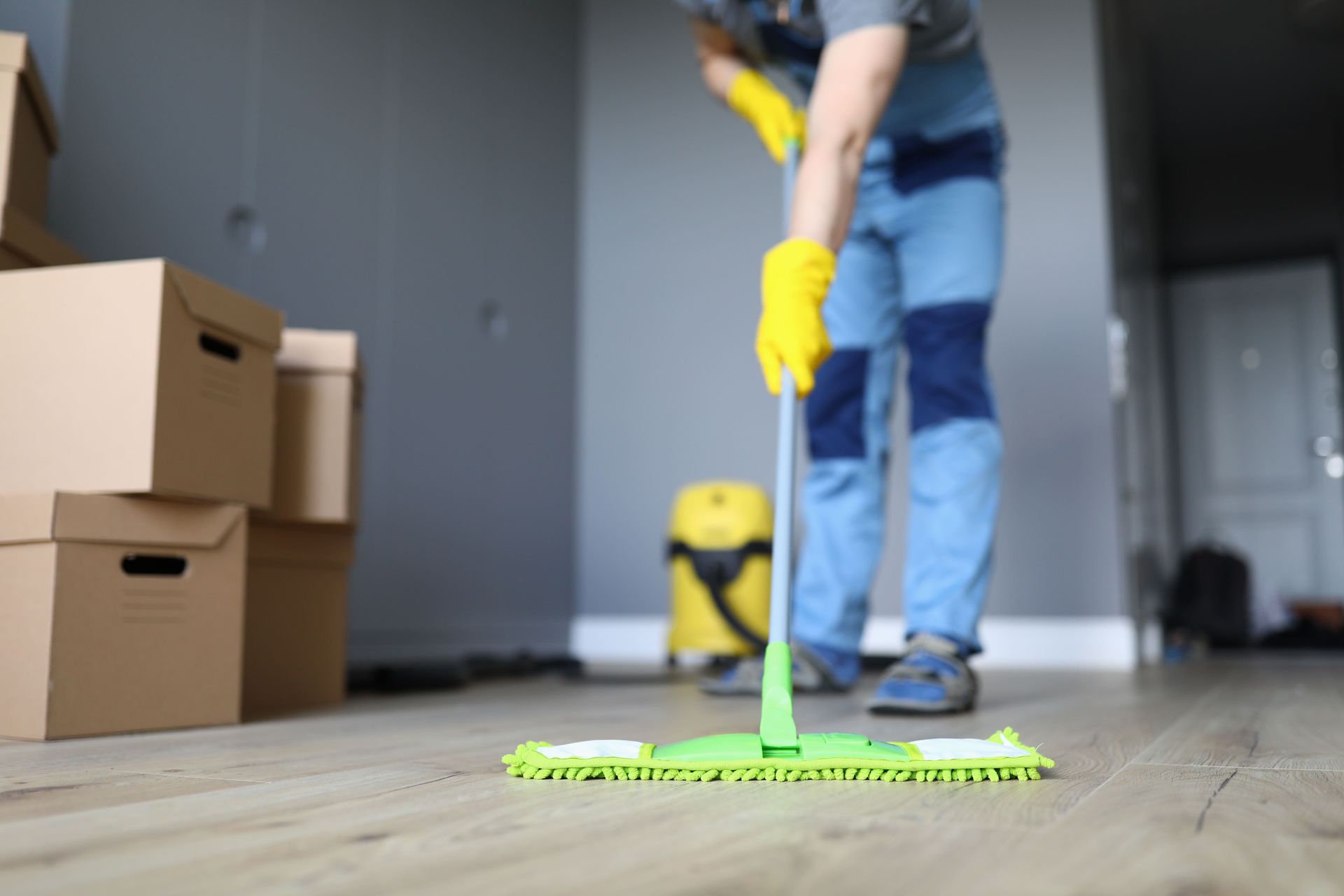
Microfiber pads trap dirt, grease, and micro-particles mechanically rather than pushing them around, making them significantly better at preventing streaks than traditional cotton string mops.
Spin mop
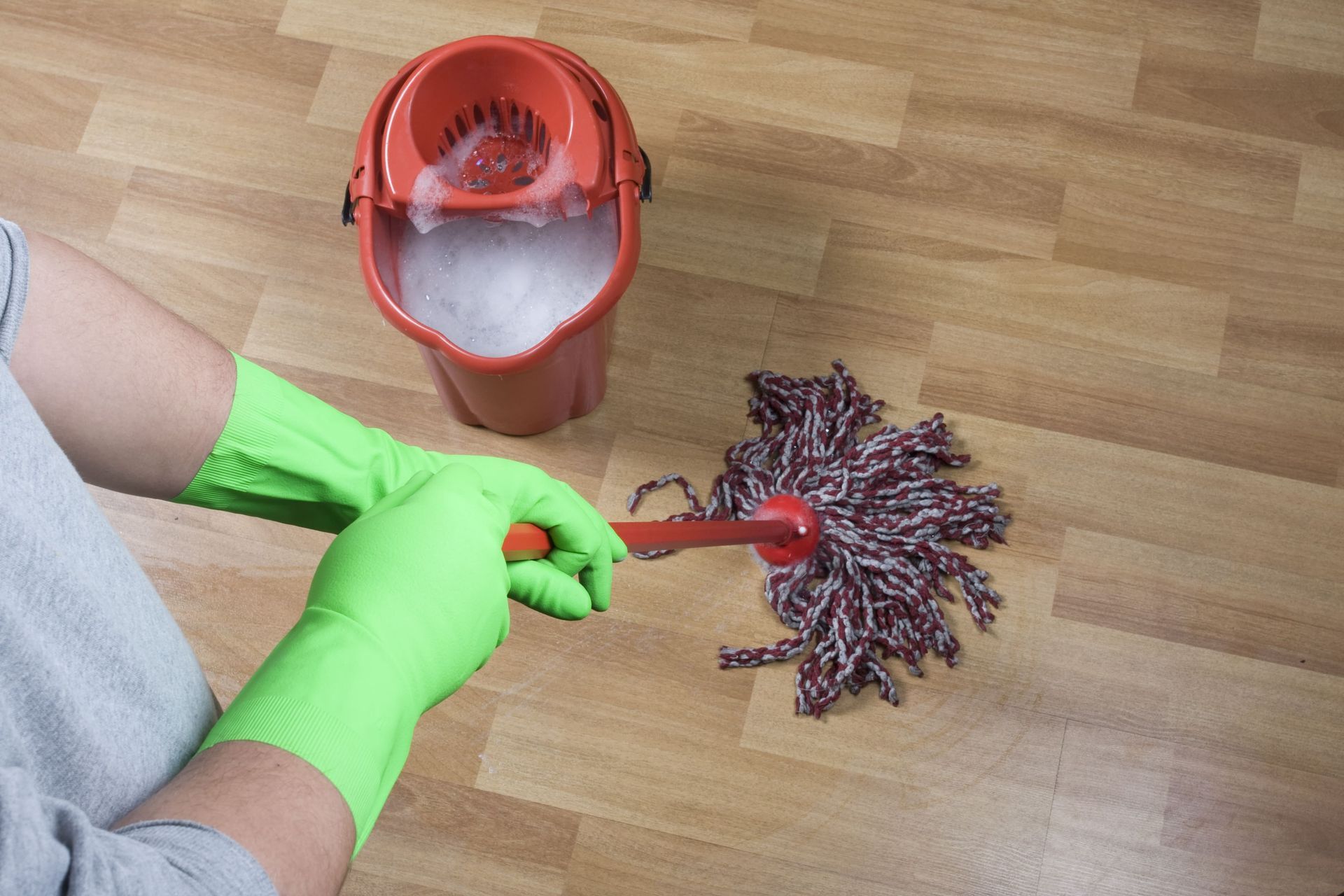
A spin mop allows you to precisely control how wet or dry your mop head is, preventing puddles from forming in grout lines.
Soft brush for grout lines
A soft-bristled nylon utility brush is essential for agitating cleaner out of porous grout channels without scratching surrounding tile faces.
Tools to avoid on glossy tile
Never use abrasive scouring pads, steel wool, or stiff-bristled wire brushes on glossy ceramic or polished porcelain tile. These harsh tools will scratch and dull the shiny finish permanently.
Step-by-step tile floor cleaning method
Sweep or vacuum loose dirt first
Never skip dry dust removal. Sweeping or vacuuming eliminates hair, crumbs, and grit that would otherwise mix with your cleaning solution to form a muddy film.
Use the correct cleaner dilution
Always follow the manufacturer's instructions on commercial floor cleaners. Adding "just a little extra" guarantees a soapy residue that is nearly impossible to buff out without a clean water rinse.
Mop in sections and refresh water often
Work in small, manageable sections (such as a 6x6 foot area). Change your mop water as soon as it begins to look cloudy or gray; clean floors require clean water.
Rinse if residue remains
If your tile looks hazy after drying, go over the floor once more with a clean microfiber mop dampened with plain, warm water to lift residual soap.
Dry quickly with a clean microfiber cloth
For an ultra-polished, streak-free look in high-end spaces, pass a dry microfiber flat mop over the floor immediately after damp-mopping to absorb lingering moisture.
How to clean different types of tile
Ceramic tile
Ceramic tile is durable and handles most mild multi-purpose or vinegar-water solutions well, provided you avoid over-wetting the grout.
Porcelain tile
Porcelain is denser and less porous than ceramic. It is easy to clean, but its smooth surface shows streaks easily, making proper soap dilution and drying essential.
Textured tile
Textured or matte tiles trap dirt and mop fibers easily. Use a soft-bristled brush or microfiber mop that can glide across the surface without snagging on raised patterns.
Natural stone tile
Natural stone—such as marble, travertine, or slate—requires specialized care.
Why natural stone needs special care
Natural stone is calcium-based and highly porous. Acidic cleaners like vinegar, lemon juice, or harsh bleach will chemically etch, pit, and permanently dull the stone finish. Always use a dedicated, pH-neutral stone cleaner.
When to clean grout separately
Signs grout needs deeper attention
If your tiles look clean but the surrounding lines appear dark, gray, or dingy, your grout requires targeted maintenance.
Safe grout brushes and cleaners
Apply a mild baking soda paste or a specialized oxygen bleach cleaner to the grout lines, agitate gently with a soft nylon brush, and rinse thoroughly with clean water.
How often should tile floors be cleaned?
Kitchen, bathroom, entryway, and living areas
- Daily: Quick sweep of entryways and high-traffic kitchen zones.
- Weekly: Full sweep/vacuum and damp-mopping in kitchens, bathrooms, and laundry rooms.
- Monthly: Detailed inspection and spot-cleaning of grout lines and baseboards.
When to hire professional recurring cleaning
Preventing buildup, streaks, and dirty grout over time
Keeping tile and porous grout lines consistently bright requires routine effort that can easily crowd a busy schedule. Partnering with a reliable professional team like Star Maids Cleaning Solutions ensures your floors receive expert maintenance, specialized pH-neutral care, and streak-free detailing week after week.
Ready to enjoy permanently spotless, brilliantly shining tile floors? Click here to get your custom quote from Star Maids Cleaning Solutions today!
FAQ
Why are my tile floors sticky after mopping?
Sticky floors are almost always caused by using too much cleaning product or failing to rinse away soap residue. When the water evaporates, it leaves a sticky chemical film that rapidly attracts fresh dirt and footprints.
Do tile floors need to be rinsed?
If you use the correct dilution of a quality, residue-free floor cleaner, rinsing is usually unnecessary. However, if you notice a cloudy film or sticky texture, a final pass with clean, warm water will eliminate the streaks.
What is the best mop for tile floors?
A microfiber spin mop or flat microfiber mop is widely considered the best choice for tile floors. Microfiber lifts stubborn grease without leaving lint behind, and spin buckets allow you to control moisture levels easily.
How do you clean tile floors naturally?
You can clean most ceramic and porcelain tile naturally by mixing a few drops of mild dish soap with warm water. For extra shine without streaks, add a small splash of rubbing alcohol, which helps the water evaporate faster. (Note: Avoid acidic natural options like vinegar if you have natural stone tile).