
How to Clean Hardwood Floors Without Damaging Them?
Hardwood floors bring natural warmth, timeless elegance, and lasting value to any home. However, because wood is a natural, porous material, it is uniquely sensitive to moisture, abrasive grit, and harsh chemical treatments. Using the wrong cleaning tool or drenching the boards can quickly dull the finish, warp the planks, or cause permanent water damage.
Knowing how to properly care for and clean your hardwood floors ensures they stay glossy, protected, and resilient against daily wear and tear.
Quick answer: the safest way to clean hardwood floors
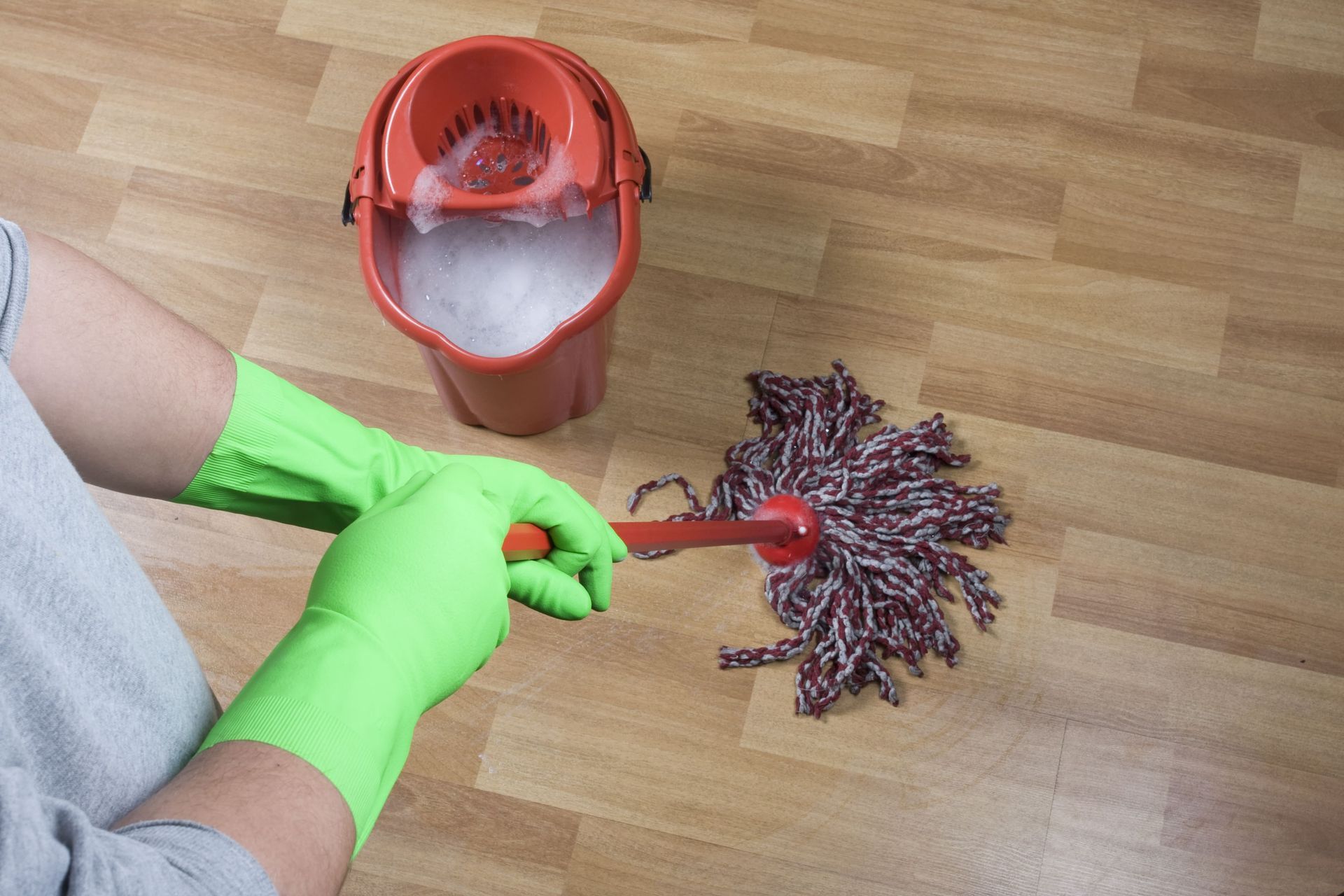
- Use a lightly damp microfiber mop, not a soaking wet mop: Excess water is the number one enemy of hardwood, causing wood fibers to swell and warp.
- Choose a pH-neutral cleaner made for hardwood: Avoid harsh chemicals, bleach, or acidic concoctions that strip away the protective polyurethane coating.
- Dry the floor quickly to prevent water damage: Always wipe away pooling moisture or let the surface air-dry within seconds of damp-mopping.
How to identify sealed vs. unsealed hardwood floors
Simple water drop test for sealed wood
Before applying any moisture, determine whether your hardwood has a protective barrier:
- Place a small drop of water on a clean section of your hardwood floor.
- Wait a few minutes and observe how the wood reacts.
- Sealed Wood: If the water beads up on the surface without soaking in, your floors are sealed (typically with polyurethane, varnish, or shellac).
- Unsealed Wood: If the water darkens the wood or absorbs quickly within a minute, your floor is unsealed or oil-treated.
What to avoid on unfinished or poorly sealed wood
Unfinished or penetrating-oil sealed floors should never be cleaned with standard water-based mops or multi-purpose liquid cleaners. Moisture penetrates directly into the open grain, causing deep staining and rot. These specialty floors require specialized paste waxes or manufacturer-recommended maintenance oils instead of wet washing.
Step-by-step hardwood floor cleaning routine
Remove loose dust and grit first
Never skip the dry debris removal phase. Microscopic dust, sand, and grit act like fine sandpaper under your feet and cleaning tools, scratching the finish every time someone walks across the room.
Vacuum settings and soft-bristle attachments
Run a vacuum cleaner over the floor, ensuring you turn off any rotating beater bars or switch to a hard-floor setting. Alternatively, use a soft-bristle brush attachment or a dry electrostatic microfiber mop to capture pet hair, crumbs, and abrasive dust particles.
Mop in small sections with minimal moisture
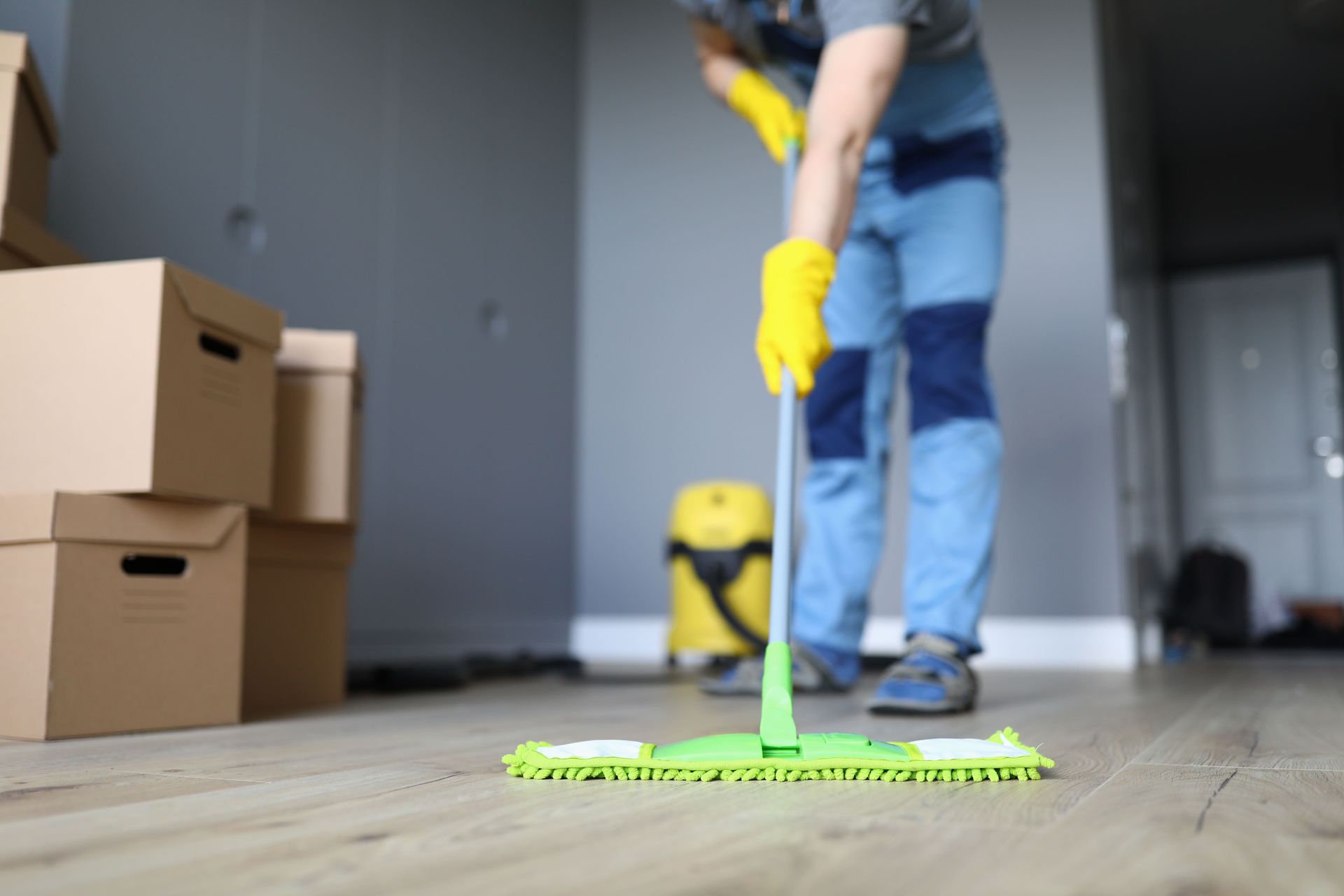
- Lightly mist your pH-neutral hardwood cleaner onto a clean microfiber mop pad (or directly onto the floor in a fine, controlled mist).
- Work in manageable sections, moving systematically across the room.
Best direction to mop for a cleaner finish
Always move your mop parallel to the direction of the wood grain. This ensures that any residual moisture or micro-streaks blend naturally with the natural lines of the planks.
Spot clean spills, sticky areas, and scuff marks
- Sticky Spills: Dampen a cloth with a drop of pH-neutral cleaner and hold it over the sticky spot for a few seconds to loosen the residue before gently wiping.
- Scuff Marks: Rub rubber heel marks or scuffs gently with a clean microfiber cloth and a tiny touch of specialized floor cleaner.
Safe tools for corners, edges, and high-traffic areas
For tight corners or heavy buildup near entryways, use a handheld microfiber cloth rather than aggressive scrubbing pads. Protect high-traffic transition zones by placing low-profile area rugs or entry mats to catch abrasive dirt before it hits the wood.
Common mistakes that damage hardwood floors
Using too much water
Drenching a hardwood floor allows water to seep directly into the seams between planks. As the wood absorbs the moisture, it swells, leading to cupping, warping, and irreversible buckling.
Using vinegar too often
While frequently touted as a DIY miracle cleaner, standard white vinegar is acidic. Over time, frequent use of vinegar-based solutions will break down and etch away the protective polyurethane finish, leaving your hardwood dull and defenseless.
Steam cleaning the wrong type of wood floor
Never use a steam mop on hardwood floors. Steam forces high-temperature moisture deep into the wood pores and grain seams under pressure, almost guaranteeing warped planks and ruined finishes.
Leaving cleaner residue behind
Failing to buff away excess cleaning solution leaves a sticky, hazy film that attracts dirt and footprints, making your freshly cleaned floors look instantly soiled.
How often should hardwood floors be cleaned?
Daily, weekly, and monthly maintenance schedule
- Daily: Quick dry-dusting or spot-sweeping in high-traffic zones (kitchens, entryways, and hallways).
- Weekly: Full dry vacuuming followed by a careful, lightly damp microfiber mop.
- Monthly: Deep inspection for scuffs, buildup, or wear patterns, paired with protective rug adjustments.
Homes with pets, kids, or heavy foot traffic
If your household includes shedding pets, running children, or heavy daily foot traffic, increase your dry-dusting frequency to every other day to prevent grit accumulation from wearing down your floor's protective coating.
When professional house cleaning can help protect floors
Recurring cleaning for dust, grit, and buildup control
Maintaining pristine hardwood requires consistent, meticulous upkeep that can easily overwhelm a busy weekly schedule. Partnering with a reliable professional service like Star Maids Cleaning Solutions ensures your floors receive expert care week after week. Our trained cleaning professionals utilize surface-safe, pH-neutral techniques and meticulous dusting protocols to eliminate abrasive grit before it can scratch your investment.
Ready to give your hardwood floors the expert care they deserve?
Click here to get your custom quote from Star Maids Cleaning Solutions today!
FAQ
Can you mop hardwood floors with water?
You should never mop hardwood floors with standing water or a soaking wet traditional mop. You can use a lightly damp microfiber pad or misting mop designed specifically for hardwood, provided the moisture is minimal and evaporates almost instantly.
Is vinegar safe for hardwood floors?
No, frequent use of vinegar is not recommended. Because vinegar is acidic, repeated application will gradually eat away at the protective polyurethane finish, leaving your hardwood vulnerable to stains, moisture damage, and dullness.
What is the best mop for hardwood floors?
The best mop for hardwood floors is a microfiber spray mop or a flat microfiber mop head. Microfiber traps fine dust and distributes cleaner in a fine, controlled mist without flooding the wood joints with excess liquid.
How do you clean hardwood floors without streaks?
To clean hardwood floors streak-free, use a pH-neutral commercial hardwood cleaner, apply it sparingly using a clean microfiber pad, and ensure you buff the surface dry or let it air-dry completely. Avoid using excessive product, as cleaner residue is the primary cause of cloudy streaks.