How to Clean High-Touch Areas After Someone Gets Sick?
Quick Answer
The best way to sanitize your home and stop lingering germs from spreading after someone recovers from an illness is to wash dirty surfaces with soap and water first, apply an EPA-registered disinfectant to high-touch objects, and let the product remain wet for its required contact time before wiping it away.
Cleaning vs Disinfecting After Illness
Why Cleaning Comes First
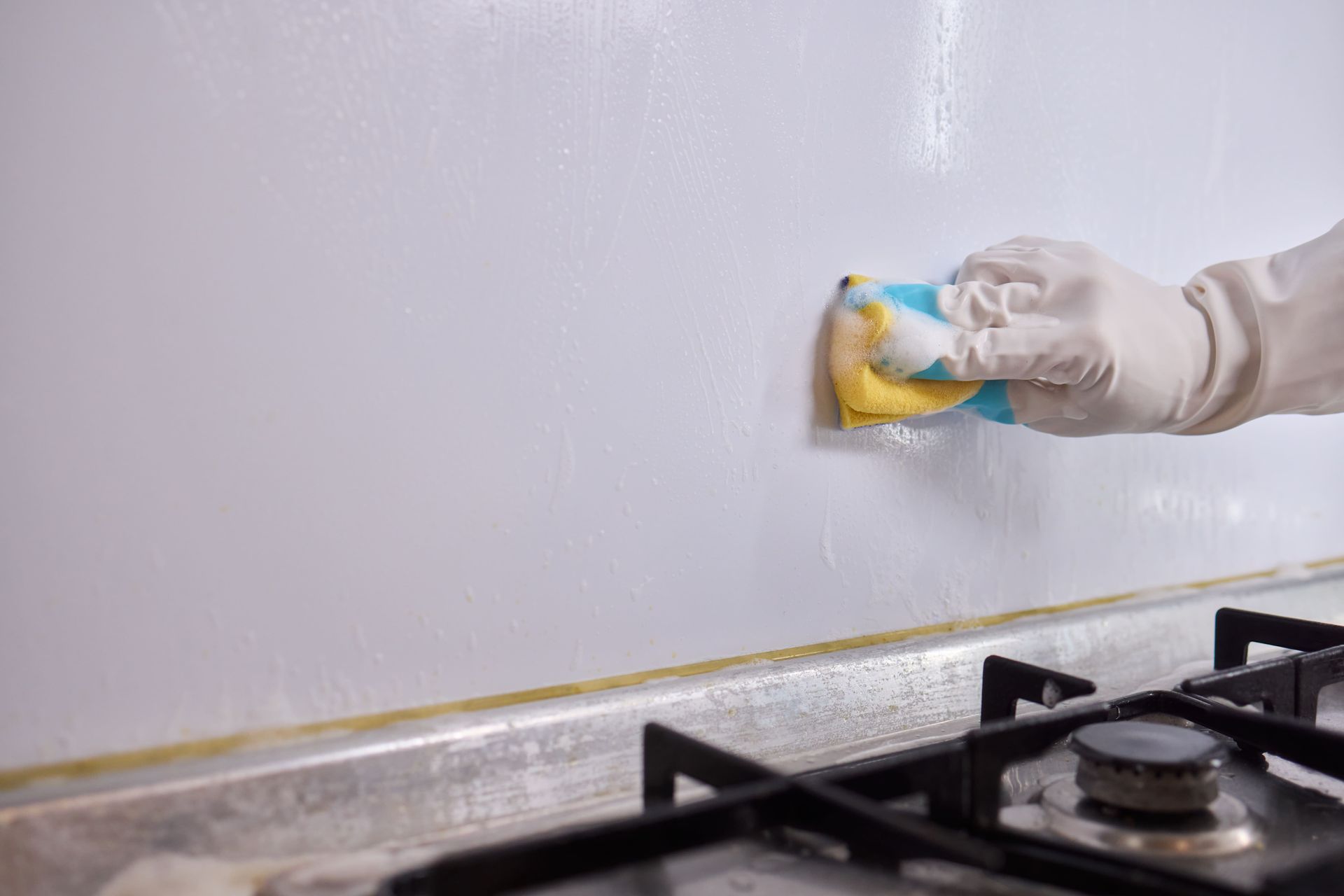
Physical cleaning physically removes dust, grease, and dirt, along with a significant portion of germs and organic matter. Skipping this step leaves a barrier that prevents disinfectants from working properly.
When Disinfecting Is Needed
Disinfecting uses chemical agents to kill microscopic viruses and bacteria remaining on surfaces. This step is essential in bathrooms, kitchens, and shared living spaces immediately after a household member falls ill. To understand the exact scientific definitions behind these terms, read our guide on cleaning vs sanitizing vs disinfecting.
Why Contact Time Matters
Every disinfectant spray or wipe requires a specific amount of time—often 3 to 10 minutes—to sit completely wet on a surface to destroy pathogens. Wiping the surface dry immediately ruins its effectiveness.
High-Touch Areas to Clean
Door Handles and Light Switches
Every doorknob, hallway light switch, and cabinet pull in the house acts as a central hub for passing germs from hand to hand.
Bathroom Fixtures
Faucet handles, toilet flush levers, sink edges, and shower doors collect heavy viral and bacterial residue during a bout of sickness.
Kitchen Handles and Counters
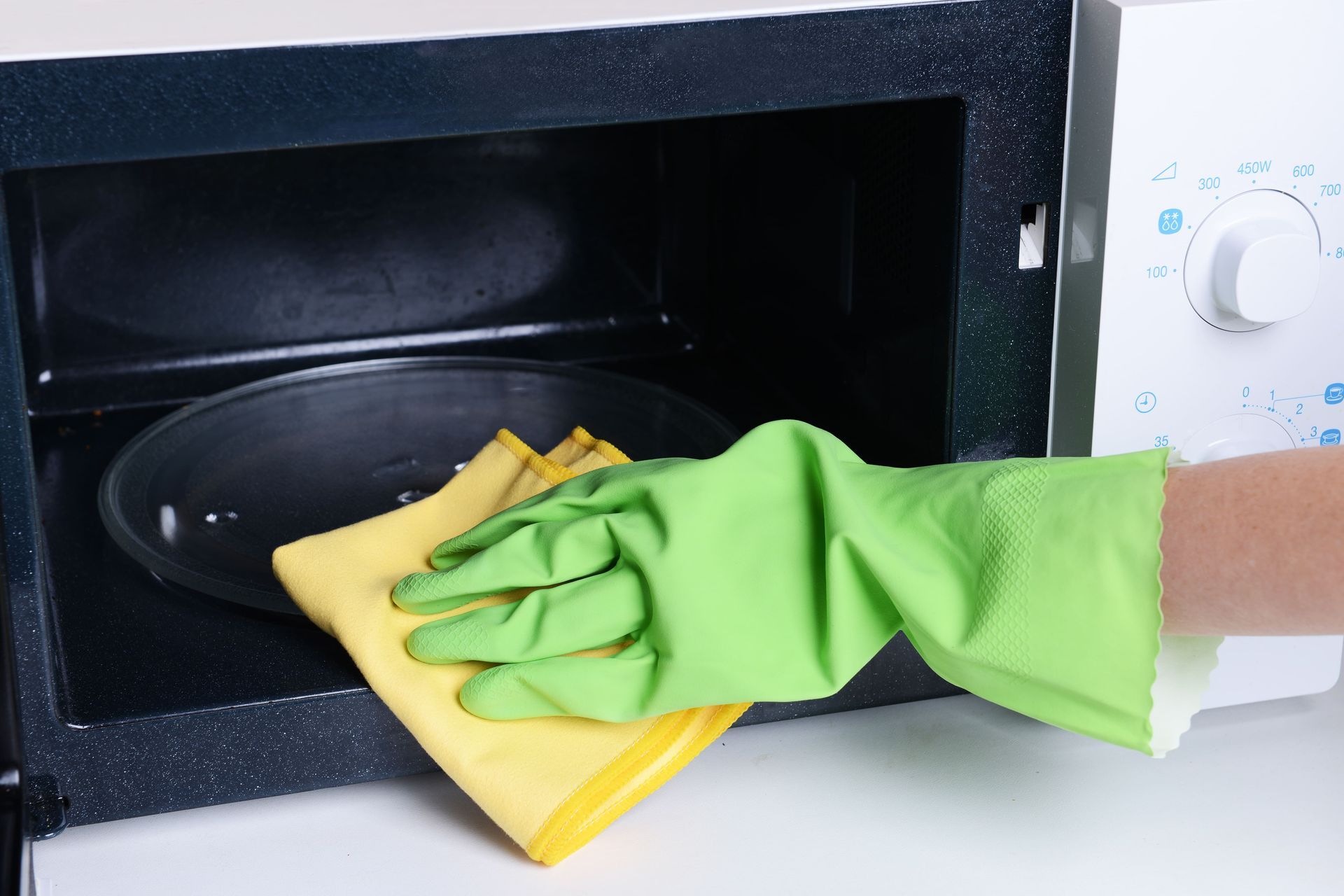
Refrigerator doors, microwave touchpads, oven handles, and prep counters require immediate sanitization to protect healthy family members.
Remote Controls and Electronics
TV remotes, game controllers, and smartphone screens harbor germs for days; wipe them down safely with electronics-safe disinfectant wipes.
Soft Surfaces and Bedding
Wash all sickroom bed sheets, pillowcases, blankets, and pajamas in the washing machine using hot water and detergent, drying them on high heat.
Trash, Tissues, and Laundry
Empty bedroom and bathroom wastebaskets daily, tying garbage bags tightly and washing your hands thoroughly afterward.
Products to use carefully
Use bleach solutions, hydrogen peroxide, or quaternary ammonium sprays with care on sensitive wood finishes, electronics, and colored fabrics.
Safety reminder: follow labels and never mix products
Never mix chlorine bleach with ammonia, vinegar, or acidic toilet cleaners. Mixing cleaning chemicals creates lethal, toxic gas fumes that put your health in extreme danger.
How to Refresh the Home After Sickness
Once high-touch surfaces are disinfected and laundry is washed, open your windows for 15 to 30 minutes to air out stale indoor air, and run your HVAC fan or bathroom exhaust fans to clear out trapped airborne particles.
When Professional Cleaning Can Help
Recovering from an illness leaves you drained, and the last thing you want to do after nursing a sick family member is scrub bathrooms, mop floors, and sanitize the entire house. When you need to hit the reset button safely, professional help makes all the difference.
Offer Star Maids as a cleaning support option for families that need help resetting the home after a difficult week. Book a residential cleaning service or set up a recurring cleaning service to keep your environment fresh and hygienic—submit a quote request today to schedule your clean!
FAQ
What should I clean after someone gets sick?
Focus heavily on high-touch surfaces: doorknobs, light switches, faucet handles, remote controls, refrigerator handles, toilet levers, and all sickroom bedding.
Should you disinfect before or after cleaning?
Always clean surfaces with soap and water before disinfecting. Removing dirt and grime ensures the disinfectant can make direct contact with germs and kill them.
How long do disinfectants need to sit?
Most household disinfectants must remain visibly wet on a surface for 3 to 10 minutes (check the product label) to effectively eliminate viruses and bacteria.
What high-touch areas do people forget?
People frequently forget to disinfect electronic remotes, cell phones, stair handrails, cabinet pulls, and the flush handles on toilets.
Can professional cleaning help after illness?
Yes! A professional deep clean sanitizes high-touch zones, thoroughly details bathrooms and kitchens, and resets your home so you can focus on rest and recovery.