
Microfiber Cloth vs. Paper Towels: Which Cleans Better? Guide
When stocking your home cleaning caddy, the classic debate often comes down to reusable microfiber cloths versus convenient paper towels. While grabbing a roll of paper towels feels effortless, relying on them for every dusting and scrubbing job can become expensive and leave behind annoying lint trails.
Understanding how both materials perform across different household tasks helps you choose the most effective, economical, and sustainable option for your home.
Quick answer: microfiber usually cleans more effectively
- Microfiber cleaning: Microfiber is generally superior for cleaning because its split synthetic fibers trap dust, grease, and bacteria mechanically, often eliminating the need for heavy chemical sprays.
- When paper towels are still useful: Paper towels excel at single-use convenience, handling biological waste (like pet messes or raw meat juices), and wiping down exceptionally greasy or toxic spills that you want to throw away immediately.
How microfiber works
Tiny fibers that trap dust, dirt, and residue
Microfiber is made of microscopic synthetic strands (typically a blend of polyester and polyamide) split into tiny wedge-shaped hooks.
Why microfiber works well with less cleaner
Because these microscopic channels create massive electrostatic attraction and physical friction, they grab onto dust and oil like a magnet. This allows you to clean effectively with plain water or a tiny fraction of the cleaner you would normally use with a standard cloth or paper towel.
How paper towels work
Absorption, convenience, and single-use cleanup
Paper towels are engineered for fast, high-volume liquid absorption and absolute convenience. Once a paper towel is soiled, you simply toss it in the trash, eliminating any need for laundering or sanitizing a dirty rag.
Microfiber vs. paper towels by cleaning task
Cleaning Task
- Dusting Furniture & Shelves
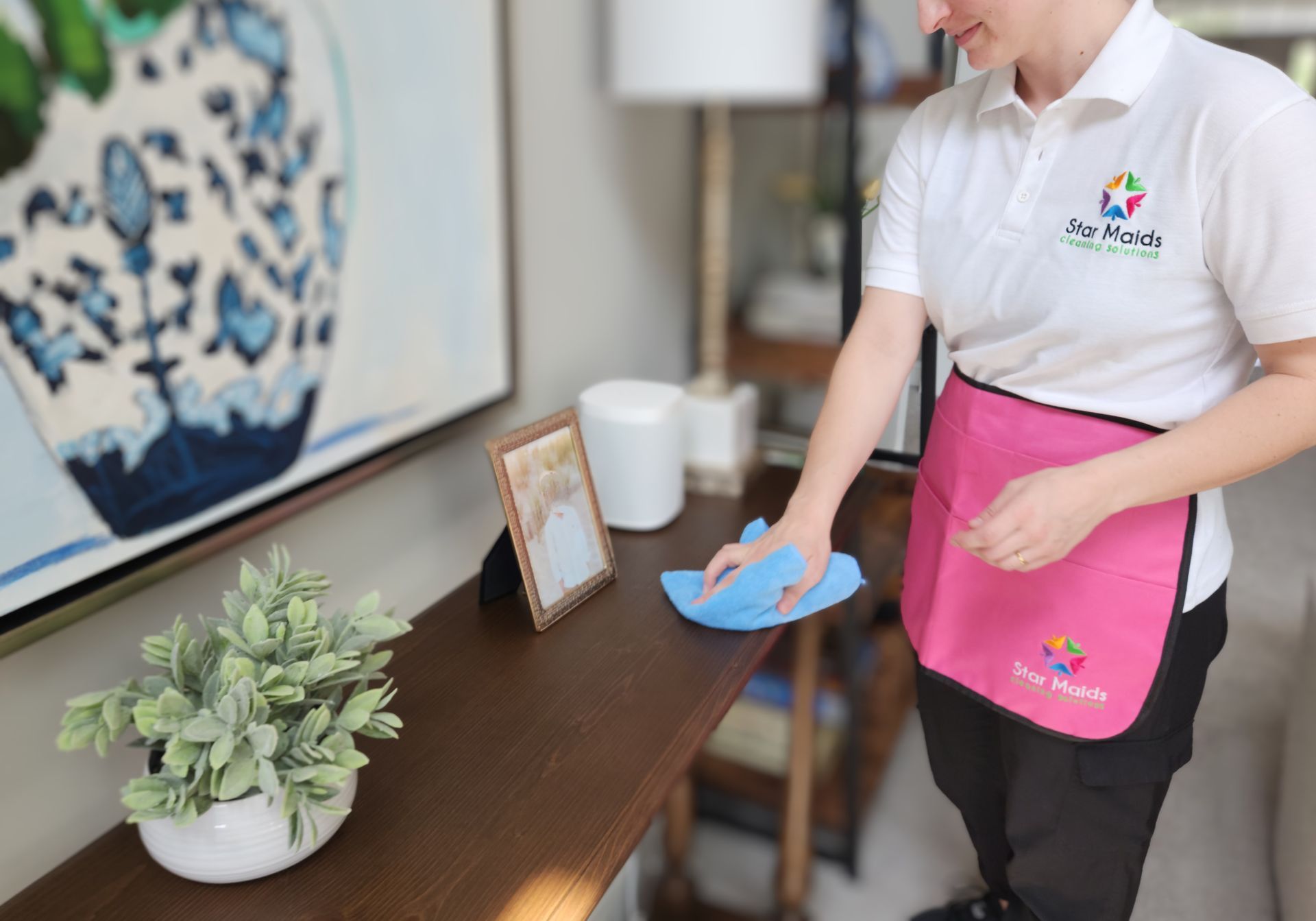
Microfiber: Electrostatic charge traps and holds dust rather than kicking it into the air.
- Cleaning Glass & Mirrors
Microfiber: Polishes glass to a streak-free shine without leaving behind paper lint.
- Wiping Countertops
Microfiber: Lifts sticky residues and food oils efficiently with minimal product.
- Cleaning Stainless Steel
Microfiber: Buffs metal surfaces smoothly along the grain without scratching.
- Handling Spills & Messes
Paper Towels: Perfect for raw meat juices, pet accidents, or heavy grease you want out of sight instantly.
Which is better for sanitizing?
Cleaning first, then sanitizing when needed
Sanitizing and disinfecting require a clean surface free of organic debris. Microfiber is exceptional for the initial physical cleaning phase because its fibers pull bacteria off surfaces effectively.
When disposable options make sense
If you are cleaning up after an illness in the household or dealing with hazardous bio-matter, single-use paper towels paired with a disinfectant spray prevent cross-contamination by letting you immediately throw the germs away.
Cost and waste comparison
Reusable cloths vs. recurring paper towel purchases
While buying a pack of microfiber cloths has a slightly higher upfront cost than a roll of paper towels, a single quality microfiber cloth can be washed and reused hundreds of times. This translates to substantial long-term savings and drastically reduces household landfill waste.
How to wash microfiber cloths correctly
Avoid fabric softener and high heat
To keep your microfiber cloths performing at their best, follow these laundering rules:
- Wash in cold or warm water with a mild detergent.
- Never use fabric softener or dryer sheets: Softeners coat the tiny microfiber hooks in grease and wax, clogging their structure and destroying their ability to trap dust and absorb liquids.
- Skip high heat: Tumble dry on low or hang them to dry, as high heat will melt the synthetic fibers.
How to separate cloths by room or task
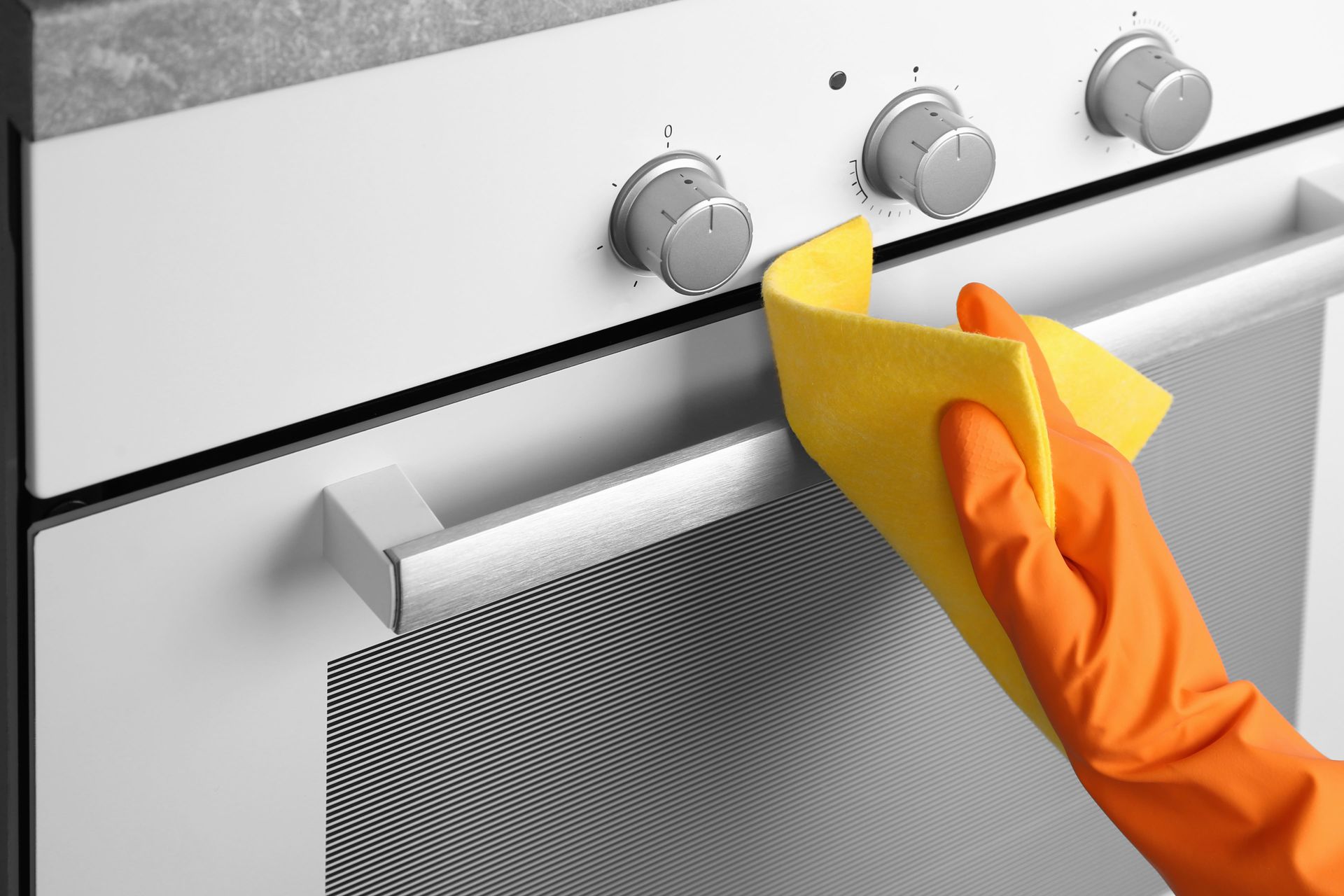
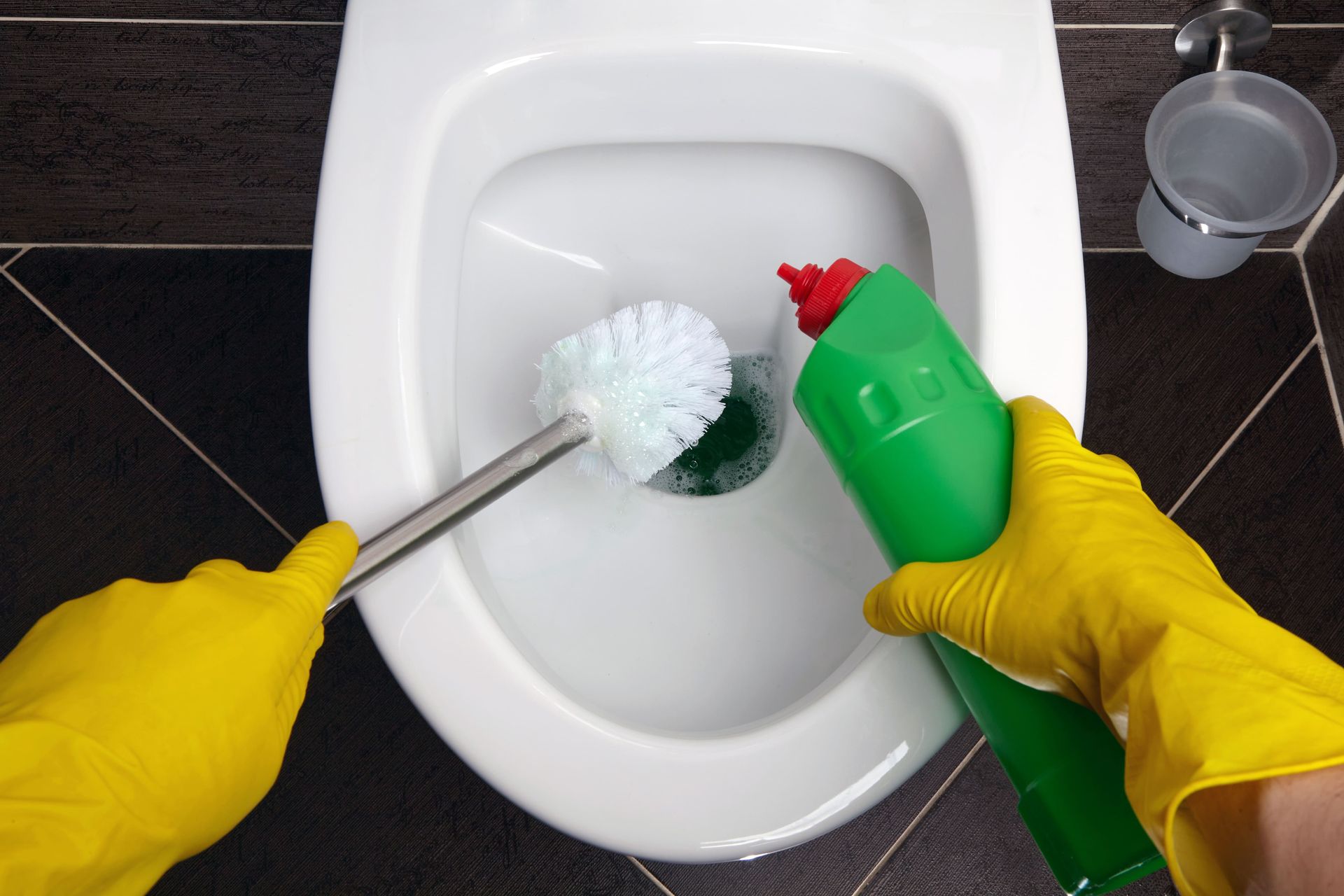
To prevent cross-contamination, color-code your microfiber cloths. For example, use blue for dusting furniture, green for kitchens, and yellow or red strictly for bathrooms.
Professional cleaner recommendation
Use the right cloth for the right surface
Professional cleaners rely heavily on microfiber for detailing glass, polishing stainless steel, and capturing fine dust. However, they also keep disposable options on hand for severe, messy tasks. If you want your entire home detailed to absolute perfection without lifting a finger, Star Maids Cleaning Solutions brings professional-grade tools and expert techniques directly to your door.
Ready to enjoy a flawlessly clean home without the chores?
Click here to get your custom quote from Star Maids Cleaning Solutions today!
FAQ
Are microfiber cloths better than paper towels?
Yes, for the vast majority of cleaning tasks. Microfiber cleans more thoroughly, traps microscopic dust and bacteria better, leaves zero lint behind, and is vastly superior for the environment and your wallet over time.
Can microfiber scratch surfaces?
Good quality microfiber is extremely soft and safe for delicate surfaces like glass, TV screens, and polished wood. However, if a microfiber cloth drops on the floor and picks up a piece of sharp grit or sand, that trapped debris can scratch surfaces if wiped vigorously.
Can you disinfect with microfiber cloths?
Yes, but you must use them correctly. Spray your disinfectant onto the surface or the cloth, wipe to clean and distribute the solution, and ensure the surface stays wet long enough for the disinfectant to kill pathogens according to the product label.
How long do microfiber cloths last?
With proper care (washing without fabric softener and drying on low heat), high-quality microfiber cloths can easily last through 500 washes or more, retaining their cleaning power for years.