
Why regular pet waste removal matters for your yard's health
It is easy to think of dog waste as just an unpleasant chore, something to deal with before mowing the lawn or letting kids play outside. But why pet waste removal matters goes beyond appearances. Left in the yard, it affects grass health, contaminates soil and water, and creates real health risks for people and pets alike.
This guide covers what pet waste actually does to a yard over time, the health risks involved, and how often removal should happen to keep an outdoor space genuinely safe.
The short answer
Pet waste left on grass kills the lawn underneath, spreads bacteria and parasites, and can wash into local waterways during rain. Removing it regularly, ideally every few days for one dog and more often for multiple pets, protects both the yard and the health of everyone who uses it.
Why pet waste removal matters more than most people assume
It is easy to underestimate the impact of a few uncollected piles in the corner of a yard. In reality, the effects compound quickly, damaging grass, contaminating soil, and creating a health risk that grows the longer waste sits untouched. Understanding the full picture, from lawn damage to local water quality, makes it easier to treat removal as routine maintenance rather than an occasional chore.
What pet waste does to your lawn
Dog waste is highly acidic and nitrogen-rich, which sounds like it might help grass grow, but in concentrated form it does the opposite. Left in one spot, it burns the grass, leaving yellow or brown patches that can take weeks to recover even after the waste is removed. Yards with several dogs or a few high-traffic areas tend to show this damage fastest, since waste concentrates in the same few spots.
Beyond visible damage, waste that breaks down into the soil changes its chemistry over time. This makes it harder for grass to recover fully in the same spot, even with reseeding or extra care. Homeowners who deal with recurring bare patches in the same area, despite reseeding or fertilizing, are often dealing with a spot where waste has been left repeatedly rather than a soil or watering issue.
Health risks of leaving pet waste in the yard
Dog waste carries more risk than most pet owners expect. A single gram of dog feces can contain millions of fecal coliform bacteria, along with parasites that pose a real risk to both humans and other animals. Common concerns include:
- Giardia: a parasite that causes digestive illness and can spread between pets without obvious symptoms
- Roundworms and whipworms: parasites that can survive in soil for extended periods and pose a particular risk to children who play outdoors
- E. coli and other bacteria: contamination that can spread to hands, shoes, and other surfaces after contact with an affected yard
- Toxocariasis: a parasitic infection in humans linked to contact with contaminated soil, particularly relevant for households with young children
- Hookworms: parasites that can enter through skin contact with contaminated soil, which makes bare feet in the yard riskier than most people assume
Children and other pets are most at risk, since they tend to have more direct contact with grass and soil during normal outdoor play. Professional yard cleanup teams often see this firsthand in yards that have gone several weeks without service, where waste has broken down into the soil in high-traffic play areas near swing sets or patios, exactly the spots where kids and pets spend the most time.
Yard health and pet waste: the environmental connection
Pet waste does not stay contained to the yard where it is left. The EPA classifies pet waste as a nonpoint source pollutant, meaning it contributes to water pollution when rain washes it from lawns into storm drains, streams, and local waterways, the same broad category that includes runoff from fertilizers and other diffuse contaminants.
Once in local waterways, bacteria from pet waste can affect water quality, harm aquatic life, and contribute to the kind of contamination that leads to swimming advisories in ponds and creeks. This is one of the reasons many local jurisdictions, including parts of Montgomery County, actively encourage residents to clean up after pets rather than treating it as a purely aesthetic issue.
Dog poop removal benefits beyond a cleaner-looking yard
Regular removal delivers benefits that go well past curb appeal:
- Healthier grass, since waste is not left to burn and kill patches of lawn
- Lower risk of parasite and bacteria exposure for children and other pets
- Reduced insect activity, since flies are drawn to uncollected waste
- Better water quality in nearby streams, ponds, and storm drains
- A more usable outdoor space for gatherings, play, and everyday relaxation
Professional pet waste teams that service yards regularly often notice how quickly a lawn recovers once consistent removal starts, especially in areas that previously showed heavy staining or bare patches.
Lawn care and dog waste: a realistic removal schedule
How often removal should happen depends mostly on the number of dogs and the size of the yard:
- One dog, small to medium yard: every two to three days
- One dog, larger property: twice a week is usually enough
- Multiple dogs: every one to two days to prevent buildup and lawn damage
- Hot summer months: more frequent removal helps limit odor and insect activity, since waste breaks down and attracts pests faster in warm weather
Waiting a week or more between cleanups, especially with more than one dog, is usually when lawn damage and odor become noticeable. Households that struggle to stick to a consistent schedule, whether from busy routines or simply forgetting, often find that a recurring professional visit removes the guesswork entirely, since the yard gets checked on the same schedule regardless of how the week has gone.
Common mistakes pet owners make with yard cleanup
A few habits tend to make yard damage and health risks worse than they need to be:
- Waiting until waste is visible from the patio before doing a cleanup pass
- Assuming a large yard dilutes the risk, when waste is usually concentrated in the same few spots regardless of total yard size
- Mowing over uncollected waste, which spreads bacteria and residue across a wider area
- Skipping cleanup during winter, when waste can still carry parasites even in cold weather, just breaking down more slowly
- Not adjusting the schedule after adding a second pet, which roughly doubles the waste a yard needs to handle
Avoiding these habits keeps a yard safer without requiring a dramatically different routine.
What affects pet waste removal cost and scheduling
A few factors shape how often removal is needed and what a service typically costs:
- Number of dogs: more dogs mean more frequent visits to avoid buildup
- Yard size: larger yards may take longer per visit, even at the same frequency
- Fencing and gate access: yards with secure, easy access are quicker to service than those requiring extra coordination
- Season: summer heat accelerates odor and insect activity, which sometimes calls for more frequent visits than winter months
- One-time cleanup vs. recurring service: a yard that has gone unmaintained for weeks or months usually needs an initial deep cleanup before settling into a regular schedule
Most professional services offer flexible plans, from weekly to twice-monthly, based on these factors rather than a single flat rate for every yard.
Frequently asked questions
How quickly does pet waste damage grass? Damage can start within a few days in concentrated spots, though visible yellowing or browning may take one to two weeks to fully appear.
Can I just let waste break down naturally instead of removing it? Natural decomposition takes much longer than most people expect, often several weeks to months depending on weather, and during that time the waste continues to pose bacteria and parasite risks.
Is professional pet waste removal worth it compared to doing it myself? For yards with multiple dogs, larger properties, or busy schedules, professional service ensures consistent removal without relying on someone remembering to do it every few days.
Does pet waste removal help with yard odor? Yes. Regular removal is one of the most effective ways to reduce persistent yard odor, especially during warmer months when waste breaks down faster.
Is dog waste really considered a pollutant? Yes. It has been classified by the EPA as a nonpoint source pollutant since 1991, in the same broad category as runoff from fertilizers and other diffuse contaminants that affect water quality.
Do I need to worry about pet waste in winter? Yes, though the risk changes. Waste breaks down more slowly in cold weather, which means it can sit visibly in the yard for longer, but the bacteria and parasites inside do not simply disappear because of the cold.
Keeping your yard safe and healthy year-round
Understanding why pet waste removal matters changes how it gets prioritized, from an occasional chore to a regular part of yard maintenance that protects grass, family health, and local water quality. A consistent removal schedule, matched to the number of pets and size of the yard, keeps outdoor space genuinely usable without the health risks that come from letting waste accumulate.
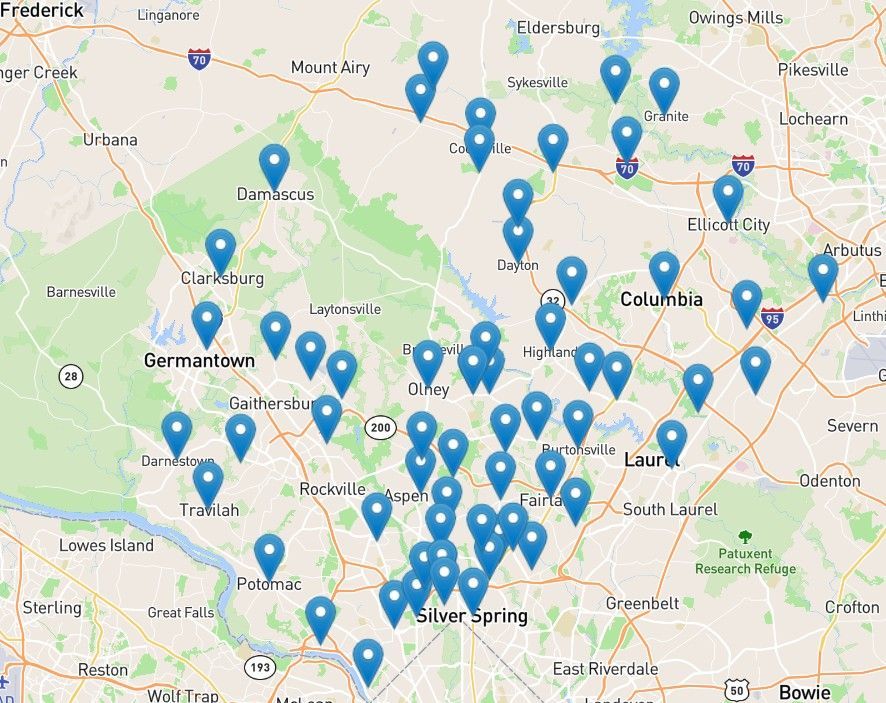
Star Maids' pet waste and yard cleanup service handles this on a flexible schedule for households across Montgomery and Howard County, so your yard stays clean, green, and safe without becoming another item on your weekly to-do list. Whether the priority is protecting a lawn from damage or simply giving kids and pets a safer space to play, a consistent removal schedule pays off quickly. It also pairs well with our residential cleaning services for households looking to keep both the inside and outside of the home consistently well maintained.