
How to Clean a Kitchen Sink and Remove Odors?
It may come as a surprise, but the kitchen sink is often one of the dirtiest places in the entire home—harboring more bacteria than the average toilet bowl. Every day, it handles raw meat juices, vegetable trimmings, coffee grounds, and dirty dishwater. Over time, trapped food particles create persistent foul odors, while mineral scale and soap scum dull the basin's shine.
Knowing how to properly deep clean your sink and neutralize drain odors ensures your kitchen stays fresh, hygienic, and sparkling.
Quick answer: the best kitchen sink cleaning routine
- Scrub the basin: Use a non-abrasive sponge and a mild cleaning agent to scour the entire interior surface.
- Clean the drain: Flush the P-trap and deodorize the disposal to eliminate trapped odor-causing bacteria.
- Dry the surface: Wipe down the basin and faucet with a clean microfiber towel to prevent water spots and mineral buildup.
Why kitchen sinks smell bad
Food residue
Microscopic scraps of food frequently get trapped along the bottom edges of the sink basin, around the drain strainer, or inside the rubber flaps of the garbage disposal.
Drain buildup
As grease, soap, and food particles coat the interior walls of your drainpipes, they form a thick, organic film known as biofilm, which produces a stale, sulfurous odor.
Garbage disposal odors
Because disposals grind up waste, fibrous food scraps, potato peels, and grease easily cling to the internal shredder blades and splash guard.
Wet sponges and standing water
Leaving a damp, dirty sponge sitting directly on the basin floor or allowing stagnant water to pool in a flat-bottom sink breeds mold and mildew rapidly.
How to clean different kitchen sink materials
Stainless steel sinks
Stainless steel is durable and hygienic, but it shows smudges and water spots easily.
- How to prevent scratches and water spots: Always clean in the direction of the metal's grain using a soft sponge. Rinse thoroughly and buff dry with a microfiber cloth immediately to eliminate water spots.
Porcelain sinks
Porcelain offers a classic, pristine look, but its glass-like glaze is vulnerable to heavy metal marks, chipping, and stubborn coffee or tea stains. Use a non-abrasive baking soda paste to lift stains gently without scratching.
Composite granite sinks
Composite granite is exceptionally tough and resistant to chipping, but it can develop a chalky, whitish film from hard water minerals.
- Why abrasive cleaners can cause damage: Harsh scouring powders, steel wool, and heavy bleach solutions can degrade composite resins, strip surface sheens, and discolor modern granite finishes.
Step-by-step sink cleaning method
Clear dishes and food debris
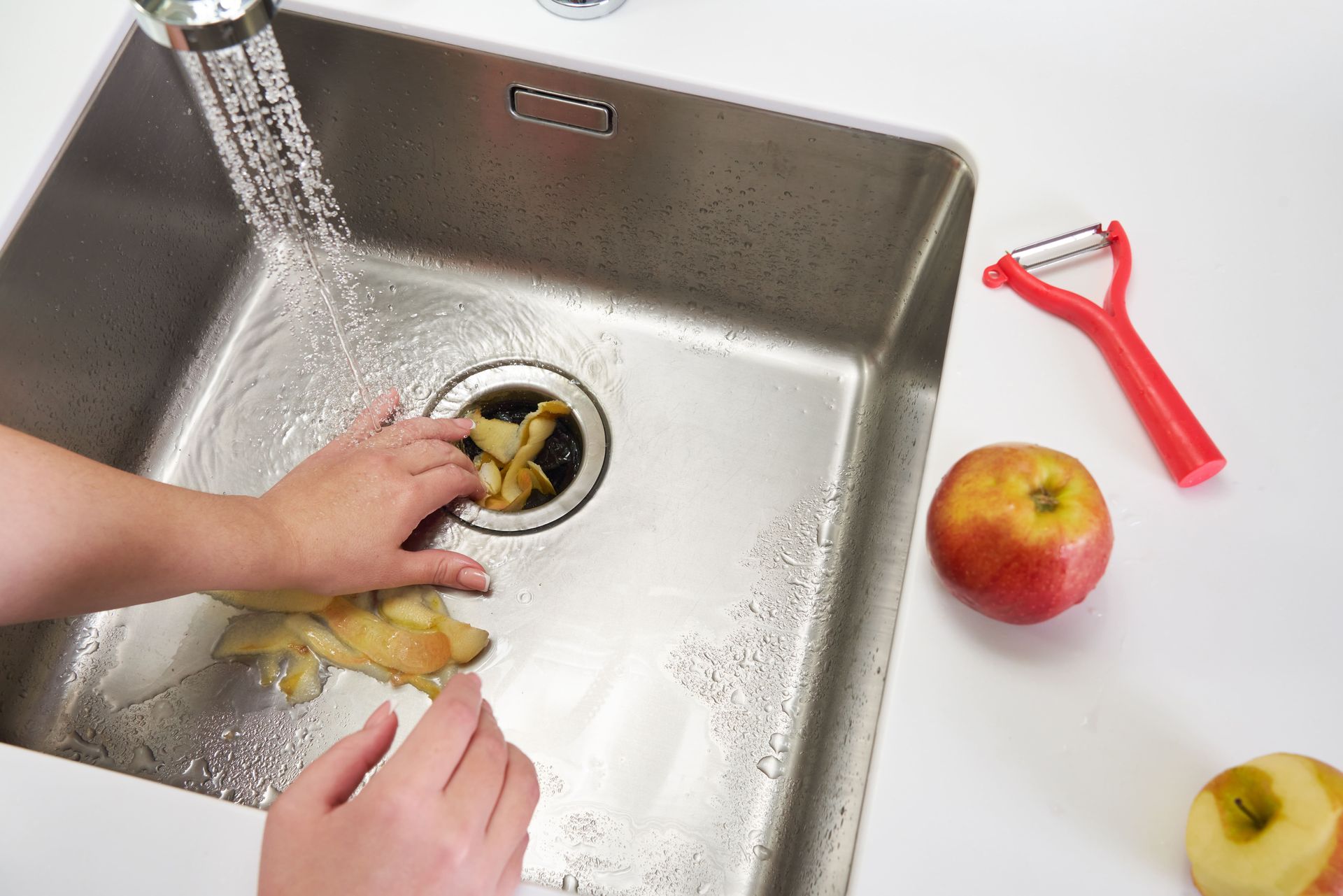
Remove all dishes, utensils, and food scraps from the basin. Toss large waste into the trash rather than pushing it all down the drain.
Wash the basin with mild dish soap
Apply a few drops of dish soap to a damp sponge. Scrub the entire interior basin thoroughly, starting from the top rims down to the drain opening.
Clean faucet, handles, and seams
Pay close attention to the base of the faucet, handle levers, and soap dispenser pumps. These high-touch zones accumulate hard water rings, grime, and fingerprints quickly.
Flush and refresh the drain
Pour a kettle of boiling water down the drain to melt away residual soap scum and light grease buildup.
Dry and polish the sink
Finish by drying every square inch with a clean microfiber towel. Buffing stainless steel or composite granite instantly restores a brilliant, showroom shine.
How to handle stubborn odor naturally
If a musty odor lingers, sprinkle a half-cup of baking soda across the damp basin. Let it sit for 5 minutes to absorb trapped smells, then scrub gently and rinse down with warm water.
Garbage disposal cleaning tips
Safe deodorizing methods
To clean and freshen your garbage disposal safely:
- Grind a handful of ice cubes and a tablespoon of coarse sea salt through the disposal to dislodge built-up sludge from the blades.
- Drop in a few fresh citrus peels (lemon or orange) to release natural aromatic oils.
- Flush thoroughly with cold water.
Why baking soda and vinegar are not always more effective together
While mixing baking soda and vinegar creates a satisfying fizzy reaction, they neutralize each other chemically. When combined, you essentially end up with salty water and carbon dioxide. Instead, use baking soda for scrubbing and odor absorption, and vinegar separately for breaking down mineral deposits.
How to keep your sink fresh every day
Quick nightly reset routine
Make it a nightly habit to clear all dishes out of the sink before bed. Give the basin a quick 30-second wipe down with a soapy sponge, rinse, and dry it. Waking up to an empty, sparkling, odor-free sink sets a refreshing tone for the next morning.
When professional kitchen cleaning helps
Buildup around drains, faucets, and high-touch areas
While a nightly reset keeps your sink functional, deep-seated grime around complex faucet fixtures, drain assemblies, and surrounding countertops can build up over time. Partnering with a professional cleaning service like Star Maids Cleaning Solutions ensures your entire kitchen—from gleaming sink basins to sanitized countertops—is meticulously detailed.
Ready to enjoy a flawlessly clean and sparkling kitchen? Click here to get your custom quote from Star Maids Cleaning Solutions today!
FAQ
How do you get rid of kitchen sink odors?
To eliminate kitchen sink odors, pour boiling water down the drain to melt grease, scrub the basin with dish soap and baking soda, and deodorize the garbage disposal by grinding ice cubes and citrus peels through it.
Can you use bleach in a kitchen sink?
Diluted bleach can sanitize stainless steel and porcelain sinks if used sparingly, but it should be avoided on composite granite and natural stone. Always rinse bleach away immediately, as prolonged exposure can pit or discolor surfaces.
How do you clean a stainless steel sink?
Clean a stainless steel sink by washing it with mild dish soap and a soft sponge, moving in the direction of the metal grain. Rinse thoroughly with water and buff it dry with a microfiber cloth to prevent water spots.
How often should you clean your kitchen sink?
Your kitchen sink should receive a quick, basic wipe down and sanitization daily. A thorough deep cleaning and drain deodorization should be performed at least once a week to keep bacteria and foul odors at bay.