
How to Remove Sticker Residue From Glass and Plastic?
Peeling a price tag, product label, or seasonal decoration off a new storage bin, glass jar, or household container often leaves behind a sticky, gummy layer of acrylic adhesive that traps dust and lint. Learning how to remove sticker residue safely requires identifying your item's material, testing your cleaning solution on a hidden area first, and starting with the least aggressive solvent method. Using harsh metal blades, unapproved chemical solvents, or aggressive scrubbing can permanently scratch glass or cloud plastic surfaces.
Once you have cleared away sticky adhesive and washed your items, you can restore a sparkling finish to surrounding glass surfaces using our guide on cleaning glass without streaks.
What Removes Sticker Residue Without Damaging the Surface?
The safest way to remove sticker residue is to gently peel away loose paper, test a compatible adhesive remover or mild oil on a hidden corner of the material, allow the solvent to soften the sticky bond for a few minutes, lift the loosened residue using a non-scratch plastic scraper, and wash away all cleaner residue completely.
Identify the Material Before Choosing a Method
Never assume a solvent that works safely on a thick glass bottle will work on a hard plastic storage tote. Match your item to the appropriate category before treatment:
Ordinary Glass
- Surface Sensitivity: High scratch resistance; chemically stable.
- Approved Solvents & Cleaners: Warm soapy water, rubbing alcohol, commercial adhesive removers, mineral oil.
- What to Avoid: Unprotected razor blades on coated glass.
Coated or Tinted Glass
- Surface Sensitivity: Sensitive to scratches and chemical solvents.
- Approved Solvents & Cleaners: Mild soapy water only; check manufacturer instructions.
- What to Avoid: Razor scrapers, harsh acetone, commercial solvent sprays.
Hard Plastic (PP / PE)
- Surface Sensitivity: Moderate solvent sensitivity; can craze or cloud under harsh chemicals.
- Approved Solvents & Cleaners: Mild dish soap, cooking oil, isopropyl alcohol (tested first).
- What to Avoid: Acetone, paint thinners, harsh aerosol solvents.
Soft-Touch or Painted Finishes
- Surface Sensitivity: High Risk (Coatings dissolve easily).
- Approved Solvents & Cleaners:: Warm soapy water and a soft cloth only.
- What to Avoid: All strong solvents, alcohol, scrubbing pads, plastic scrapers.
Ordinary Glass vs Films and Coatings
Standard, clear glass containers tolerate a wide range of solvents. However, do not apply ordinary-glass cleaning advice to architectural glass, tinted car windows, ceramic stovetops, or coated baking dishes, as aggressive scraping or harsh chemicals will ruin specialty films.
Hard Plastic vs Unknown or Soft-Touch Finishes
Hard plastics (such as polycarbonate or acrylic storage bins) can react poorly to certain chemical solvents. For example, rubbing alcohol can craze or cloud clear acrylic plastics. Always perform a patch test before applying any solvent to plastic.
How to Remove Sticker Residue Step by Step
Follow this conservative, least-aggressive-first sequence to lift stubborn adhesive:
[ 5-Step Sticker Residue Removal Workflow ]
1. Peel Loose Paper ──> 2. Test Solvent on Hidden Spot
│
▼
4. Wipe Cleaner Residue <── 3. Soften & Scrape (Non-Scratching)
1. Peel Away Loose Paper and Adhesive
Pinch an edge of the paper sticker and pull it back slowly at a sharp angle. Avoid ripping the paper vertically, which shreds the label and leaves a thick paper fiber layer glued to the surface.
2. Try Mild Soapy Water Where the Item Allows It
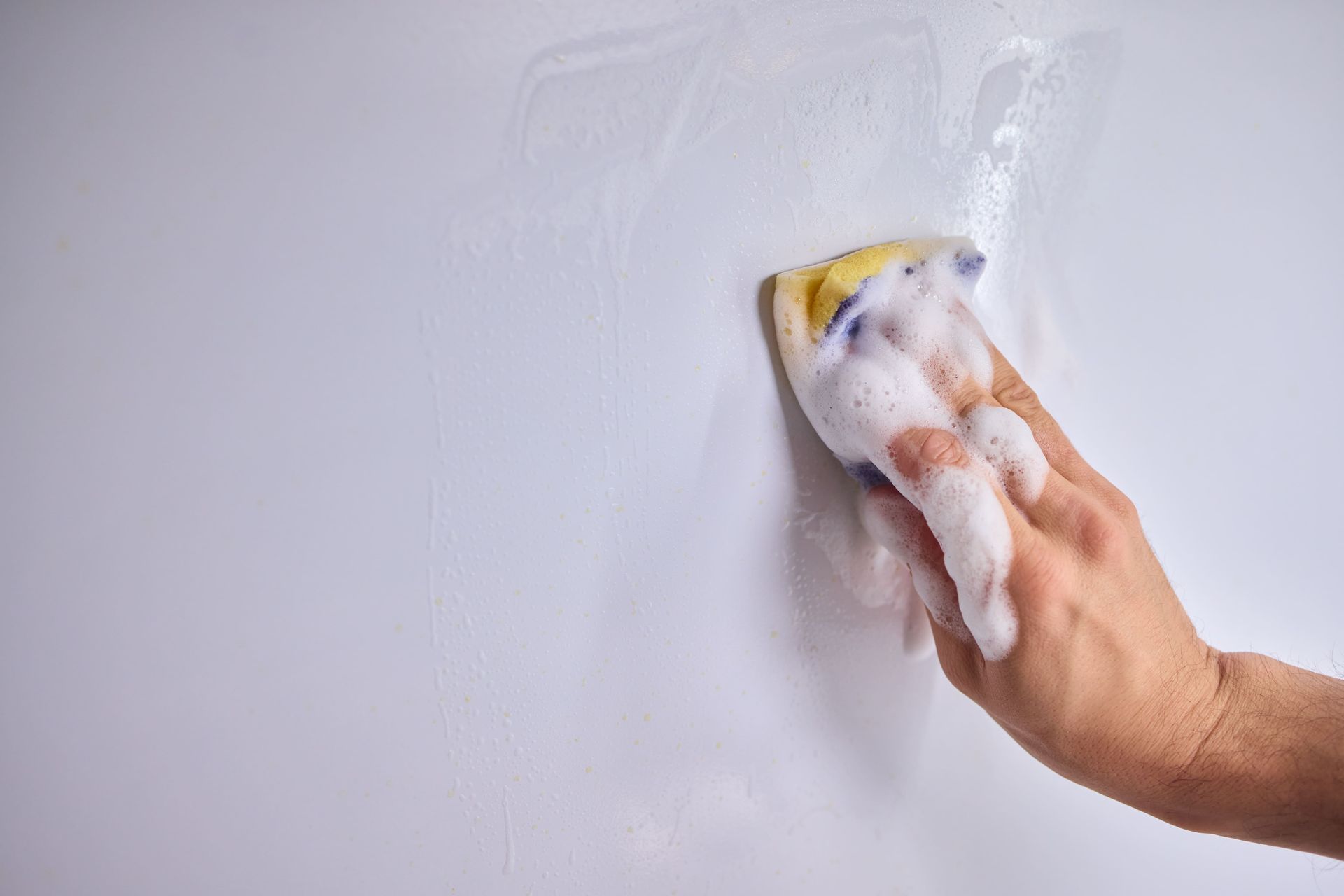
For water-safe items (like plain glass jars or rigid plastic bins), submerge the item in a basin of warm, soapy water for 10 to 15 minutes. Soaking softens the paper fibers and water-soluble backing adhesives naturally, allowing you to rub the residue away with a sponge.
3. Test an Approved Adhesive Remover
If soapy water leaves a gummy residue behind, apply a commercial adhesive remover (such as Goo Gone®; refer to Goo Gone's sticker removal guidance), rubbing alcohol, or a few drops of cooking oil to a cotton pad.
Let the Test Area Dry Before Proceeding
Dab your chosen solvent onto a small, inconspicuous spot (like the bottom edge of the container). Wait 3 to 5 minutes, wipe it clean, and inspect the spot under bright light. Check for surface cloudiness, color fading, or softening of the plastic before treating the entire sticky area.
4. Lift Softened Adhesive With a Non-Scratching Tool
Allow the tested solvent to sit on the residue for 2 to 3 minutes so it penetrates the adhesive bond. Use a flat plastic scraper, an old credit card, or a wooden popsicle stick to push the softened, gummy residue away. Avoid metal razor blades or kitchen knives, which easily gouge plastic and scratch glass.
5. Remove the Cleaner Residue
Many solvent removers and household oils leave an oily or chemical film behind. Wash the item thoroughly in warm water and dish soap to strip away all residual cleaner.
When drying your items and selecting wiping tools, cloth quality impacts final clarity; explore our guide on choosing a clean wiping cloth for lint-free results.
Vinegar, Oil, Alcohol, or Adhesive Remover?
When choosing a solvent, compare their compatibility profiles:
- Mild Dish Soap & Water: Safest starting point; zero risk of chemical damage, but requires more manual rubbing.
- Cooking Oil / Olive Oil: Excellent for breaking down sticky adhesive bonds naturally on glass and hard plastics without fumes; leaves an oily film that requires washing.
- Rubbing Alcohol (Isopropyl): Effective on glass, but can cloud certain plastics or strip painted markings.
- Commercial Adhesive Removers: Formulated specifically to dissolve sticky polymers, but must be checked for plastic compatibility per product labeling.
What to Do When Residue Will Not Budge
If adhesive resists soaking, oil, and mild alcohol, stop escalating. Do not reach for paint thinners, nail polish remover (acetone), or abrasive steel wool. Acetone will instantly melt and dissolve many common plastics. If a label refuses to budge on a delicate or unknown surface, accept minor residue or consult the manufacturer rather than ruining the item.
Avoiding New Adhesive Damage
Prevent sticky frustrations during future projects by adopting smart habits:
- Test Removable Labels: When applying decorative labels to storage containers, test them in a hidden corner first to ensure they peel cleanly later.
- Avoid Packing Tape on Plastics: Never apply heavy-duty packing or duct tape directly onto painted furniture, finished wood, or delicate plastic electronics, as their aggressive rubber adhesives cure and bond permanently over time.
Get Help With a Detail-Oriented Home Clean
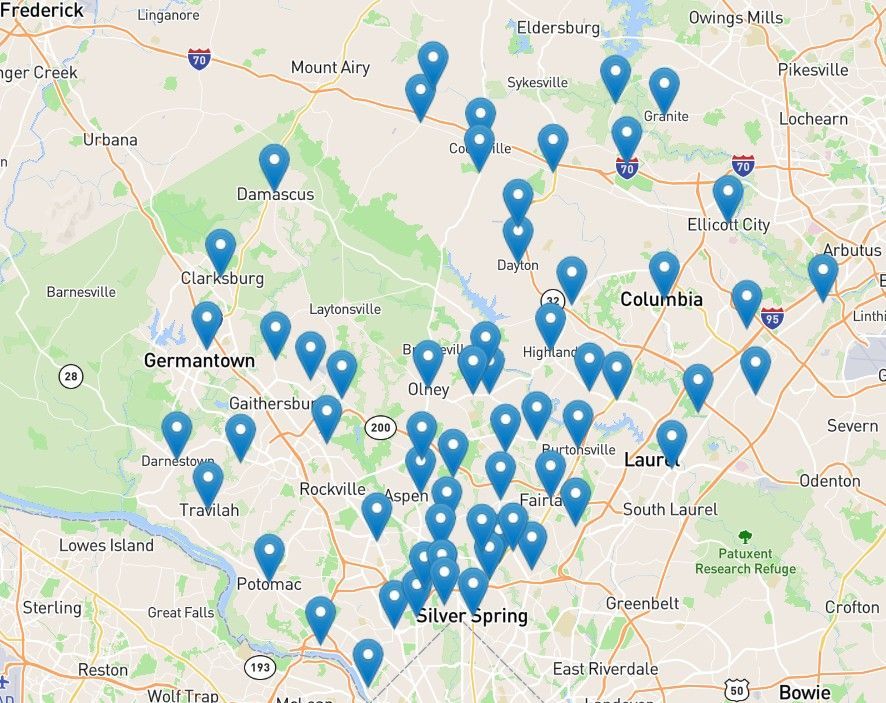
Tackling household organization—from setting up new pantry storage bins and glass jars to removing seasonal window decals—takes time and attention to detail. Star Maids Cleaning Solutions provides trusted, professional housekeeping services for homeowners across Montgomery and Howard County, Maryland.
Please note that while our professional teams deliver meticulous surface cleaning, dusting, and room housekeeping, specialized restoration tasks—such as removing heavy adhesive from delicate surfaces, repairing scratched plastic, or restoring damaged glass—fall outside standard residential cleaning scopes.
Looking for dependable support to keep your living spaces fresh and organized? Contact Star Maids Cleaning Solutions today to learn more about our detailed residential cleaning services and request your free personalized estimate!
Frequently Asked Questions
Can you use rubbing alcohol on every plastic surface?
No. Rubbing alcohol is not universally safe for all plastics. While rigid plastics like polypropylene often tolerate it, clear acrylic and polycarbonate plastics can craze, crack, or turn cloudy when exposed to isopropyl alcohol. Always patch-test first.
Is vinegar safe for removing stickers from glass?
Yes, white distilled vinegar is generally safe for ordinary glass and can help loosen light adhesive, though it is milder than commercial removers or rubbing alcohol. However, keep vinegar away from natural stone surfaces (like marble countertops) located near your glass-cleaning area.
Why did plastic turn cloudy after adhesive removal?
Plastic turns cloudy when a harsh chemical solvent (such as acetone or strong paint thinners) chemically attacks and melts the polymer surface, or when abrasive scrubbing pads micro-scratch the clear finish. If cloudiness occurs, the surface damage is permanent.
How do you remove sticker residue without scratching?
To remove residue without scratching, soften the adhesive using warm soapy water, cooking oil, or an approved adhesive remover, and gently push the gummy residue away using a plastic scraper or wooden stick rather than metal blades.
How should you clean a food container after using remover?
After using commercial adhesive removers or household oils, wash the food container thoroughly with warm water and heavy-duty dish soap, rinse it multiple times, and verify that the product label confirms food-contact safety before storing edible items inside.