
How to Clean Windows Without Streaks?
Clean, crystal-clear windows instantly brighten your entire home, letting natural sunlight flood your living spaces. However, nothing is more frustrating than spending time washing glass panes only to step back and find an annoying web of hazy streaks and smudges once the sun hits them.
Streaks are usually caused by leftover soap residue, dirty cleaning cloths, or washing glass while it is heated by direct sunlight. Knowing the right techniques, tools, and habits ensures perfectly streak-free windows every time.
Quick answer: why windows streak after cleaning
- Too Much Cleaner: Over-saturating the glass leaves an invisible film of surfactant residue that catches dust and light.
- Dirty Cloths: Reusing a towel that holds trapped dirt, oils, or previous cleaner smears grime back across the glass.
- Direct Sunlight: Washing windows on a hot, sunny day causes the cleaning solution to evaporate too quickly, baking a soapy film onto the glass.
- Hard Water Residue: Minerals left behind by tap water create cloudy spots as the moisture dries.
Best tools for streak-free windows
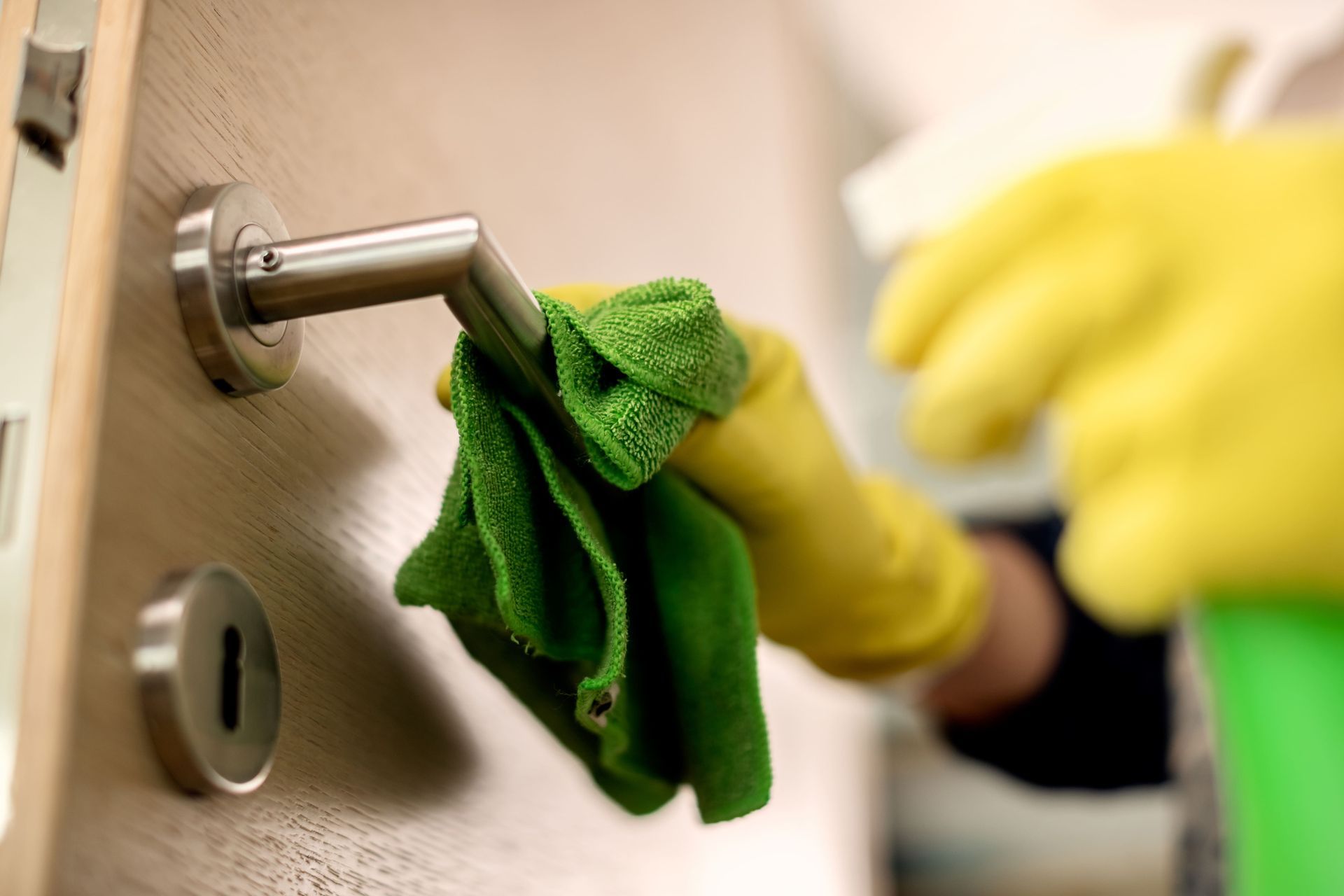
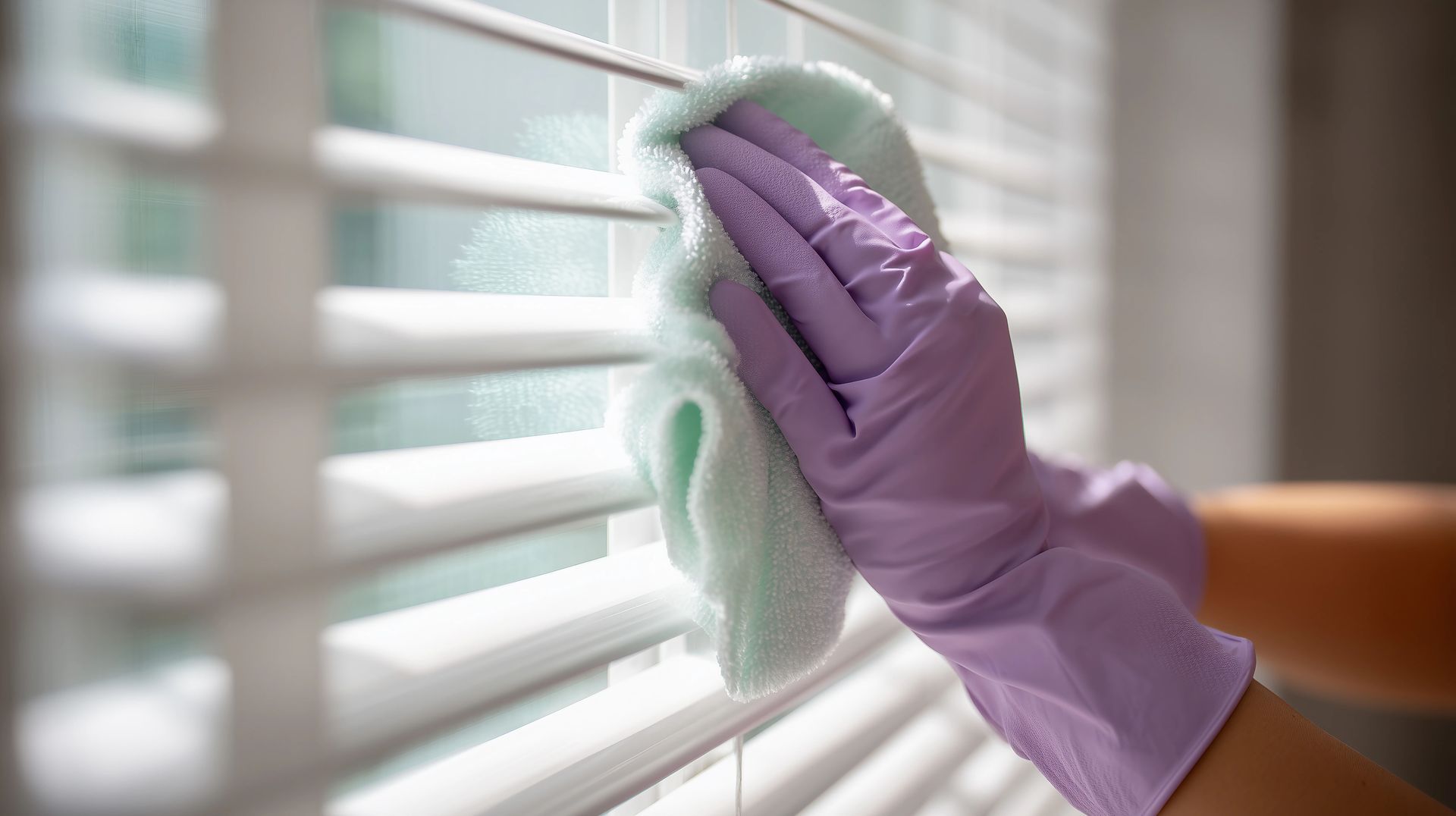
- Microfiber Cloths: Tightly woven microfiber traps dust and lifts moisture cleanly without shedding fibers. (For a deeper look into why cloth selection matters, check out our guide on microfiber cloth vs paper towels).
- Squeegee: A professional-grade rubber squeegee provides the fastest, most uniform streak-free finish for large glass panes.
- Glass-Safe Cleaner: Use a specialized streak-free commercial glass cleaner or a simple DIY mixture of equal parts white vinegar and distilled water.
- Dry Detailing Cloth: A clean, dry waffle-weave cloth for final touch-ups.
Why paper towels can leave lint behind
Paper towels often leave behind microscopic wood-fiber lint and chemical residues from recycled paper processing, resulting in a hazy, textured film on clean glass.
Step-by-step window cleaning method
Dust frames and sills first
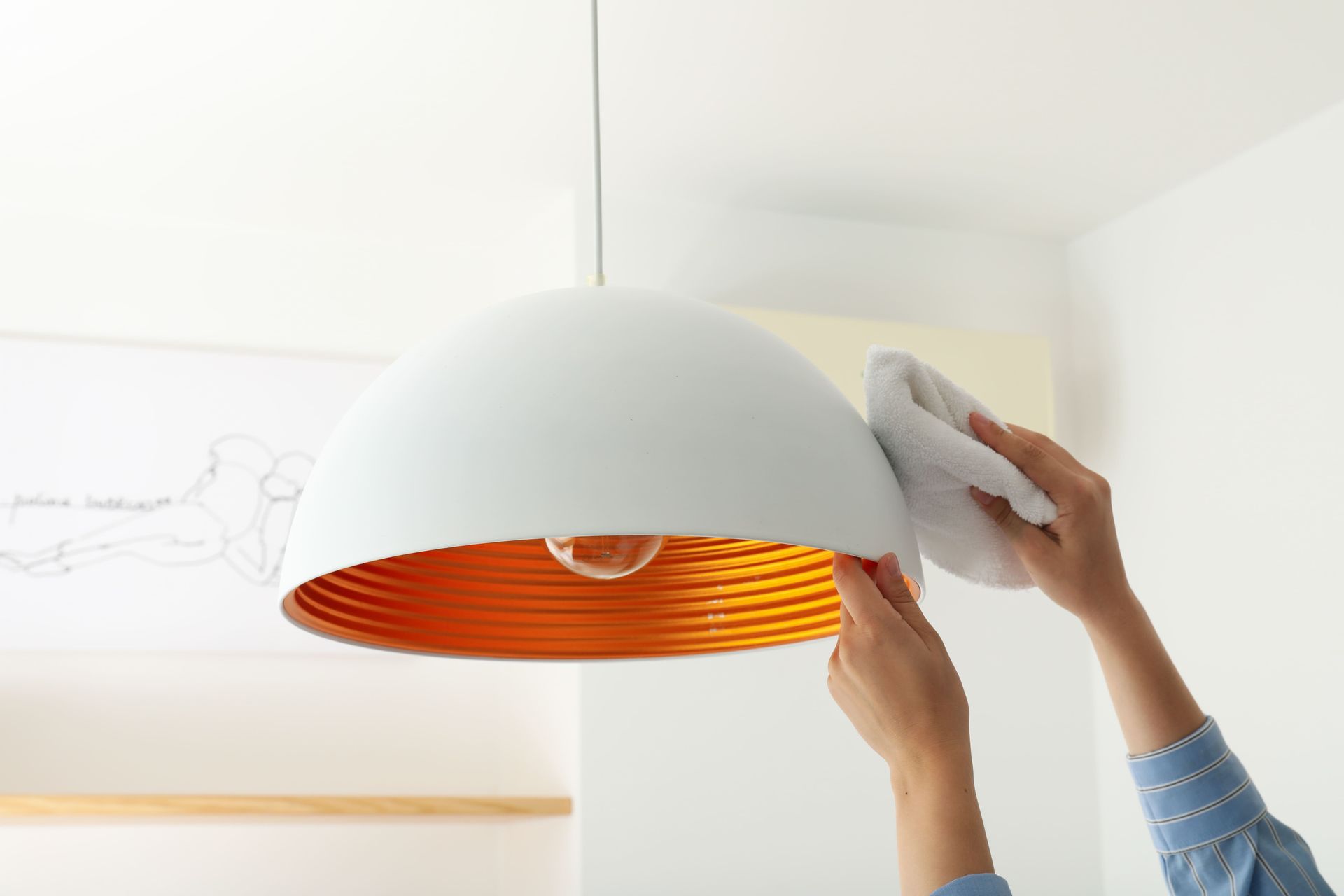
Before introducing any moisture, wipe down the window frame, sills, and blinds to prevent loose dust and cobwebs from mixing with your cleaner and turning into muddy streaks.
Apply cleaner lightly
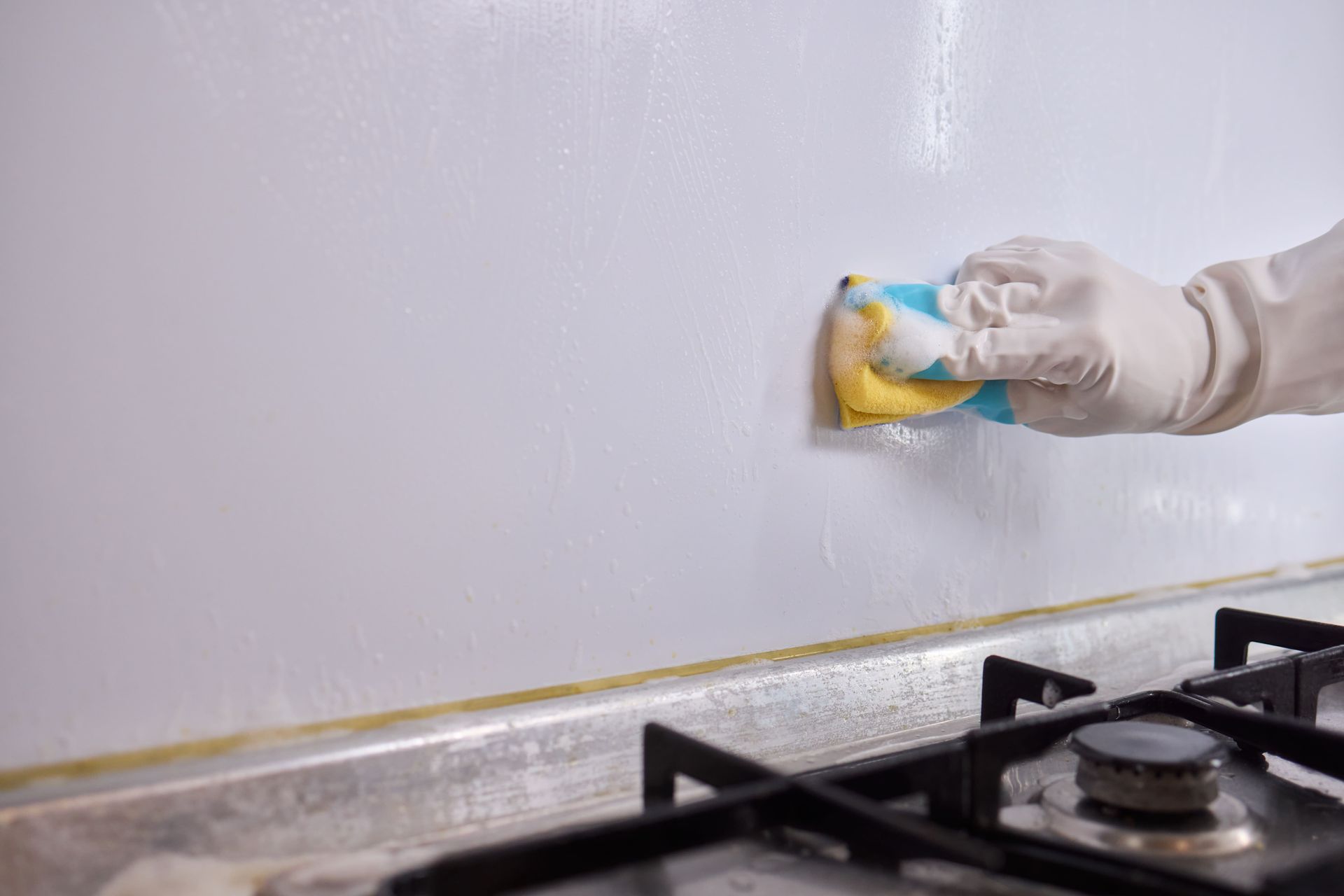
Lightly mist your glass cleaner onto your microfiber cloth or directly onto the window in a manageable spray pattern—avoid drenching the glass.
Wipe from top to bottom
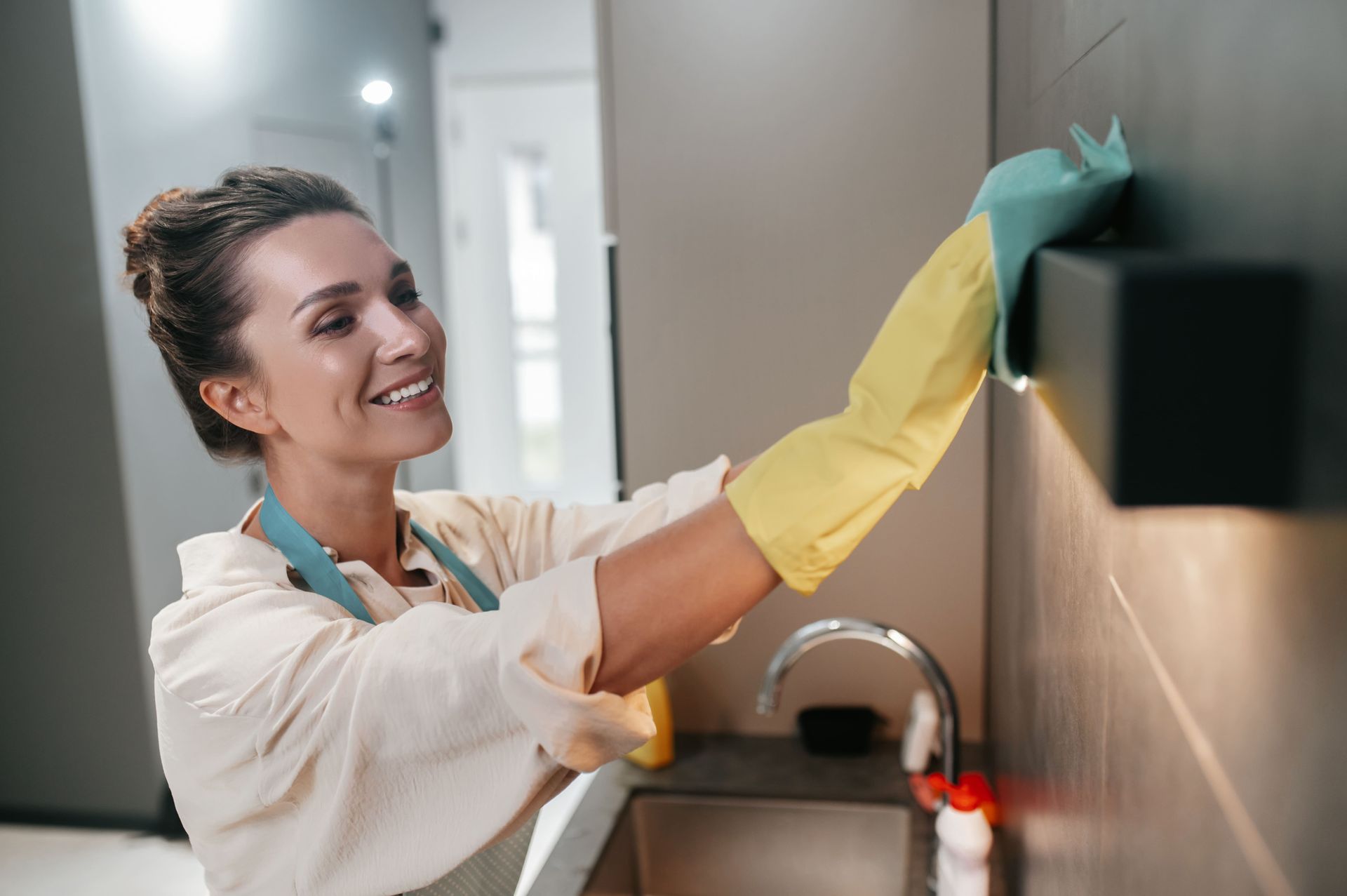
Work systematically from the top of the window downward, using an "S" pattern or overlapping horizontal strokes to capture all liquid evenly.
Dry edges and corners
Use a dry detailing cloth to wipe away any moisture pooling along the bottom corners and window frame edges.
How to handle fingerprints and smudges
For isolated greasy fingerprints, dab a small amount of rubbing alcohol onto a microfiber cloth to cut through skin oils instantly before wiping the rest of the glass.
How to clean different window areas
- Interior Glass: Focus on removing everyday dust, cooking oils (near kitchens), and hand smudges.
- Window Tracks: Vacuum out loose dirt and scrub trapped grime using an old toothbrush and mild soapy water.
- Sills and Frames: Wipe down painted or wooden trim to prevent dust buildup from transferring back onto the glass.
- Mirrors and Glass Doors: Apply the same streak-free glass-cleaning techniques to bathroom mirrors and patio sliding doors.
Common mistakes that leave streaks
- Using Too Much Product: Applying excess soap creates a gummy film that requires multiple rinse steps to remove.
- Reusing Dirty Towels: Swapping to a clean, dry section of your microfiber cloth prevents you from redistributing dirt.
- Skipping Dust Removal First: Mixing dry surface dust with glass cleaner guarantees a smeared, hazy finish.
When professional cleaning helps
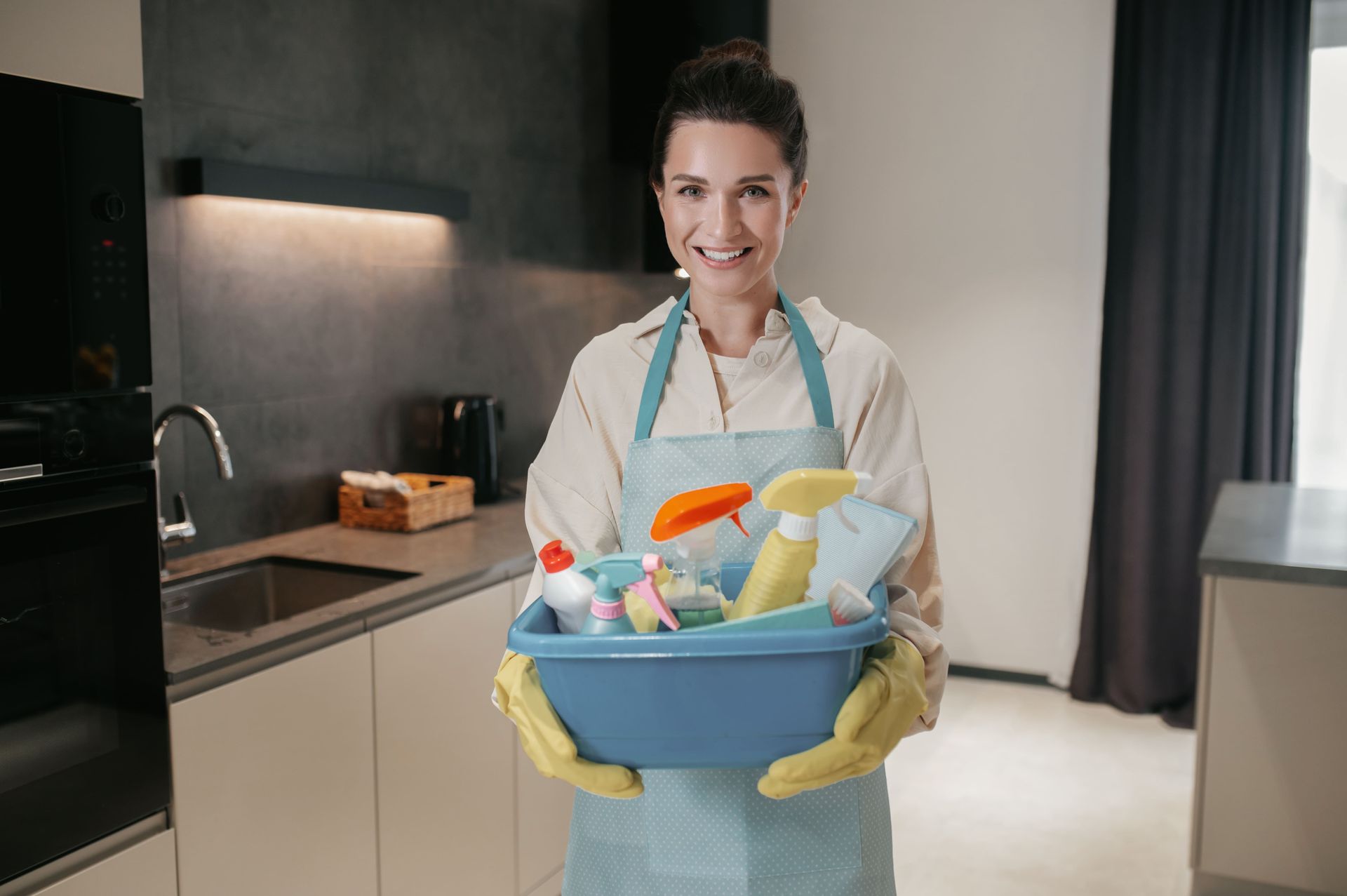
Recurring home cleaning for windowsills, glass doors, fingerprints, and dust control
While keeping interior window glass sparkling is a great DIY task, managing whole-house dust, smudged sliding glass doors, and detailed windowsills takes consistent effort. Partnering with a reliable recurring house cleaning service keeps your entire home polished, dust-free, and effortlessly pristine.
FAQ
What is the best way to clean windows without streaks?
The best way is to use a mild glass cleaner (or vinegar-water mix), apply it lightly, wipe with a clean microfiber cloth or professional squeegee, and dry the surface immediately before sunlight causes rapid evaporation.
Is vinegar good for cleaning windows?
Yes. Equal parts white vinegar and distilled water make an exceptional, eco-friendly glass cleaner that cuts through grime and evaporates without leaving heavy chemical residues.
Why do my windows look cloudy after cleaning?
Windows often look cloudy because of leftover soap residue, dirty wiping cloths, hard water mineral deposits, or cleaning while the glass is hot from direct sunlight.
Should you use microfiber or paper towels on glass?
Always use microfiber. Paper towels shed lint and leave behind chemical binders that create streaks on glass surfaces.