
How to Clean Stainless Steel Pans Without Scratching Them?
Heavy holiday cooking—from searing roasts to simmering gravies—puts stainless steel cookware through intense heat cycles. Learning how to clean stainless steel pans properly keeps your cooking surfaces smooth, functional, and free from deep scratches, cloudiness, or warping without relying on harsh scouring pads that ruin metal finishes.
Unlike wiping down brushed stainless steel refrigerator doors or scrubbing removable cast-iron stove grates, cleaning cookware interiors requires managing baked-on food proteins, mineral film from boiling water, and thermal heat tints directly on the cooking surface.
What Is the Safest Way to Clean Stainless Steel Pans?
The safest way to clean stainless steel cookware is to let the pan cool completely, loosen stuck food using a manufacturer-approved soaking or gentle simmer method, wash with warm soapy water and a non-abrasive sponge, rinse thoroughly, and dry immediately with a soft towel.
Following a gentle, gradual approach removes stubborn cooking residue while preserving the pan's structural integrity. Keep in mind that cleaning removes surface deposits and discoloration, though normal cooking wear and fine utensil marks will naturally develop over years of kitchen use.
Identify the Pan Before Choosing a Cleaner
Before reaching for a scrub pad or specialty cleanser, inspect your cookware's construction. Many modern pans combine stainless steel with other metals or coatings that require different care rules:
Uncoated Stainless Steel Interior
- Surface Characteristics: Bare, polished, or brushed stainless cooking surface.
- Safe Cleaning Approach: Warm soapy water, non-abrasive pads, or manufacturer-approved stainless cleanser (e.g., Bar Keepers Friend).
- What to Avoid: Steel wool, metal scrapers, chlorine bleach, and cold-water thermal shock.
Nonstick-Coated Stainless Pan
- Surface Characteristics: Stainless exterior with a dark PTFE or ceramic nonstick interior.
- Safe Cleaning Approach: Soft sponge or microfiber cloth with mild dish soap only.
- What to Avoid: Abrasive powders, scouring pads, and high-heat boil-cleaning.
Exposed Aluminum Exterior / Rim
- Surface Characteristics: Tri-ply or clad pans with exposed aluminum edges or brushed aluminum bases.
- Safe Cleaning Approach: Hand-wash gently with mild dish soap and warm water; dry immediately.
- What to Avoid: Harsh dishwasher detergents or caustic alkaline cleaners that oxidize and pit aluminum.
Copper-Core or Copper Exterior
- Surface Characteristics: Stainless interior paired with decorative or heat-conductive copper bands/bases.
- Safe Cleaning Approach: Mild dish soap for daily washing; dedicated copper polish on exterior copper only.
- What to Avoid: Abrasive scrubbing pads on exterior copper; automatic dishwasher cycles.
Stainless Steel Is Not the Same as a Nonstick Coating
A cleaning method that is completely safe for bare stainless steel can permanently ruin another surface on the exact same pan. For example, using a mild abrasive powder on a stainless steel pan with a nonstick interior will strip the nonstick coating, while placing a clad pan with an exposed aluminum rim into the dishwasher can cause the aluminum edge to erode and become sharp. Always match your cleaning method to the most delicate material on the pan.
Clean Everyday Food Residue Step by Step
For routine meals and daily holiday prep, follow this controlled sequence to wash your cookware safely:
- Allow the Pan to Cool Completely: Remove the pan from the burner and let it reach room temperature on a heat-safe trivet or stove grate.
- Pre-Soak Stuck Food When Permitted: Fill the cooled pan with warm water and a few drops of mild liquid dish soap. Let it soak for 15 to 20 minutes to soften cooked-on sauces and starches.
- Wash Gently With a Non-Abrasive Sponge: Use a soft cellulose sponge, nylon mesh scrub pad, or soft dishcloth to wash the interior and exterior in circular motions.
- Rinse Thoroughly With Warm Water: Wash away all soap suds and loosened food particles so no detergent film remains on the metal.
- Dry Immediately With a Soft Towel: Wipe the pan completely dry using a clean microfiber or cotton dish towel to prevent mineral water spots, then place it on a dry surface—such as after cleaning quartz countertops—before storing.
Let the Pan Cool Before Adding Water
Never run cold tap water into a smoking-hot stainless steel pan. Sudden, extreme temperature drops cause thermal shock, which permanently warps the metal base so the pan no longer sits flat on your cooktop. Always follow your cookware manufacturer's cooling guidelines before introducing water.
Loosen Residue Without Steel Wool
If food remains stuck after a warm soapy soak, escalate gently rather than grabbing steel wool:
- Simmer-Loosen Method: Add enough water to cover the stuck food residue, bring it to a gentle simmer on the stovetop for a few minutes, let it cool, and lift the softened bits with a wooden or silicone spatula.
- Non-Abrasive Scrubbing Tools: Use only manufacturer-permitted tools such as non-scratch nylon pads, soft brushes, or paste made with a brand-approved stainless steel cleanser.
Burnt Food, White Deposits, or Rainbow Discoloration?
Different cooking reactions leave distinct visual marks on stainless steel. Identify the exact issue before choosing a treatment:
Charred, Burnt-On Food
- Underlying Cause: Overheated oils, sugars, or proteins carbonized onto the steel surface.
- Approved Treatment Response: Cool pan, soak in warm soapy water or simmer plain water to loosen, then clean gently with a manufacturer-approved non-abrasive cleanser and soft pad.
Chalky White Spots / Film
- Underlying Cause: Calcium and mineral deposits left behind by hard water or starchy boiling water.
- Approved Treatment Response: Wipe the cooled pan with a soft sponge dampened with a mild white vinegar-and-water solution (per manufacturer guidance), rinse well, and dry immediately.
Rainbow / Blue Heat Tint
- Underlying Cause: High cooking temperatures causing a harmless, microscopic oxidation layer on chromium.
- Approved Treatment Response: Clean the cooled surface with a manufacturer-recommended stainless steel cleanser or diluted white vinegar wipe, followed by thorough rinsing and drying.
Choose One Approved Treatment at a Time
Never mix household cleaning products—such as combining vinegar with bleach or ammonia—and never apply caustic commercial oven cleaners to stovetop cookware. Oven cleaners are formulated for heavy porcelain oven cavities and can damage cookware metals, rivets, and exterior trims. Stick to one manufacturer-approved cookware cleanser at a time and rinse thoroughly between steps.
When the Finish Is Pitted or the Coating Is Damaged
If you inspect your pan and notice tiny dark pinholes (pitting from salt added to cold water), delaminating metal layers, or scratched nonstick coatings, stop scrubbing. Cleaning products cannot repair physical metal pitting or worn coatings; consult your cookware manufacturer's warranty or care department for replacement guidance.
What Should Never Go on Your Pan?
Protect your investment by keeping these damaging tools and habits away from stainless steel cookware:
- Steel Wool and Metal Scourers: Leave deep, permanent gouges in the steel that trap future food particles and make the pan harder to clean.
- Chlorine Bleach and Harsh Chloride Cleaners: React chemically with stainless steel, causing irreversible corrosion and surface pitting.
- Cold Water on Hot Metal: Causes base warping and uneven heat distribution during future cooking.
- Metal Knives or Sharp Scrapers: Gouge the cooking surface when used to chip away burnt food.
Keep Thanksgiving Cleanup Manageable
Holiday meal preparation involves far more than stovetop skillets. Once your cookware is soaking or drying on the rack, tackle surrounding cooking surfaces systematically—starting with cleaning stove grates once burners have cooled, wiping down range backsplashes, and handling heavy roasting pans or cleaning baking sheets separately so your kitchen stays functional throughout Thanksgiving week.
Keep Your Home Ready With a Cleaning Plan That Fits
While caring for your personal cookware and washing dishes are daily kitchen routines handled by the household, keeping the rest of your home spotless before and after holiday hosting takes serious time.
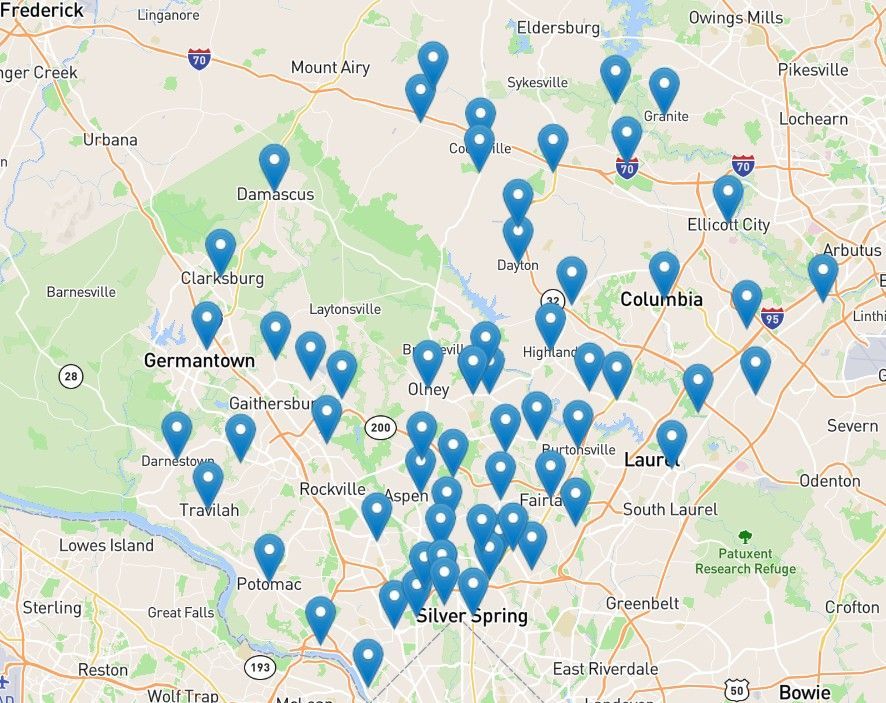
If you live in Montgomery County or Howard County, Maryland—from Bethesda and Silver Spring to Columbia and Ellicott City—Star Maids can take care of your living areas, bathrooms, floors, and kitchen surfaces. Note that per our service guidelines, our cleaning teams do not wash personal dishes, pots, or pans, focusing instead on sanitizing countertops, sinks, appliance exteriors, and surrounding spaces. Explore our options for residential and one-time deep cleaning to find a schedule that fits your home.
Frequently Asked Questions
Can stainless steel pans go in the dishwasher?
Check your specific cookware collection's care instructions before using a dishwasher. Even when a manufacturer lists stainless steel pans as dishwasher-safe, harsh automatic dishwasher detergents and high heat can dull the exterior shine over time or oxidize exposed aluminum rims on clad pans.
How do you clean burnt stainless steel pans?
Start by letting the pan cool completely, then follow your cookware manufacturer's approved loosening method—such as soaking in warm soapy water or gently simmering plain water to lift charred residue—before washing with a non-abrasive pad and an approved stainless cleanser.
Why does my stainless steel pan have rainbow stains?
Rainbow or bluish tints are harmless heat discoloration caused when high stovetop temperatures react with the chromium in stainless steel, rather than leftover food residue. You can typically remove heat tint using a manufacturer-approved stainless steel cleanser or a diluted white vinegar wipe, followed by thorough rinsing and drying.
Can I use steel wool on stainless steel cookware?
No. Steel wool and harsh metal scouring pads scratch stainless steel surfaces, creating microscopic grooves where food sticks more easily in the future. Use only manufacturer-permitted non-abrasive sponges, nylon pads, or soft cloths.
Will house cleaners wash my pots and pans?
No. Under Star Maids' customer guidelines, washing personal dishes, pots, and pans is outside our cleaning scope. Our technicians focus on cleaning and sanitizing kitchen countertops, sinks, cabinet exteriors, appliance fronts, and floors while you handle personal cookware care.