
Bagged vs Bagless Vacuum: Which Is Better for Your Home?
Choosing a new vacuum cleaner often starts with deciding between a bagged or bagless model. While both styles pull dirt and pet hair out of your living spaces, their waste containment and maintenance requirements differ significantly. Evaluating whether a bagged or bagless vacuum is better for your home depends on how you prefer to handle collected dust, your willingness to buy replacement bags versus washing filters, and your household's specific cleaning needs.
Before selecting an appliance, it is helpful to understand how different floor-care tools fit into your routine. For guidance on choosing between sweepers and vacuums for hard surfaces, review our guide comparing a vacuum versus broom for hard floors.
Is a Bagged or Bagless Vacuum Better?
Neither design is universally superior. Bagged vacuums excel at hygienic dust disposal by sealing dirt inside a disposable envelope, making them convenient for frequent allergy-conscious upkeep. Bagless vacuums offer the convenience of reusable plastic collection bins, eliminating ongoing supply purchases, though they require regular filter washing and careful bin emptying to control dust clouds.
Bagged vs Bagless at a Glance
Compare the key operational differences between bagged and bagless vacuum designs across standard maintenance categories:
Emptying & Waste Disposal
- Bagged Vacuum Cleaners: Toss the sealed, full bag straight into the trash without touching dust.
- Bagless Vacuum Cleaners: Empty the plastic dust canister over a trash can; potential for dust puffing.
Filter Maintenance
- Bagged Vacuum Cleaners: Often uses low-maintenance secondary filters; bags act as primary filtration.
- Bagless Vacuum Cleaners: Requires regular washing and drying of pre-filters and HEPA elements.
Ongoing Consumables
- Bagged Vacuum Cleaners: Ongoing cost and requirement to purchase brand-compatible replacement bags.
- Bagless Vacuum Cleaners: No replacement bags needed; occasional filter replacements over time.
Collection Capacity
- Bagged Vacuum Cleaners: Generally holds a high volume of compressed dirt before airflow drops.
- Bagless Vacuum Cleaners: Capacity varies; transparent bins show fill levels and accidentally vacuumed items.
Storage Requirements
- Bagged Vacuum Cleaners:Compact canisters or uprights; requires spare bag storage.
- Bagless Vacuum Cleaners: Sleek, single-unit storage; requires clean bin and filter upkeep.
Floorhead Suitability
- Bagged Vacuum Cleaners: Excellent across multi-surface pile heights with correct height settings.
- Bagless Vacuum Cleaners: Versatile across hard floors and carpets when equipped with matching attachments.
How Bagged Vacuums Collect Dirt
Bagged vacuums route sucked-in debris directly into a multi-layer fabric or paper dust bag that acts as the primary filtration barrier. As air flows through the porous bag walls, dust and pet hair remain trapped inside. When the bag reaches capacity, you remove the sealed bag and discard it.
Advantages and Trade-Offs
- Advantages: Bagged models minimize direct human contact with fine dust. As the bag fills, it compresses debris, and replacing the bag restores original airflow and suction performance cleanly.
- Trade-Offs: You must maintain a supply of replacement bags compatible with your specific model. If you run out of bags, you cannot operate the machine until new ones arrive.
How Bagless Vacuums Collect Dirt
Bagless vacuums use centrifugal cyclonic force or direct suction to spin dust and debris into a transparent plastic collection bin. Air is then forced through a series of foam or pleated filters before exiting the exhaust port.
Advantages and Trade-Offs
- Advantages: You never need to buy replacement bags. A clear collection bin lets you see when the unit is full and makes it easy to retrieve an accidentally vacuumed wedding ring or small toy.
- Trade-Offs: Emptying a plastic bin can release a cloud of fine dust into the air, requiring care if you are sensitive to dust. Furthermore, bagless models demand consistent filter washing and drying to maintain peak suction.
Which Design Works Better for Different Homes?
Different household layouts and daily challenges benefit from tailored vacuum designs:
Homes With Pets and Heavy Debris
Homes with shedding dogs or cats generate high volumes of hair, dander, and tracked-in grit. When tackling stubborn pet hair embedded in upholstered furniture and carpets, managing debris containment matters (for specialized fabric care tips, see our guide on removing pet hair from furniture and carpet).
- Bagged vacuums handle large volumes of pet hair efficiently by compacting fur inside the bag without clogging fine pleated filters.
- Bagless vacuums let you empty the bin after every heavy cleaning session, preventing pet odors from lingering inside the machine.
People Concerned About Dust Exposure
If minimizing indoor dust release during maintenance is a priority, consider how each machine handles emptying. Bagged models enclose the collected debris in a sealed pouch. Bagless models require dumping a plastic tub into a trash can, which can disperse fine particulate matter into the room.
HEPA Filter vs a Sealed Filtration System
Many buyers assume that seeing "HEPA filter" on a box guarantees zero dust emissions. According to manufacturer engineering standards (such as Miele's HEPA filtration insights), both bagged and bagless vacuums can feature HEPA filtration. However, a HEPA filter only captures microscopic particles if the entire vacuum chassis is engineered with a fully sealed system preventing air from leaking out around door seals or collection bins.
Small Homes and Mixed Flooring
For apartments, condos, or homes with mixed hard flooring and low-pile rugs, maneuverability and easy storage are vital. Bagless stick vacuums offer lightweight, nimble performance for quick daily pickups, whereas bagged canister models provide heavy-duty suction for expansive multi-floor homes.
What Costs Should You Compare?
When evaluating the total cost of ownership between bagged and bagless vacuums, consider:
- Consumables: The recurring cost of purchasing manufacturer-approved replacement bags for bagged units.
- Maintenance Supplies: The potential cost of replacing washable filters or belts over the lifetime of a bagless machine.
- Time Investment: The labor of washing, rinsing, and waiting 24 hours for bagless filters to dry versus simply tossing a full bag into the trash.
A Short Checklist Before Choosing a Vacuum
Before purchasing a vacuum cleaner, review this quick decision checklist:
- [ ] Floor Compatibility: Does the floorhead adjust effectively for your specific mix of hard floors and carpets?
- [ ] Consumable Availability: Are replacement bags or filters easy to source for the model?
- [ ] Emptying Preference: Do you prefer tossing a sealed bag or emptying a washable plastic bin?
- [ ] Maintenance Effort: Are you comfortable washing and drying filters regularly?
- [ ] Manufacturer Instructions: Does the owner's manual align with your household cleaning expectations?
What a Vacuum Cannot Replace
While choosing the right vacuum is essential for dry dust and debris removal, vacuuming alone cannot handle every household cleaning challenge. Wet spills, greasy kitchen splatters, and deeply stained surfaces require manual washing, specialized cleaning solutions, or dedicated floor mops.
Combine the Right Tools With Recurring Home Care
Selecting the ideal vacuum cleaner ensures your floors stay fresh between major housekeeping visits. However, keeping an entire home impeccably clean takes consistent time and effort.
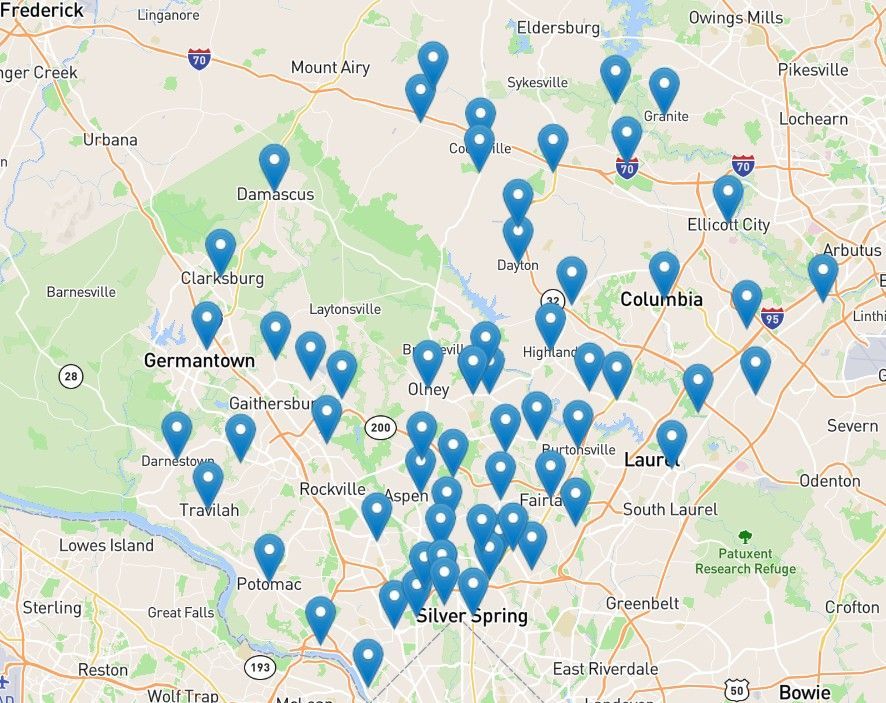
Star Maids Cleaning Solutions provides trusted, professional housekeeping services for homeowners across Montgomery and Howard County, Maryland. We partner with families to maintain pristine living spaces, using your preferred tools and equipment while our professionals deliver meticulous surface care.
Ready to enjoy a consistently clean home without the weekend chores? Contact Star Maids Cleaning Solutions today to learn more about our professional recurring cleaning services and request your free personalized estimate!
Frequently Asked Questions
Are bagged vacuums always better for allergies?
Not automatically. While bagged vacuums prevent dust clouds during disposal, allergy performance depends on the completeness of the machine's sealed filtration system and whether it incorporates a certified HEPA filter, rather than the bag design alone.
Do bagless vacuums lose suction faster?
Suction loss in bagless vacuums typically happens when fine dust cakes onto unwashed filters or when the collection bin is overfilled. With diligent filter washing and timely bin emptying, bagless vacuums maintain strong suction performance.
Are bagged vacuums more expensive to own?
Bagged vacuums incur ongoing expenses for replacement bags. However, bagless vacuums may occasionally require purchasing replacement filters or replacement bins if neglected, making long-term cost comparisons largely dependent on user maintenance habits.
Can a bagless vacuum have a HEPA filter?
Yes. Many high-end bagless vacuums incorporate true HEPA filtration to trap microscopic allergens. However, checking whether the entire appliance is a sealed system is essential to ensure exhaust air does not bypass the filter.
Which vacuum type is best for hardwood and carpet together?
Both bagged and bagless vacuums handle mixed flooring effectively, provided they feature manual height adjustments or brush-roll shutoff switches that allow you to transition smoothly from deep carpet fibers to bare hard floors.