
How to Clean Plastic Food Containers Before Storing Leftovers?
Whether you are packing away Thanksgiving turkey, gravy, and cranberry sauce or organizing weekly meal prep, reusable plastic food containers work overtime in every kitchen. Over months of use, however, lids trap grease in narrow grooves, tomato sauces leave orange tints, and lingering food smells refuse to rinse away.
Learning how to clean plastic food containers properly—covering removable bases, snapping lids, and silicone seals—keeps your storage collection hygienic, dry, and ready for leftovers without warping the plastic or scratching interior surfaces.
How Do You Clean Plastic Food Containers Safely?
The safest way to clean plastic food containers is to empty all food residue promptly, wash the base, lid, and any removable seals separately with warm water, mild dish soap, and a non-abrasive sponge (or follow manufacturer dishwasher instructions), rinse thoroughly, and allow every piece to air-dry completely before closing or stacking.
When inspecting freshly washed containers, it helps to separate surface residue from cosmetic staining:
- Surface Residue: Greasy films, dried food particles, or cloudy detergent buildup feel slick or tacky to the touch and must be washed away completely before reuse.
- Cosmetic Staining: Orange or yellow tints from tomato sauce, curry, or turmeric occur when natural pigments bond lightly with porous plastic polymers. A container that has been thoroughly washed, rinsed, and dried is clean and safe to use even if faint color tinting remains.
Check the Container, Lid, and Seal Separately
A single food storage container often combines two or three different polymers—such as a rigid copolyester base, a flexible polypropylene lid, and a soft silicone gasket. Each component has its own care rules:
Container Base
- Handwashing Guidance: Wash with warm soapy water and a soft sponge; avoid abrasive scrubbers.
- Dishwasher Rack Position: Top rack recommended unless manufacturer explicitly permits bottom rack.
- Heat & Microwave Limits: Check bottom stamp for microwave and high-heat limits; avoid overheating sugary or oily foods.
- Seal / Gasket Care: Inspect rim edges for nicks or warping that prevent airtight closure.
Snap / Latch Lid
- Handwashing Guidance: Wash perimeter channels and locking tabs thoroughly with mild dish soap.
- Dishwasher Rack Position: Top rack only to keep thin plastic and locking latches away from heating elements.
- Heat & Microwave Limits: Vent latches or remove lid before microwaving per product instructions.
- Seal / Gasket Care: Do not bend or force stiff latches during washing.
Removable Silicone Seal
- Handwashing Guidance: Wash gently with warm soapy water using fingers or a soft brush.
- Dishwasher Rack Position: Top rack (in a small utensil basket) if permitted by manufacturer.
- Heat & Microwave Limits: Keep away from direct stove heat or high-heat dryer cycles.
- Seal / Gasket Care: Remove only if designed for homeowner removal; dry completely before reseating.
Not Every Plastic Container Has the Same Heat Limits
Never assume all plastic containers share identical dishwasher or microwave tolerances. Lightweight deli tubs, single-use takeout containers, and older BPA-era plastics warp quickly under dishwasher sanitizing cycles or microwave heat, whereas engineered food-storage lines specify exact top-rack and venting instructions. Always check the molded symbols on the bottom of both the base and the lid before applying heat.
Wash Containers and Lids Step by Step
Follow this consistent routine after emptying leftovers so grease and odors do not settle into the plastic:
- Empty Food Scraps and Rinse Promptly: Scrape leftover food into the trash and rinse the container with warm water right away—especially after storing tomato-based, oily, or pungent dishes.
- Separate the Base, Lid, and Designed-to-Remove Seals: Take apart all modular pieces so soap and water reach hidden crevices.
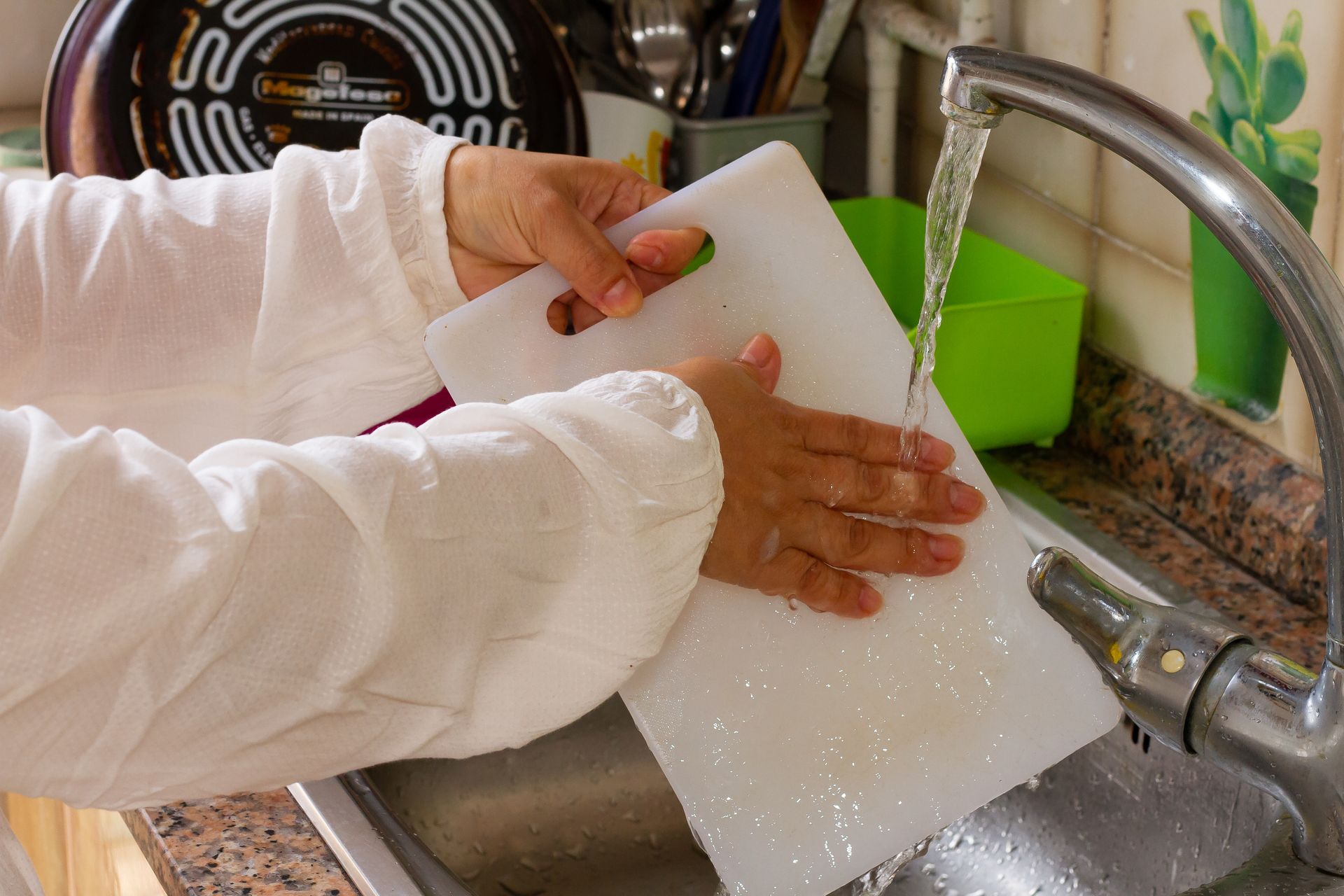
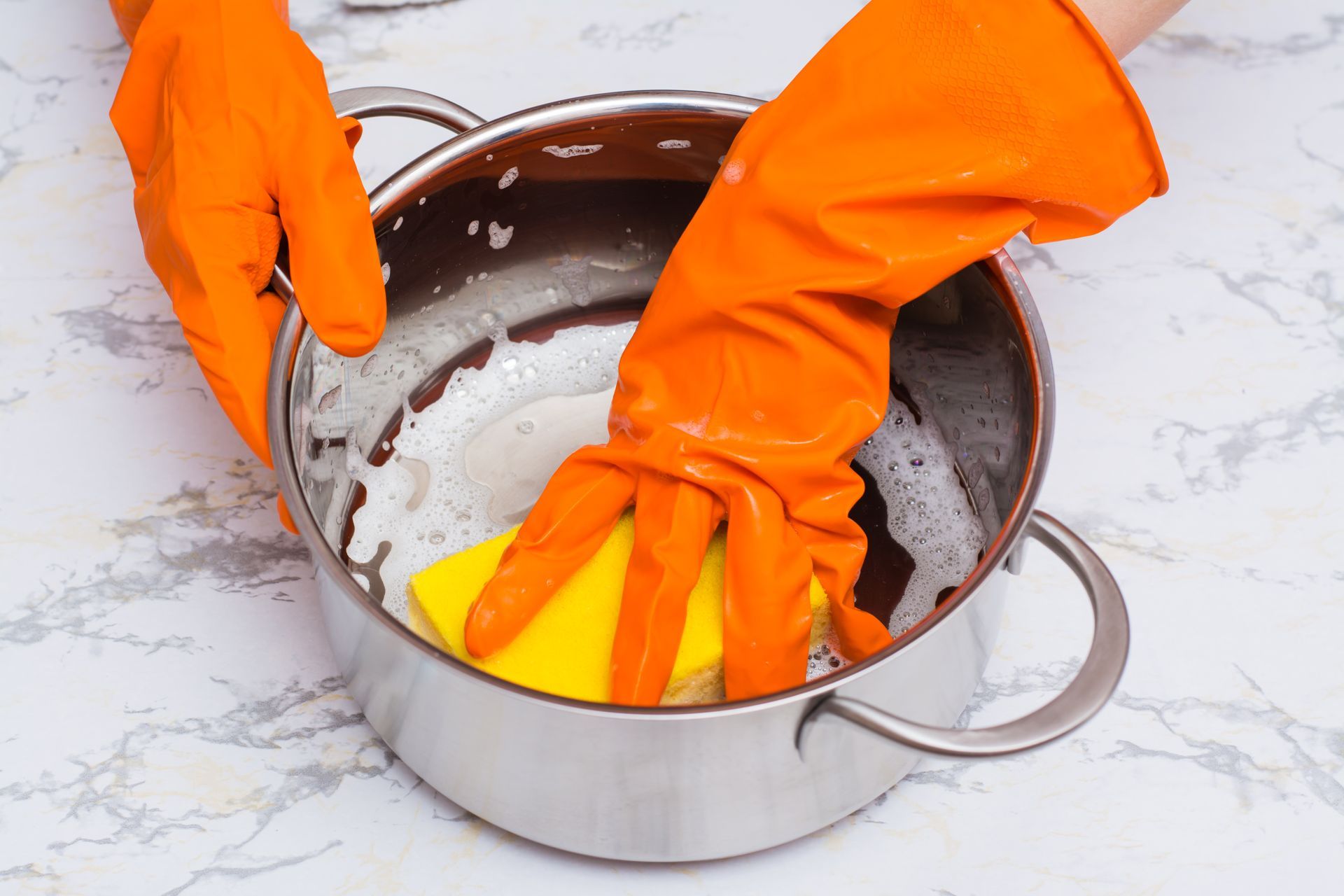
- Wash Gently With Warm Soapy Water: Use mild liquid dish soap and a soft sponge or microfiber dishcloth to wash interior corners, exterior walls, and lid rims.
- Clean Accessible Crevices: Use a soft bottle brush or detail brush to clear trapped food film inside narrow lid channels without gouging the plastic.
- Rinse Thoroughly and Dry Open: Rinse away all suds with clean water, shake off excess droplets, and set bases and lids separately on a drying rack until bone dry before placing food inside or organizing them after cleaning the refrigerator.
Clean Lid Grooves Without Damaging Seals
Narrow perimeter channels on locking lids collect moisture and food residue easily. Check your container's care guide before pulling on rubber or silicone gaskets:
- Removable Gaskets: Some containers feature a pull-tab or recessed groove specifically designed so homeowners can lift out the silicone seal for handwashing. Wash the groove and gasket separately, then dry both pieces thoroughly before pressing the seal smoothly back into place.
- Non-Removable / Molded Seals: If a gasket is permanently bonded into the lid, do not pry it out with a knife or sharp tool, as tearing the seal ruins the leakproof barrier. Clean around molded seals using a soft-bristled detail brush and warm soapy water.
When Seals Are Cracked or No Longer Seat Properly
If a silicone gasket becomes cracked, stretched out, discolored with embedded mold spots, or no longer sits flat inside its channel, replace the lid or retire the container. Aggressive chemical soaking or bleach scrubbing will not restore a compromised seal and can degrade the flexible material further.
What Helps With Grease, Tomato Stains, and Odors?
Different storage headaches respond best to targeted, material-safe care methods:
Oily / Greasy Interior Film
- Why It Happens: Fats cling to hydrophobic plastic walls after cold refrigeration.
- Material-Safe Care Approach: Wash with warm water and grease-cutting liquid dish soap; for stubborn film, use a gentle baking soda and water paste with a soft cloth, then rinse well.
- Realistic Expectation: Removes greasy residue cleanly without scratching smooth plastic.
Orange / Red Tomato Stains
- Why It Happens: Fat-soluble pigments (lycopene/carotenoids) absorb into microscopic surface pores.
- Material-Safe Care Approach: Wash grease away first with warm dish soap; apply a mild baking soda paste or follow manufacturer-approved soaking instructions, then rinse and air-dry.
- Realistic Expectation: Lightens discoloration significantly, though deep stains on older containers may not vanish completely.
Lingering Garlic, Onion, or Spice Odors
- Why It Happens: Volatile food compounds remain trapped inside damp plastic or lid grooves.
- Material-Safe Care Approach: Wash base, lid, and seal thoroughly with warm soapy water; soak or paste with baking soda and water if permitted by brand instructions; air-dry completely open.
- Realistic Expectation: Eliminates most food odors once residue is removed and parts dry fully.
Mistakes That Make Containers Harder to Maintain
Everyday habits often damage plastic food containers faster than normal kitchen use:
- Scrubbing With Abrasive Pads: Steel wool, gritty scouring powders, and rough green scrub pads carve microscopic scratches into soft plastic walls. Those tiny grooves permanently trap tomato pigments, cooking oils, and odors, making future cleaning much harder.
- Exposing Containers to Excessive Heat: Reheating high-fat or sugary foods (like gravy, bacon grease, or tomato sauce) in plastic containers creates localized hot spots that pit, bubble, or warp the interior surface.
- Stacking and Sealing Damp Containers: Nesting wet bowls together or snapping lids onto damp containers traps stale moisture inside, creating musty odors and encouraging microbial growth in cabinets.
Prepare a Leftover-Storage Area Without Recleaning the Whole Kitchen
Before Thanksgiving dinner wraps up, set aside a dedicated staging spot on your counter so packing leftovers stays organized and fast:
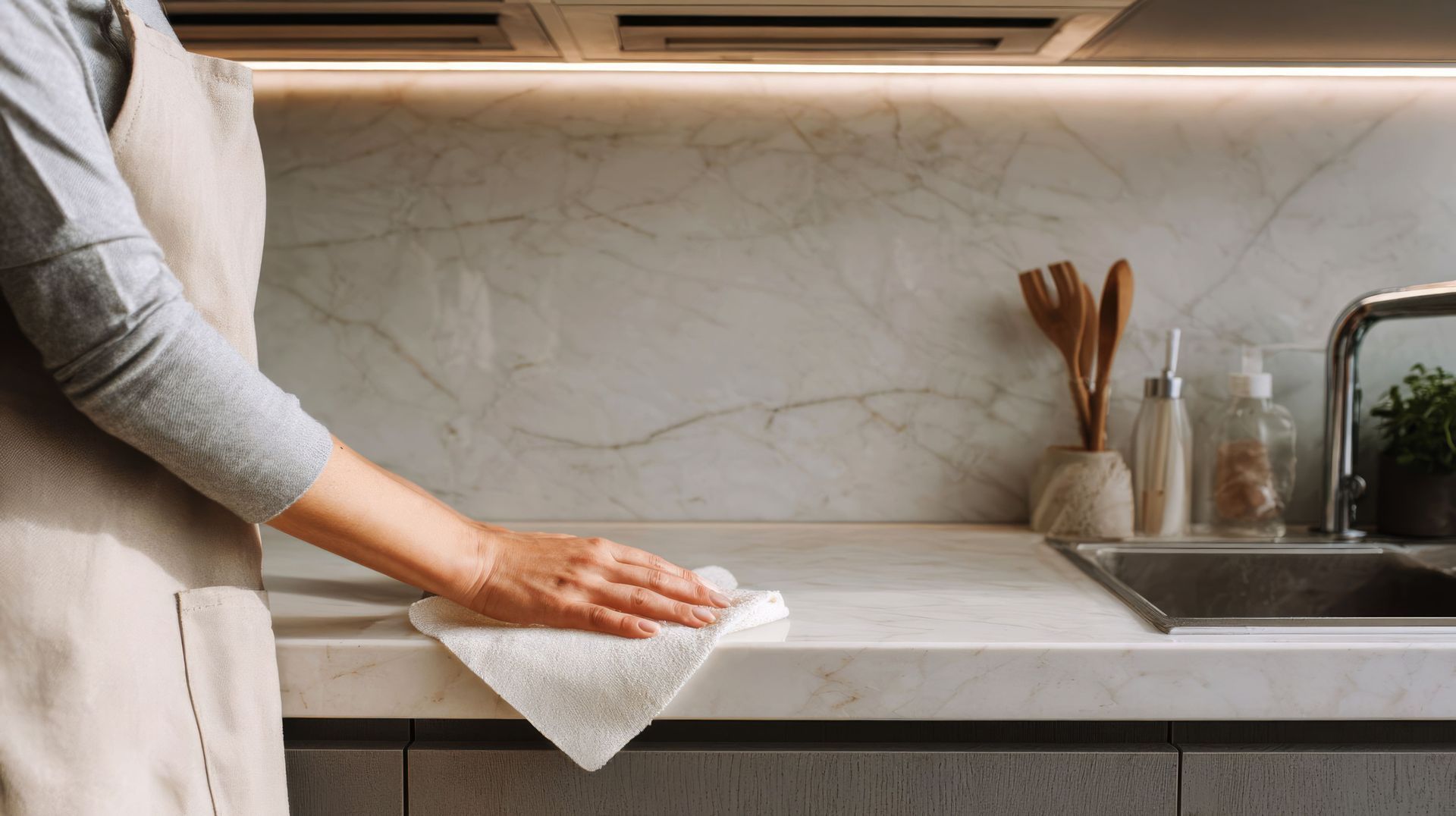
- Clear and wipe down a small section of counter space—following surface-safe steps when cleaning quartz countertops—to lay out clean, dry bases and matching lids before food cools.
- Group containers by size so you can match portions quickly without rummaging through cabinets with messy hands.
- Keep a clean dish towel nearby to wipe outside rims dry before stacking sealed containers into your refrigerator.
Keep Your Home Ready With a Cleaning Plan That Fits
While washing your personal food containers, lids, and dishes are everyday kitchen tasks handled by the household, keeping the rest of your kitchen and living spaces spotless before and after holiday hosting takes major time and energy.
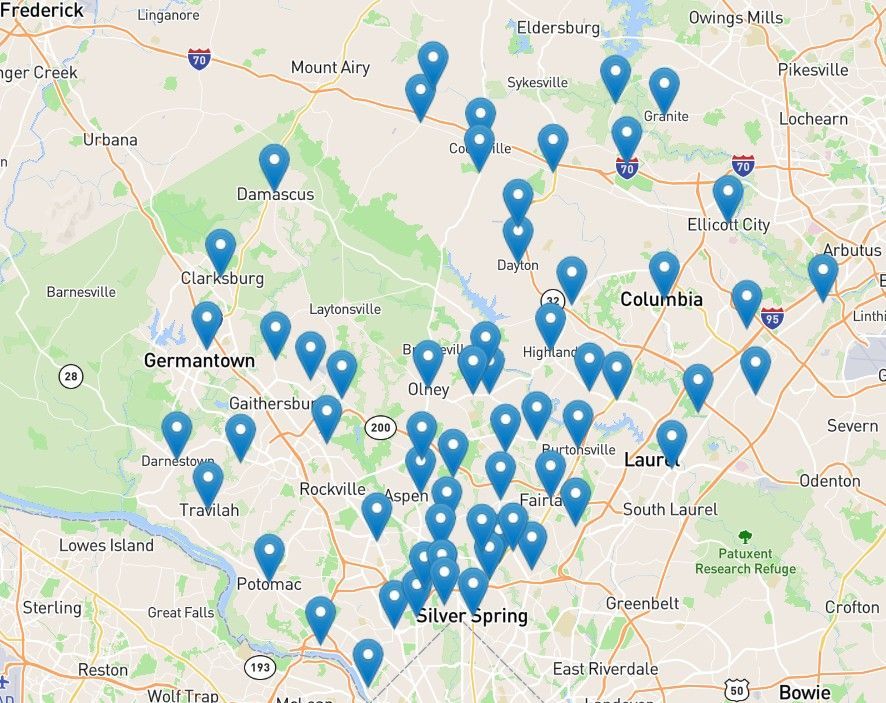
If you live in Montgomery County or Howard County, Maryland—from Bethesda and Silver Spring to Columbia and Ellicott City—Star Maids can take care of your countertops, sinks, cabinet exteriors, bathrooms, floors, and living areas. Note that per our customer guidelines, our cleaning teams do not wash personal dishes, utensils, or food storage containers, focusing instead on sanitizing surrounding surfaces and living spaces. Explore our options for residential and one-time deep cleaning to find a schedule that fits your home.
Frequently Asked Questions
Can all plastic food containers go in the dishwasher?
No. Always verify the manufacturer's care symbols on both the container base and the lid. While many modern containers are top-rack dishwasher safe, thin lids, locking latches, and non-dishwasher-safe plastics can warp, crack, or melt when exposed to high-heat wash and dry cycles.
Why do plastic containers keep food odors?
Plastic polymers are slightly porous and attract fats and aromatic food compounds, especially when scratched by utensils or abrasive sponges. Retained grease inside lid grooves or storing containers with trapped moisture also locks odors inside, though a lingering food scent alone does not prove active contamination once properly washed and dried.
How do you clean removable lid seals?
If your container's care instructions state that the gasket is removable, gently lift it out of the lid groove, wash both the seal and the channel with warm water and mild dish soap, rinse thoroughly, and allow every piece to air-dry completely before pressing the seal back into place.
Should stained food containers be discarded?
Not necessarily. Mild orange or yellow discoloration from tomato sauce or spices is purely cosmetic if the container is smooth, clean, and odor-free. However, you should discard any container that is cracked, deeply scratched, warped so the lid no longer seals, or peeling on the inside.
Can I store containers with the lids closed?
Only store plastic containers with their lids snapped shut once the base, lid, and seal are completely dry. Closing a lid over even slight residual moisture traps humidity inside, leading to musty smells and dampness in your pantry or cabinet.