
How to Clean Cutting Boards Safely After Food Preparation?
Whether you are prepping fresh vegetables for a weeknight dinner or carving a holiday turkey ahead of Thanksgiving, cutting boards handle direct contact with raw and ready-to-eat ingredients every single day. Learning how to clean cutting boards properly protects your household from foodborne cross-contamination while preventing warping, cracking, or premature wear across different board materials.
While routine kitchen sink care and pantry organization keep your workspace tidy, cutting boards require dedicated washing, drying, and material-specific inspection after every meal prep session.
How Should You Clean a Cutting Board After Use?
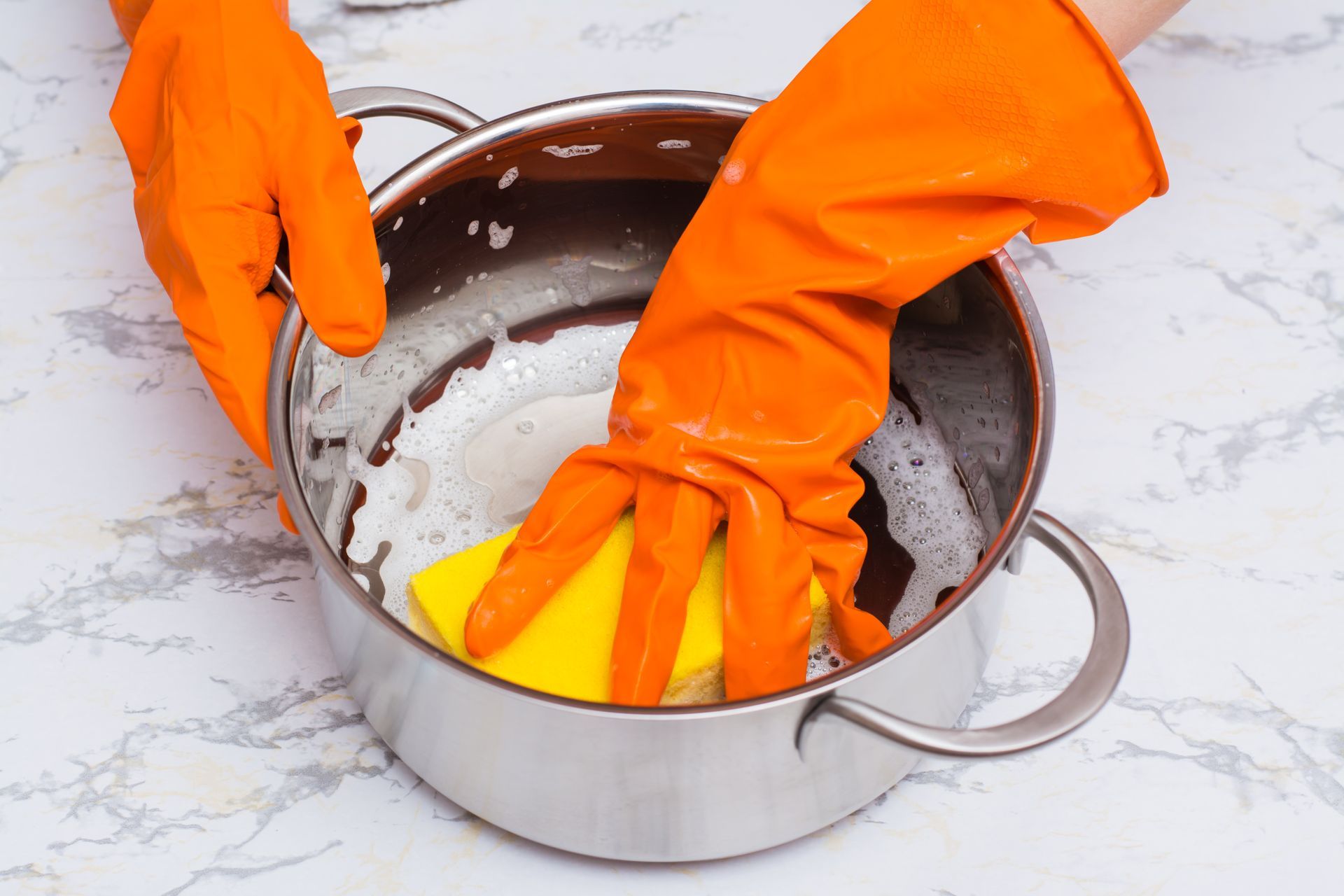
The safest way to clean a cutting board immediately after use is to scrape away loose food debris, wash both sides and all edges thoroughly with hot water and liquid dish soap, rinse with clean running water, and dry completely before storing.
It is important to distinguish between cleaning and sanitizing:
- Cleaning physically removes food particles, oils, and surface residues using soap, water, and mechanical scrubbing. Cleaning must always happen first.
- Sanitizing reduces remaining surface bacteria to safe levels using a product explicitly labeled for food-contact surfaces, applied strictly according to the manufacturer's instructions after the board has been washed and rinsed.
Wood, Bamboo, Plastic, and Composite Boards
Different cutting board materials react very differently to water immersion, heat, and knife wear. Match your care routine to the exact construction of your board:
Hardwood (Maple, Walnut, Cherry)
Water Exposure Limits: Hand-wash quickly; never soak in standing sink water.
Dishwasher Permission: No (unless explicitly stated by manufacturer).
Proper Drying Method: Towel-dry immediately, then stand upright on edge to air-dry evenly.
Primary Replacement Triggers: Deep splits, separated glue joints, or gouges that trap food.
Bamboo
Water Exposure Limits: Hand-wash promptly; avoid prolonged water exposure.
Dishwasher Permission: No. High heat and steam swell fibers and weaken adhesives.
Proper Drying Method: Towel-dry and stand vertically to allow airflow on all sides.
Primary Replacement Triggers: Cracked seams, splintering fibers, or warping.
Plastic (Polyethylene / Polypropylene)
Water Exposure Limits: Safe for thorough washing and soaking.
Dishwasher Permission: Usually Yes (check product label for top- vs. bottom-rack placement).
Proper Drying Method: Air-dry upright in a dish rack or wipe dry with a clean towel.
Primary Replacement Triggers: Deep, dark knife grooves that cannot be scrubbed clean.
Wood-Fiber Composite
Water Exposure Limits: Tolerates routine washing without swelling.
Dishwasher Permission: Often Yes (verify brand-specific care instructions).
Proper Drying Method: Stand upright or place in a drying rack until completely dry.
Primary Replacement Triggers: Severe surface scoring, chipping, or structural cracks.
Do Not Assume Every Board Is Dishwasher Safe
Never assume a cutting board can go into an automatic dishwasher without verifying the manufacturer's care label. Even boards that appear solid—such as edge-grain wood, laminated bamboo, or multi-piece plastic boards with rubberized grip feet—often rely on adhesives or layered construction that can delaminate, warp, or crack under high-temperature wash and dry cycles.
A Safe Cleanup Sequence After Raw-Food Preparation
When prepping raw poultry, meat, or seafood, follow a disciplined cleanup sequence to prevent bacteria from spreading to surrounding counters and utensils:
- Scrape Food Scraps Directly Into the Trash: Use a bench scraper or spatula to clear raw trimmings and juices into the waste bin rather than rinsing heavy debris into the sink basin.
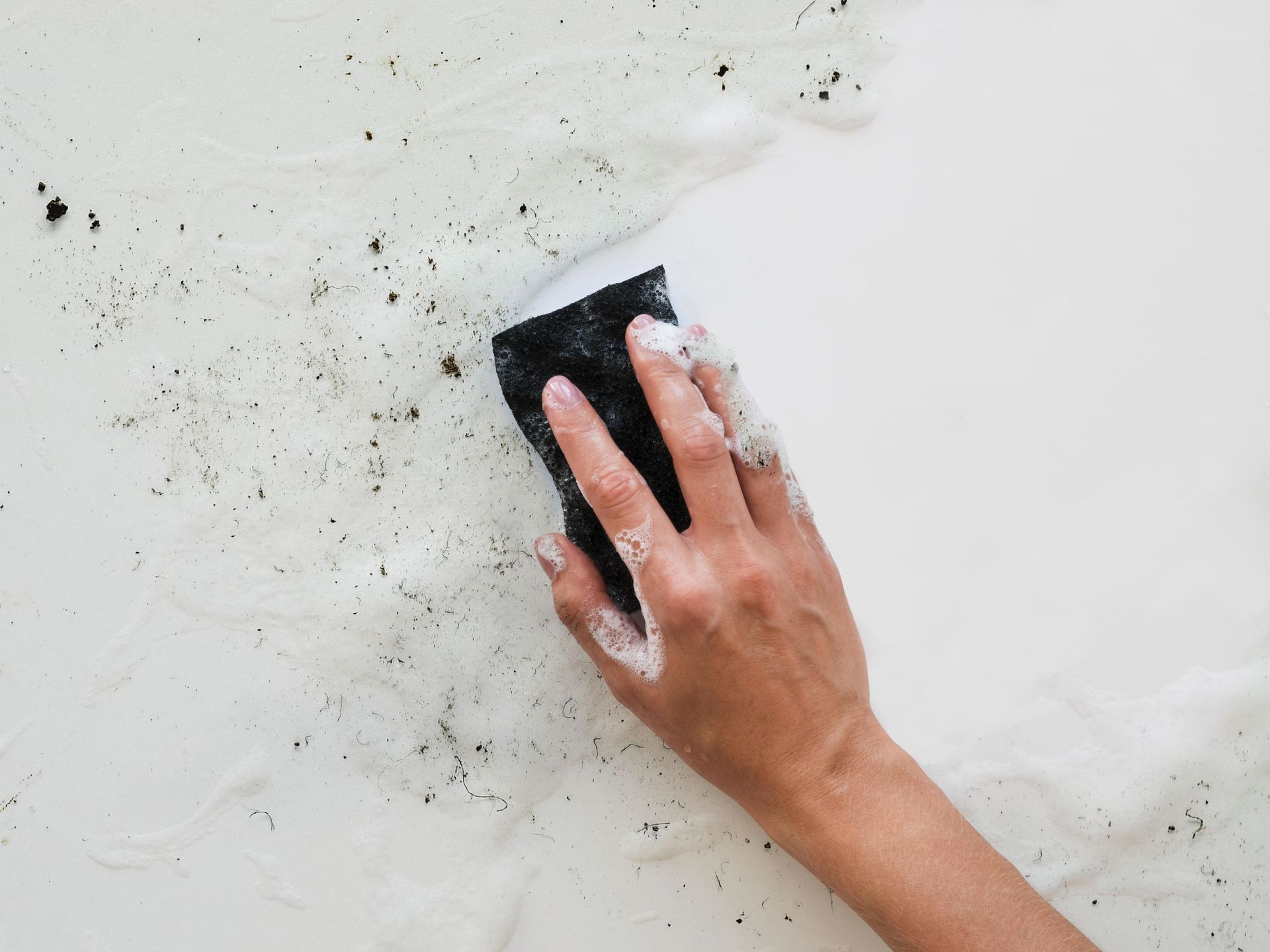
- Wash All Usable Faces and Edges: Scrub the top face, bottom face, handles, and perimeter edges with hot water, liquid dish soap, and a dedicated non-abrasive brush or sponge. Even if you only chopped on one side, juices frequently run over the edges onto the underside.
- Rinse Thoroughly With Running Water: Rinse away all soap suds and loosened food particles completely.
- Sanitize When Required and Dry Upright: If the board held raw meat, poultry, or seafood, apply a food-contact-safe sanitizing step per product directions, then dry the board upright so air circulates around all surfaces.
- Clean Surrounding Work Surfaces: Wash and sanitize the sink basin, faucet handles, and surrounding prep counters—following safe material practices when cleaning quartz countertops or other stone surfaces.
Keep Ready-to-Eat Foods Separate From Raw-Food Prep
According to USDA food safety guidance, preventing cross-contamination starts before cleanup even begins:
- Use Separate Boards: Keep at least two cutting boards in your kitchen—one reserved strictly for raw meat, poultry, and seafood, and a second board used exclusively for ready-to-eat foods like fresh produce, bread, and cooked items.
- Never Reuse an Unwashed Board: Never place cooked meat, carved poultry, or washed vegetables onto a board that previously held raw meat without washing and sanitizing it first.
When a Sanitizing Step Is Appropriate
While hot soapy water is sufficient after slicing bread, fruit, or vegetables, an additional sanitizing step is recommended after preparing raw poultry, meat, or fish. Always choose a commercial sanitizer or EPA-registered product labeled specifically for food-contact surfaces, and follow the exact dilution and application directions on the bottle rather than guessing or mixing improvised household chemical concentrations.
Check Rinsing Instructions Before Reusing the Board
Before placing food back onto a sanitized cutting board, read the product label carefully to separate three distinct steps:
- Contact / Dwell Time: The exact number of minutes the surface must remain visibly wet with the solution to work effectively.
- Rinsing Requirement: Whether the label requires a final potable-water rinse after dwell time or specifies a no-rinse air-dry finish.
- Complete Drying: Allowing the board to dry thoroughly before storing it in a cabinet or placing prepped ingredients back inside your storage containers after cleaning the refrigerator.
Stains and Odors Are Not the Same as Sanitation
Cutting boards frequently develop dark berry stains, turmeric marks, or lingering garlic and onion odors over time. It is important to separate cosmetic appearance and odor from hygienic cleanliness:
- A stained plastic or wood board that has been properly washed, sanitized, and dried can be completely hygienic for food preparation.
- Conversely, rubbing a dirty board with fresh lemon juice or coarse salt may temporarily brighten surface stains or mask onion odors, but citrus and salt are not validated food-contact disinfectants. Never substitute DIY scent treatments for proper soap-and-water washing and label-directed sanitizing.
When Should a Cutting Board Be Replaced?
No cutting board lasts forever. Inspect your boards regularly in bright kitchen lighting and replace any board that shows:
- Deep Knife Grooves and Scratches: Once knife cuts become deep enough to trap food particles and moisture that a scrub brush cannot reach, bacteria can harbor inside the grooves.
- Cracks, Splits, or Separated Seams: Structural cracks in wood, bamboo, or composite boards absorb raw meat juices and moisture internally, making thorough cleaning impossible.
- Warping or Fuzzing: A board that rocks unevenly on the countertop creates a knife-slip hazard, while severely fuzzy, frayed plastic surfaces shed micro-shavings and resist proper cleaning.
Keep the Surrounding Kitchen Ready for Holiday Meals
Managing food-contact safety during Thanksgiving and holiday meal prep goes hand in hand with keeping surrounding prep stations clear. Wiping down prep counters immediately after raw meat trimming, keeping clean dish towels separate from hands-drying towels, and clearing empty space inside your refrigerator before grocery shopping keeps your kitchen organized while your cutting boards air-dry on the counter.
Keep Your Home Ready With a Cleaning Plan That Fits
While washing your personal cutting boards, knives, and cooking dishes are daily food-prep tasks handled by your household, keeping the rest of your kitchen and home spotless before holiday guests arrive takes hours of detailed effort.
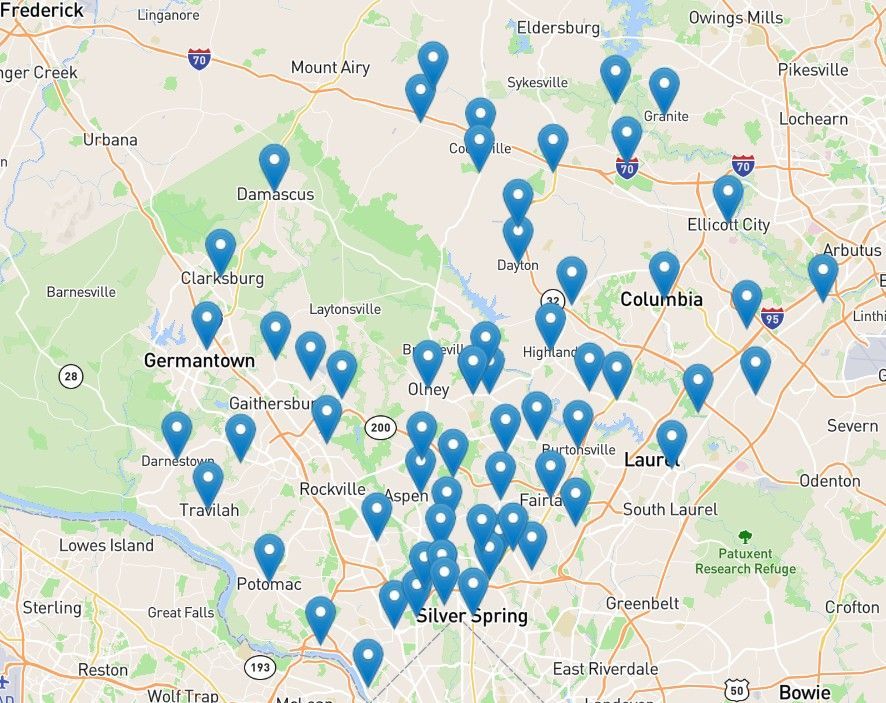
If you live in Montgomery County or Howard County, Maryland—from Bethesda and Rockville to Columbia and Ellicott City—Star Maids can handle your countertops, sinks, cabinet exteriors, bathrooms, living spaces, and floors. Note that per our customer guidelines, our cleaning teams do not wash personal dishes, utensils, or cutting boards, focusing instead on sanitizing surrounding surfaces and living areas. Explore our options for residential and one-time deep cleaning to schedule support that fits your routine.
Frequently Asked Questions
Is wood or plastic easier to clean?
Plastic cutting boards are often easier to place directly into an approved dishwasher cycle, whereas hardwood boards require quick hand-washing and upright towel drying. However, plastic boards develop deep knife grooves faster than dense hardwoods, and once either material becomes heavily scored or cracked, it becomes difficult to clean effectively and should be replaced.
Can you put a wooden cutting board in the dishwasher?
No, unless the board's own manufacturer care instructions explicitly permit dishwasher use. High water temperatures, prolonged moisture exposure, and heated drying cycles cause most wooden and bamboo cutting boards to warp, crack, and split along glue joints.
Does lemon disinfect a cutting board?
No. While rubbing a cut lemon over a board can help neutralize lingering onion or garlic odors and lighten minor surface stains, lemon juice is not an EPA-registered disinfectant or validated food-contact sanitizer. Always rely on hot soapy water and a label-directed food-contact sanitizer after raw-food prep.
How do you remove cutting-board odors?
Start by washing all faces and edges thoroughly with hot water and grease-cutting dish soap to remove trapped food oils, then rinse and air-dry upright. For lingering food smells on non-damaged boards, follow material-safe care instructions—such as baking soda paste on approved surfaces—but replace the board if odors persist inside deep cracks or grooves.
How often should you replace a cutting board?
Replace a cutting board based on visible physical wear and cleanability rather than a fixed calendar date. As soon as a board develops deep knife grooves that trap residue, structural cracks, separated seams, or warping that prevents flat, safe cutting, it should be discarded and replaced.