
How to Clean a Refrigerator From Top to Bottom?
Your refrigerator works around the clock to keep your food fresh, but it frequently absorbs spills, sticky residues, and forgotten leftovers. Over time, expired items, unsealed sauces, and crumbs collect on shelves, turning your fridge into a breeding ground for bacteria and unpleasant odors.
Knowing how to methodically clean your refrigerator from top to bottom restores hygiene, protects your groceries, and keeps your entire kitchen smelling fresh.
Quick answer: how to clean a refrigerator properly
- Empty and Purge: Remove all contents, discard expired or spoiled food, and temporarily store perishables in a cooler.
- Wash and Wipe: Take out all removable bins, shelves, and drawers to wash them in warm soapy water, then wipe down the interior walls, gaskets, and door ledges.
- Deodorize and Restock: Dry all surfaces completely, neutralize lingering odors, and restock your clean refrigerator.
(As part of your overall home maintenance, keeping all your major kitchen appliances fresh is essential. For comprehensive appliance care, explore our guides on how to clean a washing machine and remove odors and how to clean a dishwasher and get rid of bad smells).
What you need before cleaning the refrigerator
Before you open the fridge door, gather your supplies so you can work quickly and efficiently:
- Cooler or Insulated Bag: Keep dairy, meats, and other perishable items cold while the shelves are empty.
- Mild Cleaner & Microfiber Cloths: Use warm water mixed with a drop of dish soap or a safe, food-grade antibacterial spray. Avoid harsh chemical cleaners or abrasive scouring pads that can scratch plastic surfaces.
- Trash Bags: Ready for clearing out old, expired, or spoiled groceries.
Step-by-step refrigerator cleaning checklist
Empty one section at a time
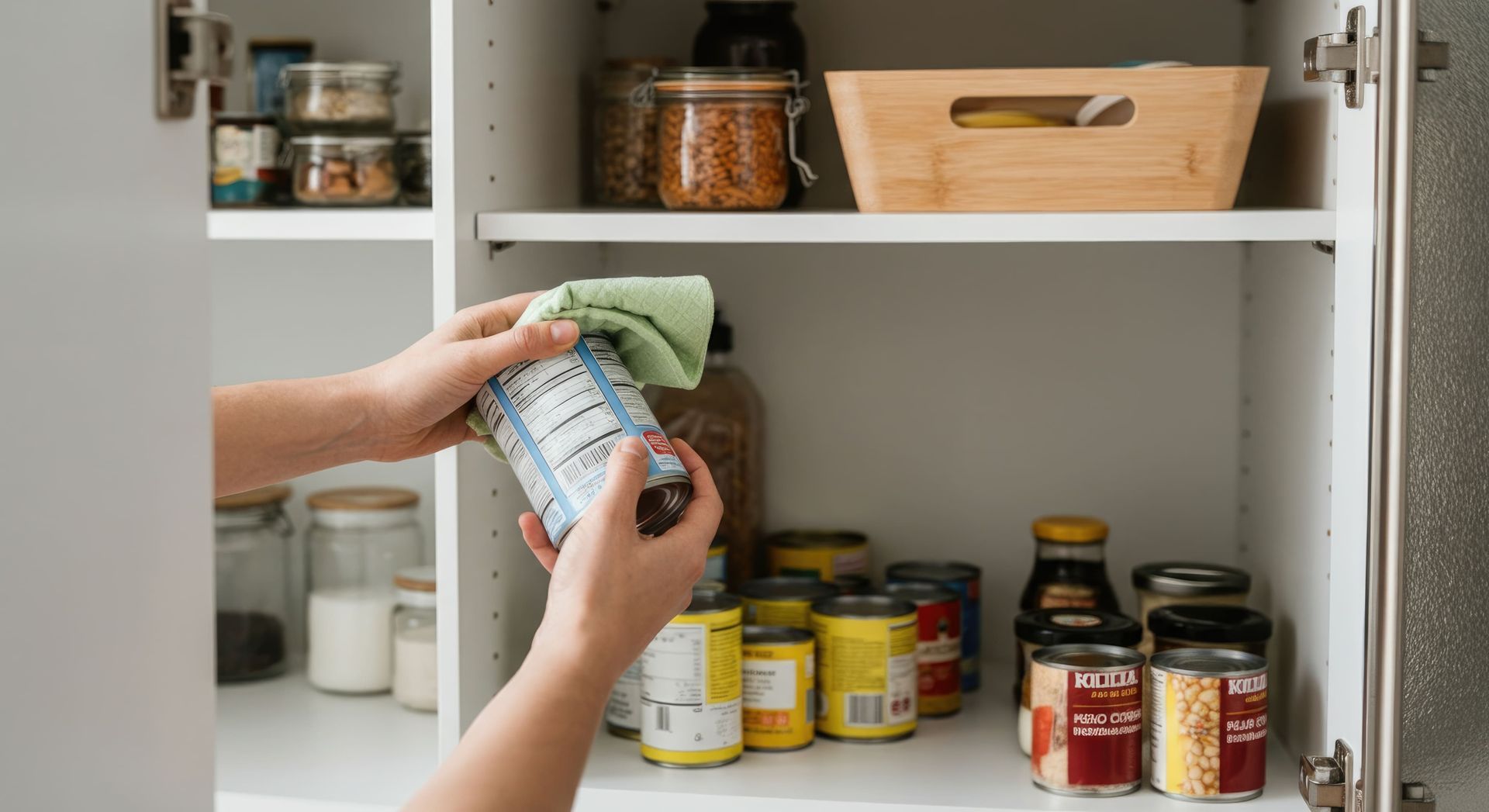
If you prefer not to pull everything out at once, work section by section—clearing the top shelf, middle shelf, door bins, and bottom crisper drawers individually. Check expiration dates and toss questionable items.
Remove shelves, bins, and drawers
Take out all removable glass shelves, plastic door bins, and crisper drawers.
How to wash removable parts safely
Crucial Warning: Never place cold glass refrigerator shelves directly into hot water. The sudden thermal shock can cause the glass to crack or shatter. Let glass shelves warm up to room temperature first, then wash them in lukewarm soapy water.
Wipe walls, seams, gaskets, and door shelves
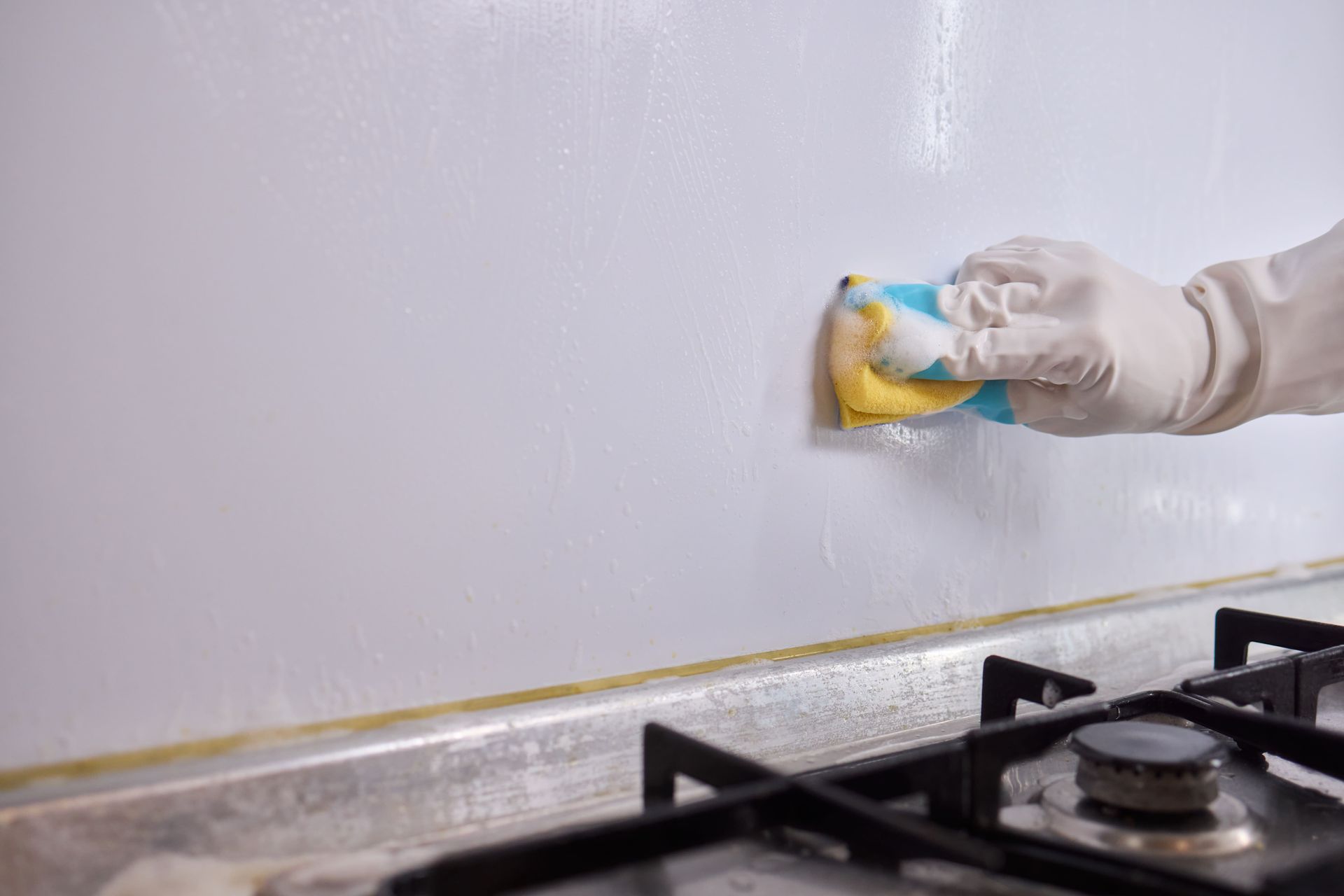
Spray the interior walls, ceiling, floor, and door frames with your mild cleaning solution.
Why door seals collect crumbs and sticky residue
The rubber magnetic gaskets around the refrigerator doors have deep folds that easily trap drifting crumbs, liquid spills, and sticky residue. Gently pull back the folds of the gasket and wipe them clean to ensure a tight, hygienic seal.
Dry all surfaces before restocking
How to prevent moisture and odor buildup
Use a clean, dry microfiber cloth to dry every shelf and wall thoroughly before placing food back inside. Putting items back onto wet surfaces encourages moisture trapping and rapid mold growth.
How to remove refrigerator odors
- Find the Source: Look closely behind drawers and underneath bins for hidden liquid spills or spoiled produce that are causing lingering smells.
- Clean Spill Zones: Scrub sticky syrup or meat juice residues thoroughly, as surface wipes won't eliminate deep-set food odors.
- Deodorize Naturally: Place an open box of baking soda or a small bowl of activated charcoal on a middle shelf to absorb persistent refrigerator smells.
How often should you clean a refrigerator?
- Weekly Quick Checks: Toss expired leftovers and wipe up fresh spills before your weekly grocery trip.
- Monthly Wipe-Downs: Remove condiments, wipe down door bins, and clean high-touch shelf surfaces every 4 to 6 weeks.
- Seasonal Deep Cleaning: Perform a full top-to-bottom clean, taking out every shelf and drawer, 2 to 4 times a year.
Professional kitchen cleaning support
How recurring house cleaning keeps appliance exteriors, counters, floors, and high-touch zones cleaner
While managing your refrigerator's interior belongs to your routine food prep, keeping the exterior surfaces, surrounding kitchen countertops, appliance handles, and kitchen floors immaculate takes continuous effort. Partnering with a reliable professional recurring cleaning service ensures that your broader kitchen space stays pristine, creating the perfect complement to your appliance maintenance routine. (For more kitchen hygiene tips, see our guide on how to clean a kitchen sink and remove odors).
FAQ
What is the best way to clean inside a refrigerator?
The best way is to empty the fridge completely, wash removable shelves and drawers in lukewarm soapy water, wipe down the interior walls and rubber gaskets with a mild dish soap solution, dry everything thoroughly, and restock.
How do you remove refrigerator odors?
Locate and clean up any spoiled food or hidden spills, wash the surfaces with a mild disinfectant, and place an open box of baking soda inside to continuously absorb remaining odors.
How often should a refrigerator be cleaned?
You should do a quick maintenance check weekly, a targeted shelf wipe-down monthly, and a comprehensive deep clean every 3 to 6 months.
Should you unplug the refrigerator before cleaning?
For a standard interior cleaning, you do not need to unplug the refrigerator unless you plan on leaving the doors open for an extended period to clean interior condenser coils or perform a deep defrost.