
Glass Cleaner vs Vinegar: Which Works Better?
When it comes to achieving sparkling, crystal-clear windows and mirrors, two cleaning champions always come to mind: commercial glass cleaner and plain white vinegar. Both promise a streak-free shine, but they work differently when it comes to cutting through grease, dissolving mineral deposits, and protecting surrounding surfaces.
Understanding the pros and cons of glass cleaner versus vinegar helps you choose the right solution for your home cleaning routine.
Quick answer: when to use glass cleaner or vinegar
- Glass Cleaner Offers Convenience: Commercial glass cleaners are formulated with specialized surfactants that quickly lift grease, fingerprints, and smudges without requiring mixing.
- Vinegar Offers Natural Power: Equal parts white vinegar and distilled water provide a budget-friendly, eco-friendly option that excels at cutting through light mineral residue, though it requires caution around certain surrounding materials.
What glass cleaner does well
Commercial glass cleaners are engineered specifically for smooth glass surfaces. They excel at tackling:
- Fingerprints: Dissolves skin oils and greasy hand smudges instantly.
- Smudges: Lifts daily airborne residue on glass doors and tabletops.
- Mirrors: Leaves bathroom and hallway mirrors polished and clear.
- Interior Windows: Cleans standard indoor glass quickly without heavy scrubbing.
Why product amount affects streaking
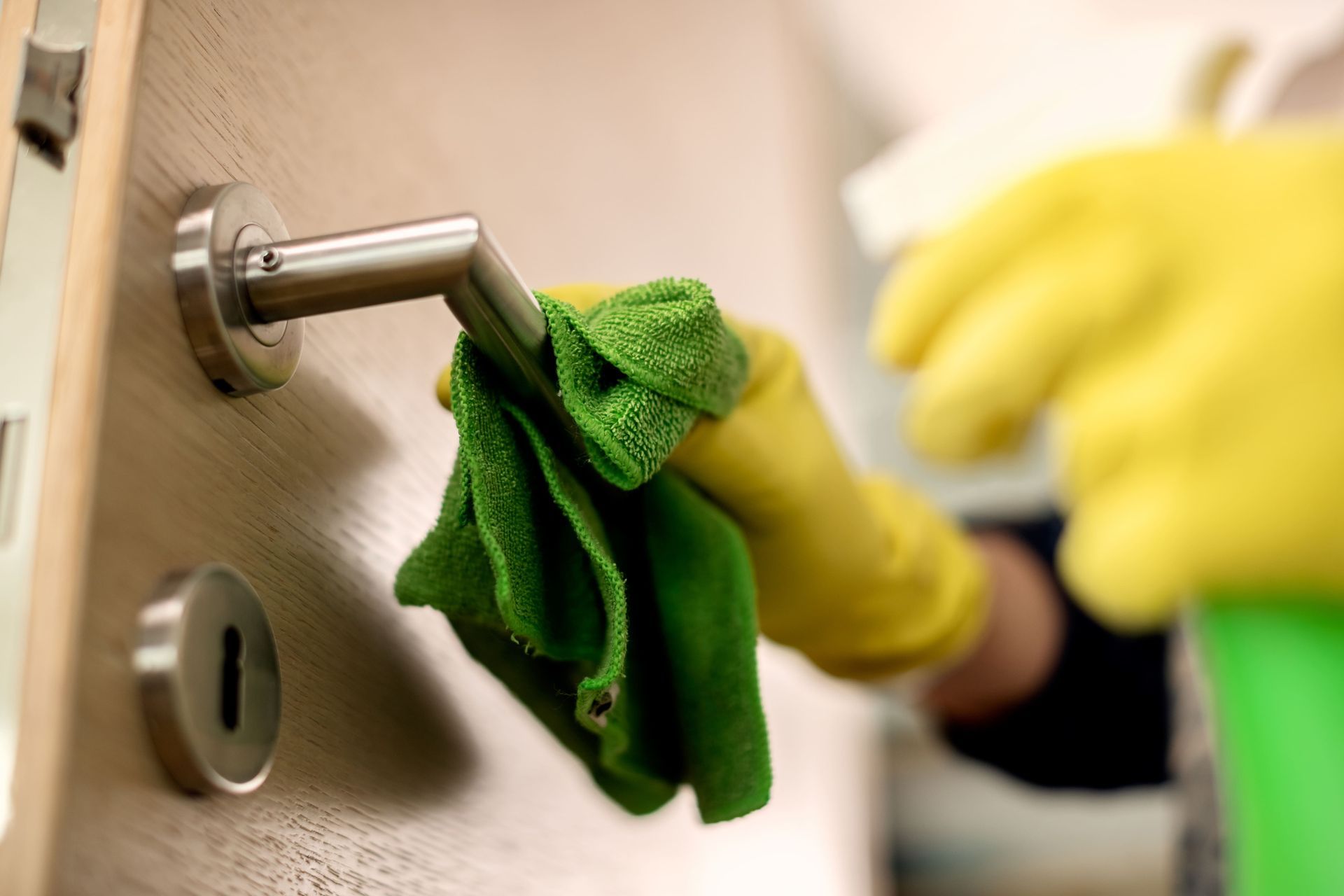
Over-saturating glass with too much cleaner leaves behind a thick chemical film. Spraying lightly directly onto your microfiber cloth rather than drenching the window ensures a clean, streak-free evaporation. (For a complete step-by-step approach to sparkling glass, read our guide on how to clean windows without streaks).
What vinegar does well
White vinegar is a mild acetic acid that works wonderfully for specific cleaning tasks:
- Light Mineral Deposits: Breaks down mild hard water spots caused by tap water splashes.
- Cloudy Residue: Cuts through stubborn soap film and chemical buildup on glass.
- Budget-Friendly Cleaning: Provides an economical alternative for whole-house glass maintenance.
Surfaces where vinegar should be avoided
Because vinegar is acidic, it should never be used on natural stone surfaces (like granite or marble countertops near windows) or unsealed wood window sills, as the acid can etch and permanently ruin the finish.
Glass cleaner vs vinegar by surface
Windows
- Winner: Tie. Both glass cleaner and diluted vinegar work wonderfully on standard windows when paired with the right microfiber cloth.
Mirrors
- Winner: Glass Cleaner. It evaporates quickly and leaves a polished, smudge-free finish on bathroom and decorative mirrors.
Shower glass
- Winner: Vinegar (diluted). Shower doors accumulate hard water spots and soap scum, which vinegar's acidity breaks down much better than standard glass sprays.
Glass tables
- Winner: Glass Cleaner. Safe for daily tabletop wipe-downs where food oils and fingerprints accumulate.
Window frames and nearby stone surfaces
- Winner: Glass Cleaner. Safe commercial sprays won't damage painted wood, vinyl frames, or adjacent natural stone sills.
Safety note for natural stone and delicate finishes
Always check what your windows are sitting on. Acidic vinegar can etch marble, travertine, and limestone window sills, making commercial glass cleaner a safer choice for stone-adjacent cleaning.
Which option leaves fewer streaks?
Why cloth choice and drying method matter more than product alone
Surprisingly, whether you choose vinegar or commercial glass cleaner matters less than how you wipe the glass. Using a clean, tightly woven microfiber cloth (and avoiding lint-shedding paper towels) ensures a completely streak-free finish.
Professional recommendation
Use the safest product for the surface and clean surrounding dust first
For the best results, always wipe away loose dust and cobwebs from your window frames before applying either glass cleaner or vinegar. Selecting the product that matches your specific surface protects your window frames, sills, and glass simultaneously.
FAQ
Is vinegar better than glass cleaner?
Vinegar is better for dissolving hard water spots and eco-friendly cleaning, while commercial glass cleaner is better for quick grease removal, everyday fingerprints, and safety around natural stone.
Can vinegar damage surfaces near windows?
Yes. Undiluted or dripping vinegar can etch natural stone (like marble or granite sills), strip unsealed wood finishes, and corrode certain unsealed metal window hardware over time.
What leaves windows streak-free?
A light application of cleaning solution paired with a clean microfiber cloth or professional squeegee—and avoiding direct sunlight—leaves windows completely streak-free.
Should you use glass cleaner on shower doors?
You can use glass cleaner on shower doors for light maintenance, but a mixture of vinegar and dish soap is usually more effective at breaking down stubborn soap scum and hard water spots.