
How to Dust a House Properly? Top-to-Bottom Guide
Dust is an inevitable part of home life, made up of microscopic particles like shed skin cells, textile fibers, pet dander, pollen, and tracked-in soil. When dust builds up, it doesn't just make furniture look dull—it can trigger allergies and compromise indoor air quality.
However, many homeowners find that no matter how frequently they wipe down surfaces, a gray film reappears almost immediately. The secret to an immaculate, long-lasting clean isn't just about effort; it is entirely about sequence and technique.
Quick answer: dust from top to bottom before vacuuming
Why cleaning order matters
The golden rule of professional dusting is simple: always work from the highest point in a room down to the floor. Gravity dictates that loose dust will always fall downward when disturbed. If you vacuum your floors first and then dust your ceiling fans and bookshelves afterward, you will simply cover your freshly cleaned floors in a fresh layer of debris.
Best tools for dusting a house
Microfiber cloths
Microfiber is the gold standard for dusting. Its split synthetic fibers feature tiny wedge-shaped hooks that create electrostatic attraction, trapping dust particles and oils mechanically rather than just pushing them around.
Extendable dusters
An extendable pole duster with a flexible microfiber head allows you to reach high ceiling corners, crown molding, and ceiling fan blades safely from the ground.
Vacuum attachments
Using a soft-bristle brush attachment on your vacuum is exceptionally effective for cleaning fabric lampshades, upholstered furniture, heavy drapes, and intricate vent covers.
Dust mop
A flat microfiber dust mop captures dry floor debris efficiently without kicking fine particles back into the air.
Why feather dusters often spread dust
Traditional feather dusters are largely ineffective for modern cleaning. Instead of trapping dust, stiff feathers tend to fling lightweight particles into the air, where they simply float around and resettle on other surfaces.
Top-to-bottom dusting sequence
To maximize efficiency and prevent rework, move through each room using this systematic sequence:
Ceiling fans and ceiling corners
Turn off ceiling fans completely and use a pillowcase slipped over the blades to catch trapped dust, or use an extendable microfiber duster to clear cobwebs from upper wall corners and crown molding.
Light fixtures and vents
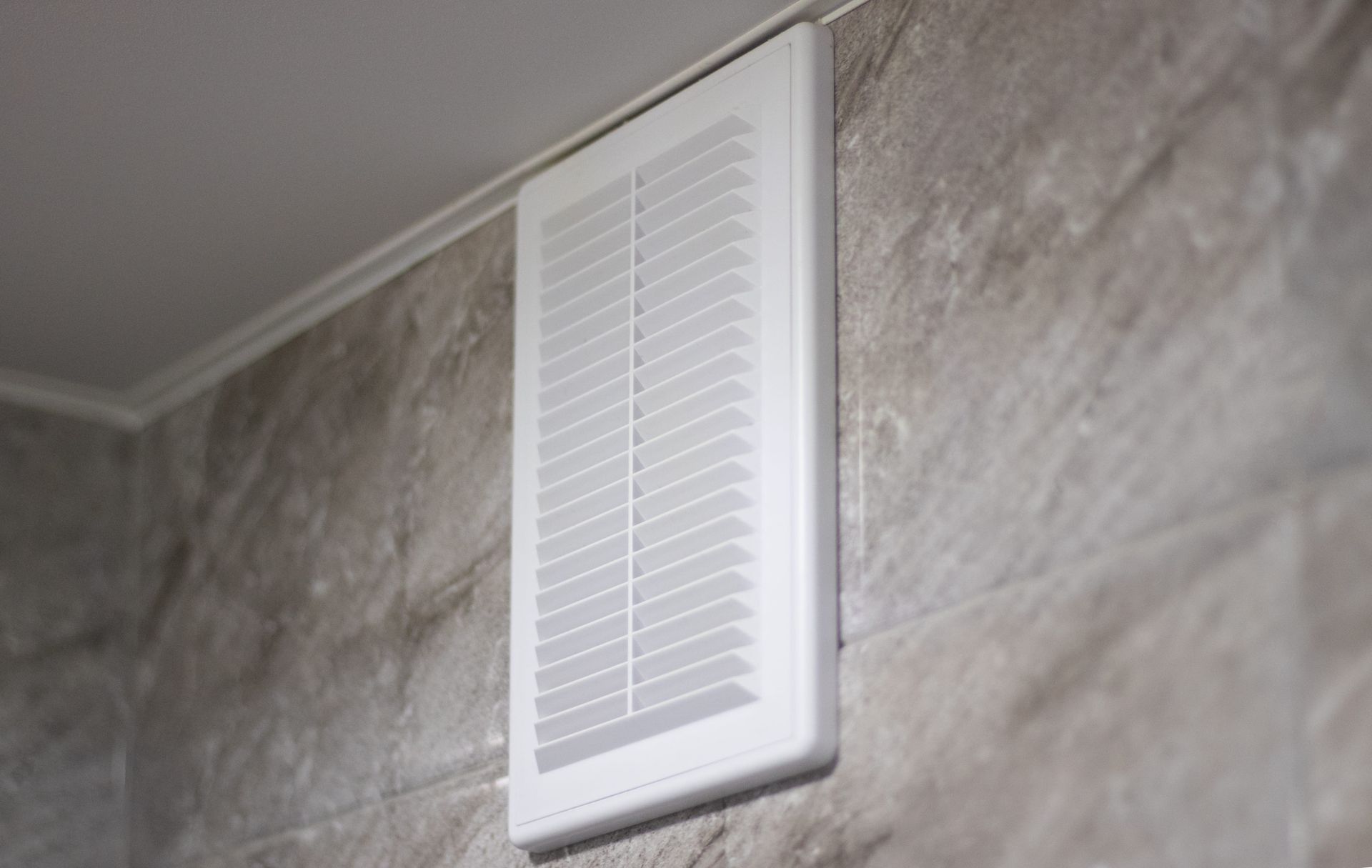
Wipe down hanging light fixtures, chandeliers, and ceiling air return vents.
Shelves, decor, and furniture
Work your way down to bookcases, media consoles, tabletops, and sideboards. Lift decorative objects to dust underneath them rather than wiping around them.
Blinds and windowsills
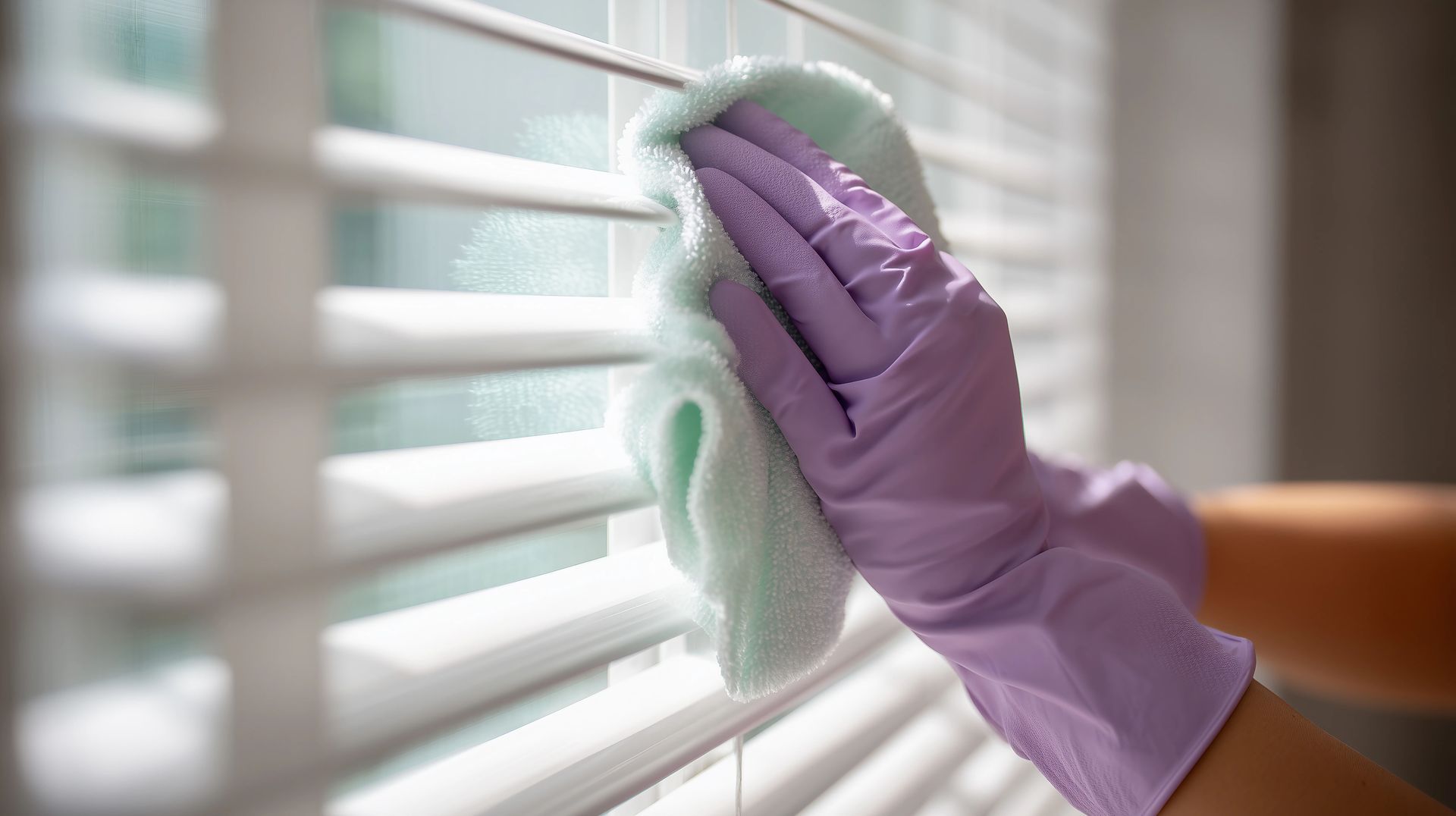
Dust window blinds slat by slat from top to bottom, finishing with a thorough wipe of the windowsills and frames.
Baseboards and trim
Progress down to chair rails, door frames, and baseboard trim, which accumulate heavy floor-level dust and pet hair.
Floors
Conclude the entire room routine by vacuuming carpets and soft surfaces, followed by damp-mopping hard floors to capture all the settled debris.
Should you dust before or after vacuuming?
Why vacuuming should usually come after dusting
Dusting first ensures that any dislodged particles have plenty of time to drift down to the floor, where your final vacuuming session can sweep them away in one comprehensive pass.
Exception for very dirty floors
If a room has undergone heavy construction, drywall work, or extreme neglect, you may want to do a quick initial sweep of the floor to clear large chunks of debris before starting high-level dusting, followed by a final, thorough vacuuming.
How to reduce dust buildup between cleanings
Air filters, clutter control, and entryway habits
- Replace HVAC Filters: Swap out your furnace and air conditioner filters every 1 to 3 months to capture airborne dust before it circulates.
- Declutter Surfaces: The fewer knick-knacks and decorative items you have sitting out, the fewer surfaces there are for dust to land on.
- Establish Entryway Habits: Implement a strict no-shoes-in-the-house policy and use double doormats (one outside, one inside) to catch dirt before it enters living spaces.
Homes with pets or allergies
If your household includes shedding pets or allergy sufferers, run an air purifier with a true HEPA filter in primary living areas, groom pets outdoors, and wash bedding weekly in hot water to minimize dander accumulation.
When professional cleaning can help
Recurring dust control for hard-to-reach areas
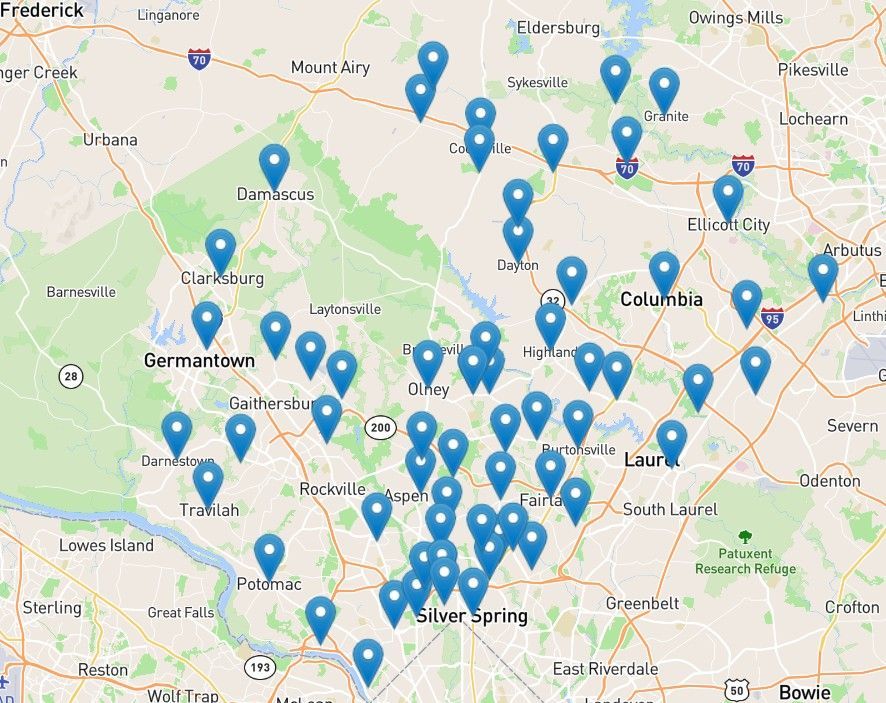
Managing high ceilings, intricate woodwork, heavy blinds, and recurring household dust on top of a busy weekly schedule can become an exhausting burden. Partnering with a professional cleaning service like Star Maids Cleaning Solutions ensures your entire home receives meticulous, top-to-bottom dust control and detailing week after week.
Ready to enjoy a cleaner, fresher home without the constant dusting chores?
Click here to get your custom quote from Star Maids Cleaning Solutions today!
FAQ
What is the best way to dust a house?
The most effective way to dust a house is to use dry microfiber cloths and tools, working strictly from the highest points of a room (ceilings, fans, shelves) down to the baseboards and floors, finishing with a thorough HEPA vacuum session.
How often should you dust your home?
For most homes, a general top-to-bottom dusting should be performed weekly. Homes with pets, active children, or high outdoor pollution levels may require high-traffic surface dusting twice a week.
Is microfiber better for dusting?
Yes. Microfiber is vastly superior because its microscopic split fibers generate an electrostatic charge that traps and locks in dust and pet hair, whereas traditional feather dusters simply scatter particles into the air.
Why does my house get dusty so fast?
Houses accumulate dust rapidly due to factors like worn HVAC filters, leaky window and door seals, shedding pets, outdoor foot traffic, textiles shedding microscopic fibers, and keeping windows open on windy days.