
Cleaning vs. Sanitizing vs. Disinfecting: What Is the Difference?
When reading product labels or managing household chores, terms like cleaning, sanitizing, and disinfecting are often used interchangeably. However, in the realm of home hygiene and public health, they mean three entirely different things.
Confusing these terms can lead to wasted effort, damaged surfaces, or—worst of all—a false sense of security regarding harmful pathogens. Understanding the precise distinctions between these three levels of hygiene helps you maintain a truly safe and spotless home.
Quick answer: cleaning removes dirt, sanitizing reduces germs, disinfecting kills specific germs
Why these terms are not interchangeable
Each term represents a distinct level of microbial reduction and physical action:
- Cleaning physically removes dirt and impurities without necessarily killing germs.
- Sanitizing lowers the number of bacteria on surfaces down to safe public health standards.
- Disinfecting uses chemical agents to destroy virtually all targeted viruses, bacteria, and fungi.
What does cleaning mean?
Removing dirt, dust, grease, and visible residue
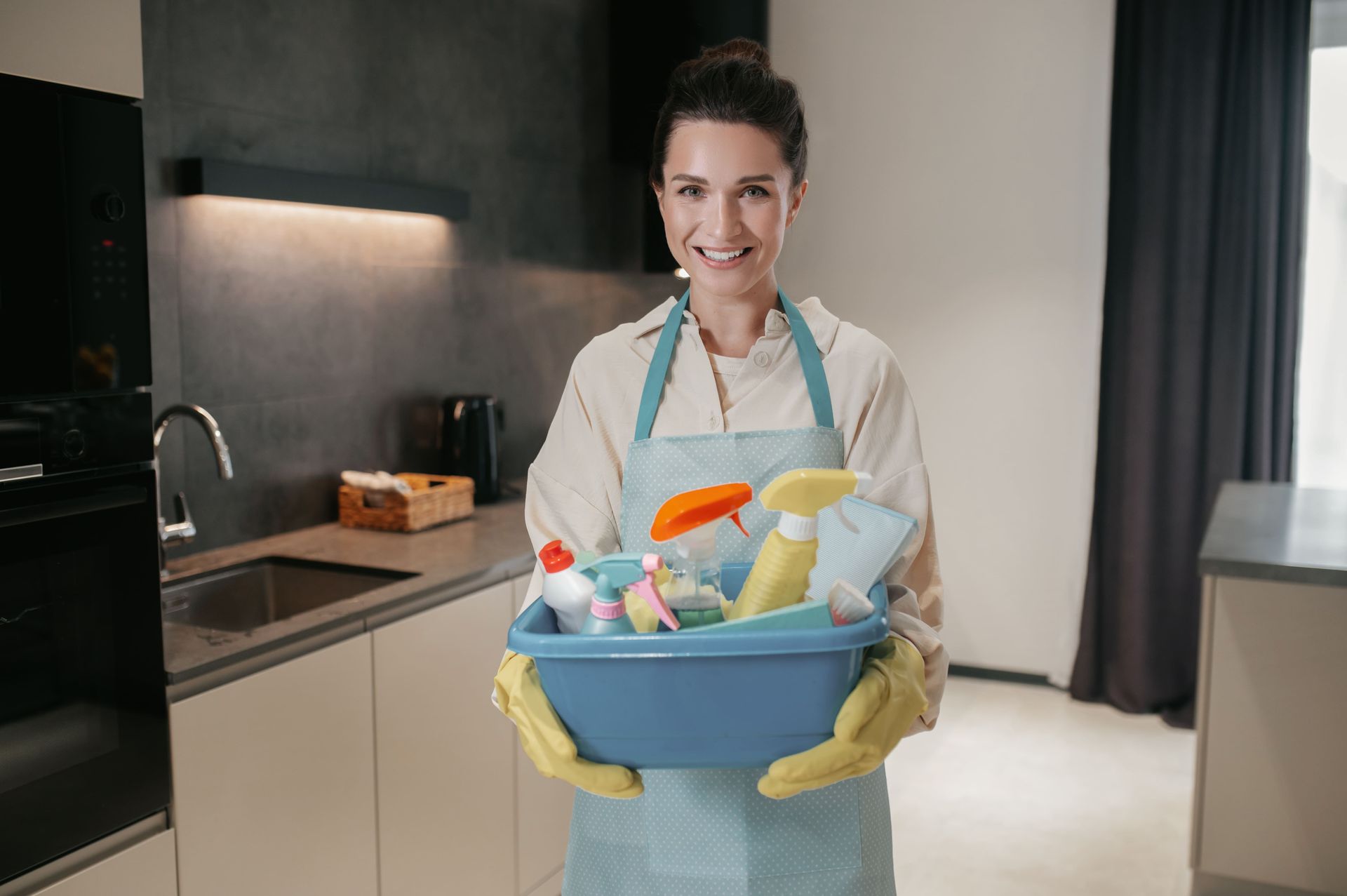
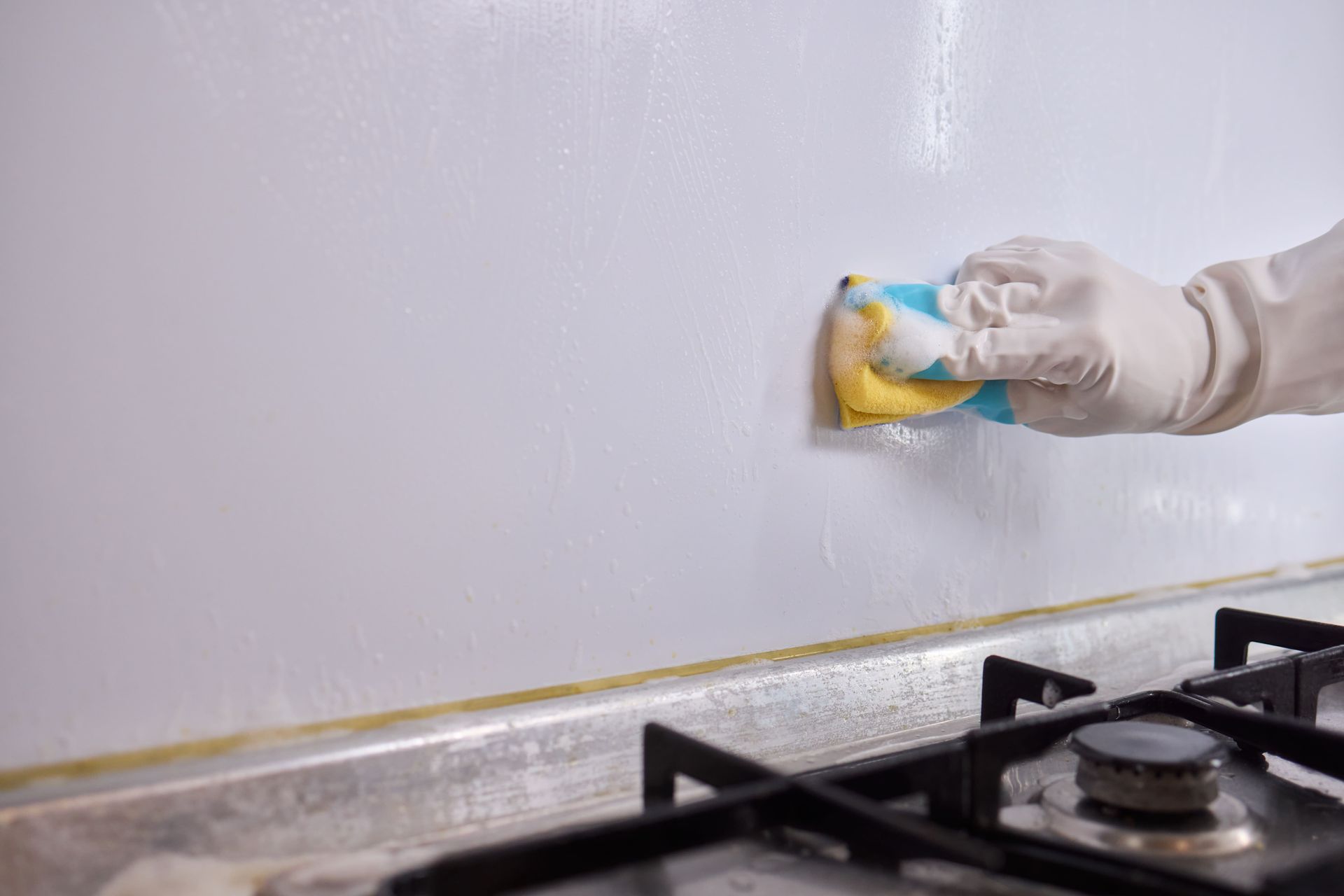
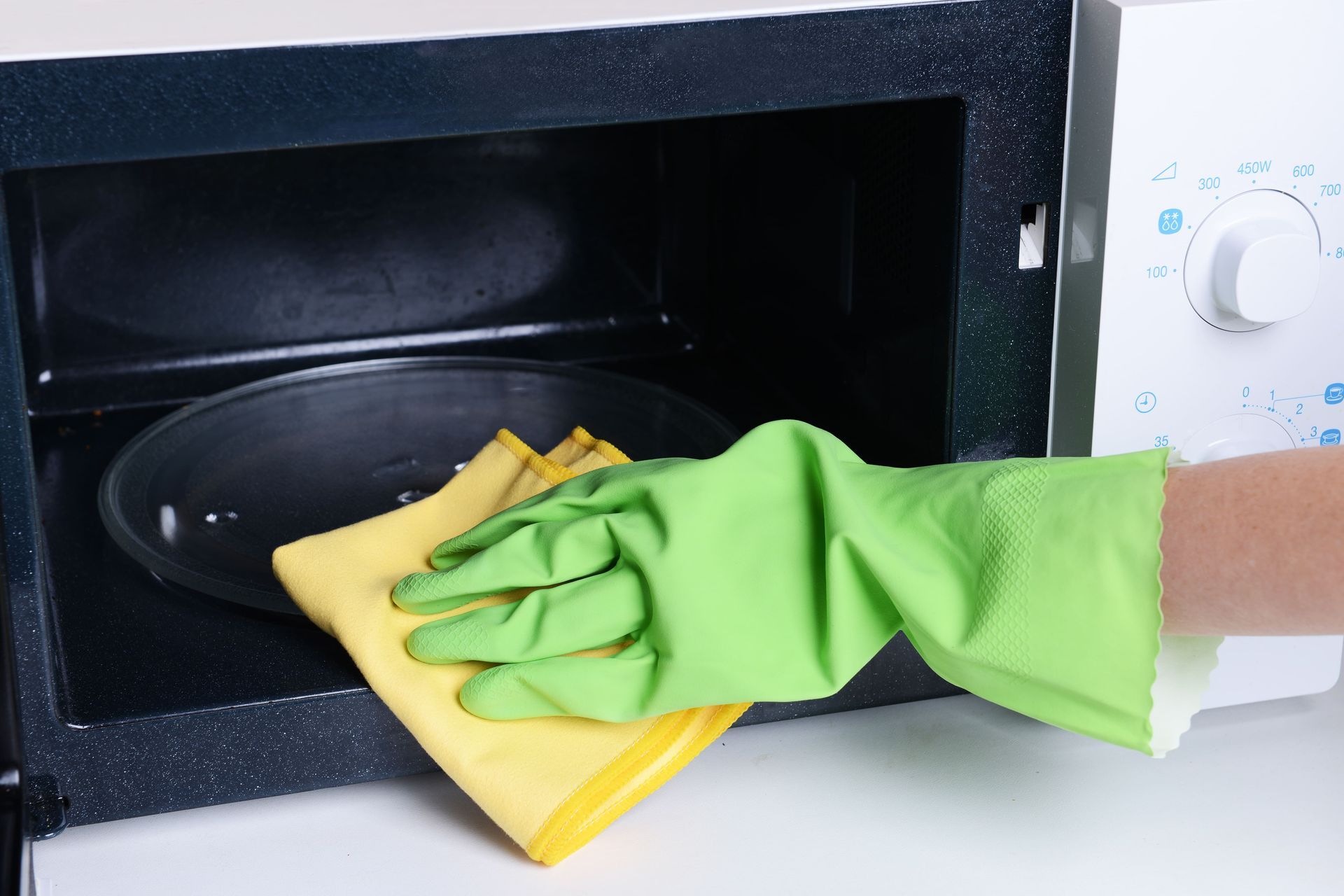
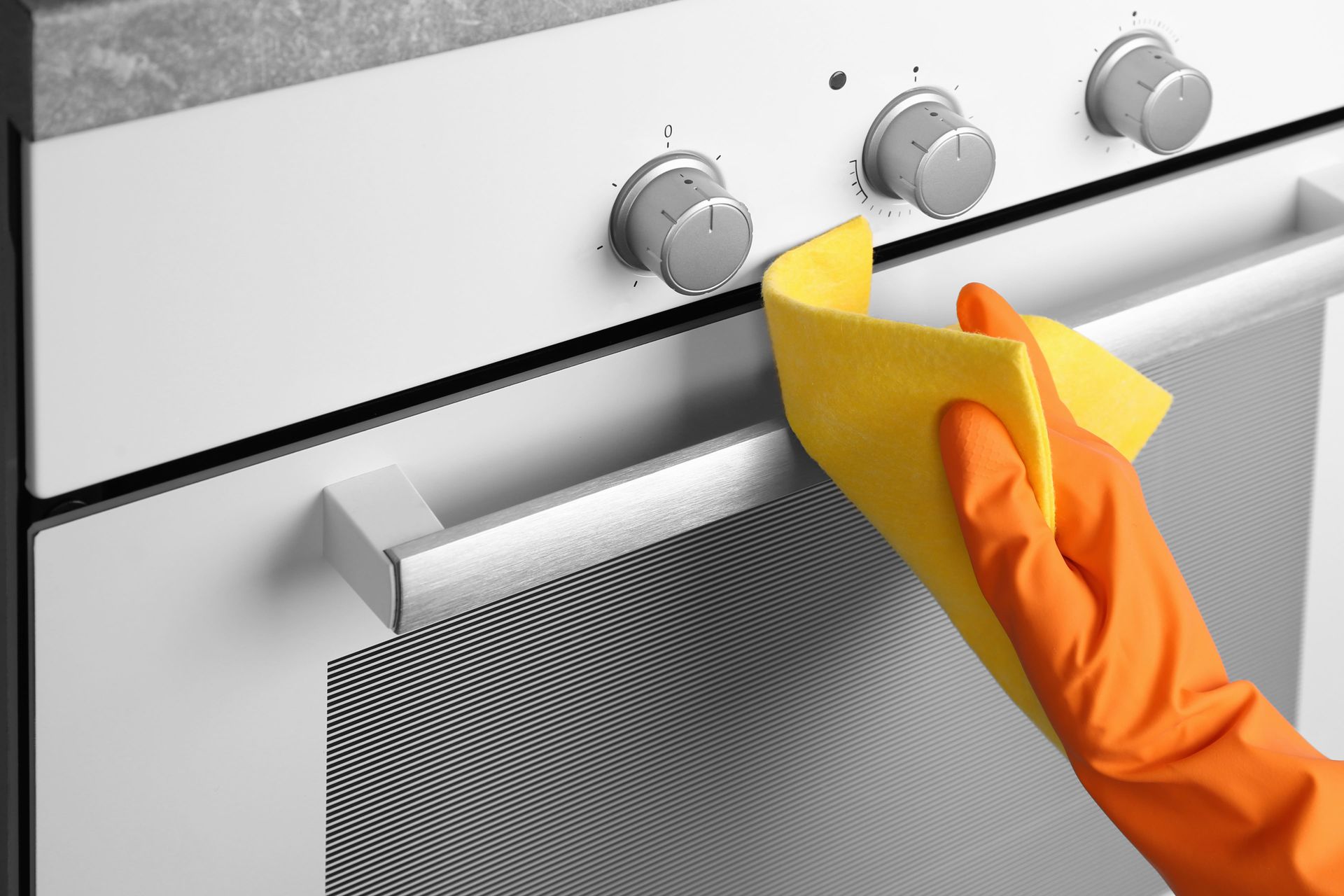
Cleaning is the foundational first step of home maintenance. It relies on mechanical action (scrubbing and wiping) combined with soap or detergent and water to lift away physical contaminants, crumbs, oils, and a significant portion of loose germs.
Examples of cleaning tasks at home
- Washing dishes with liquid soap and warm water.
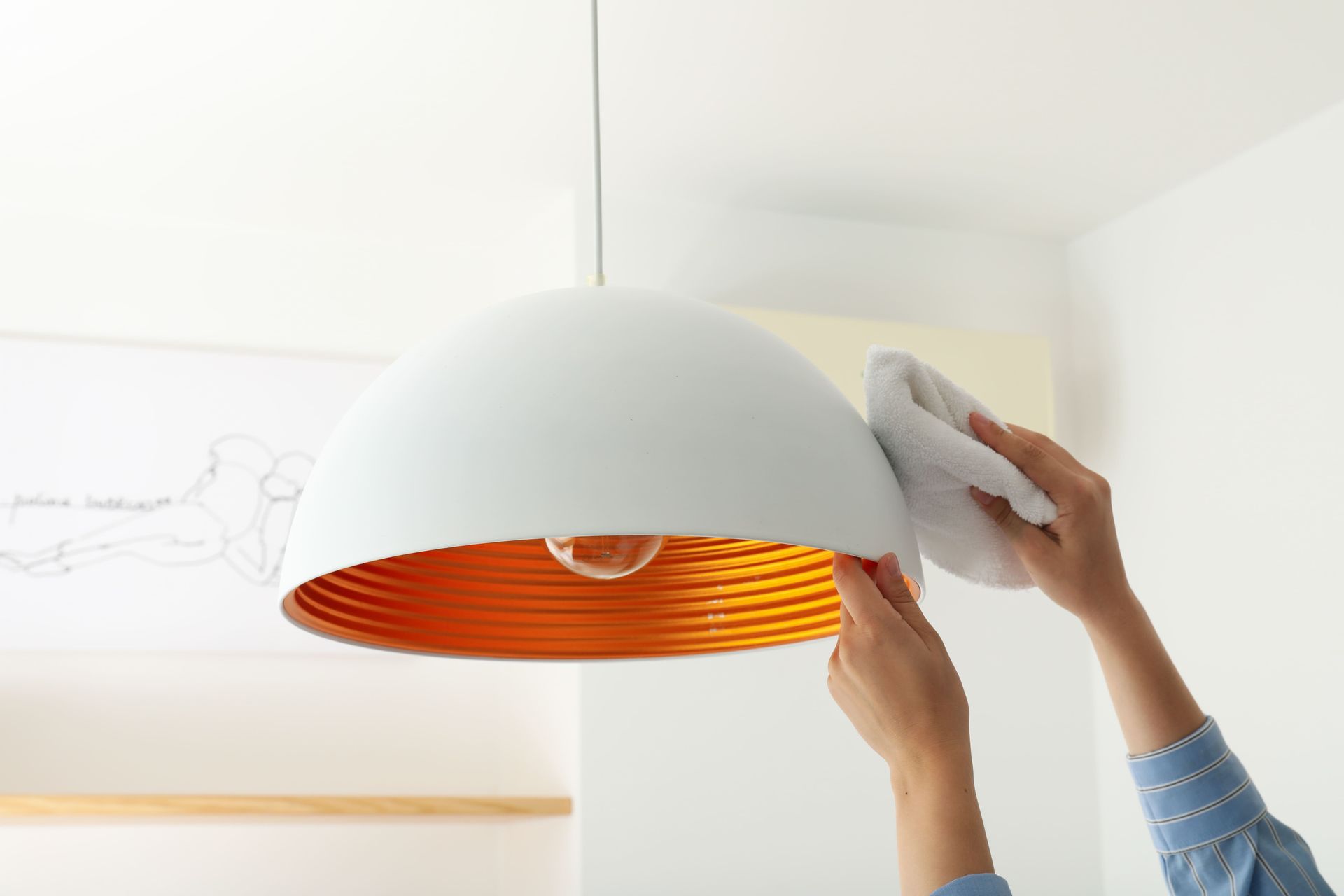
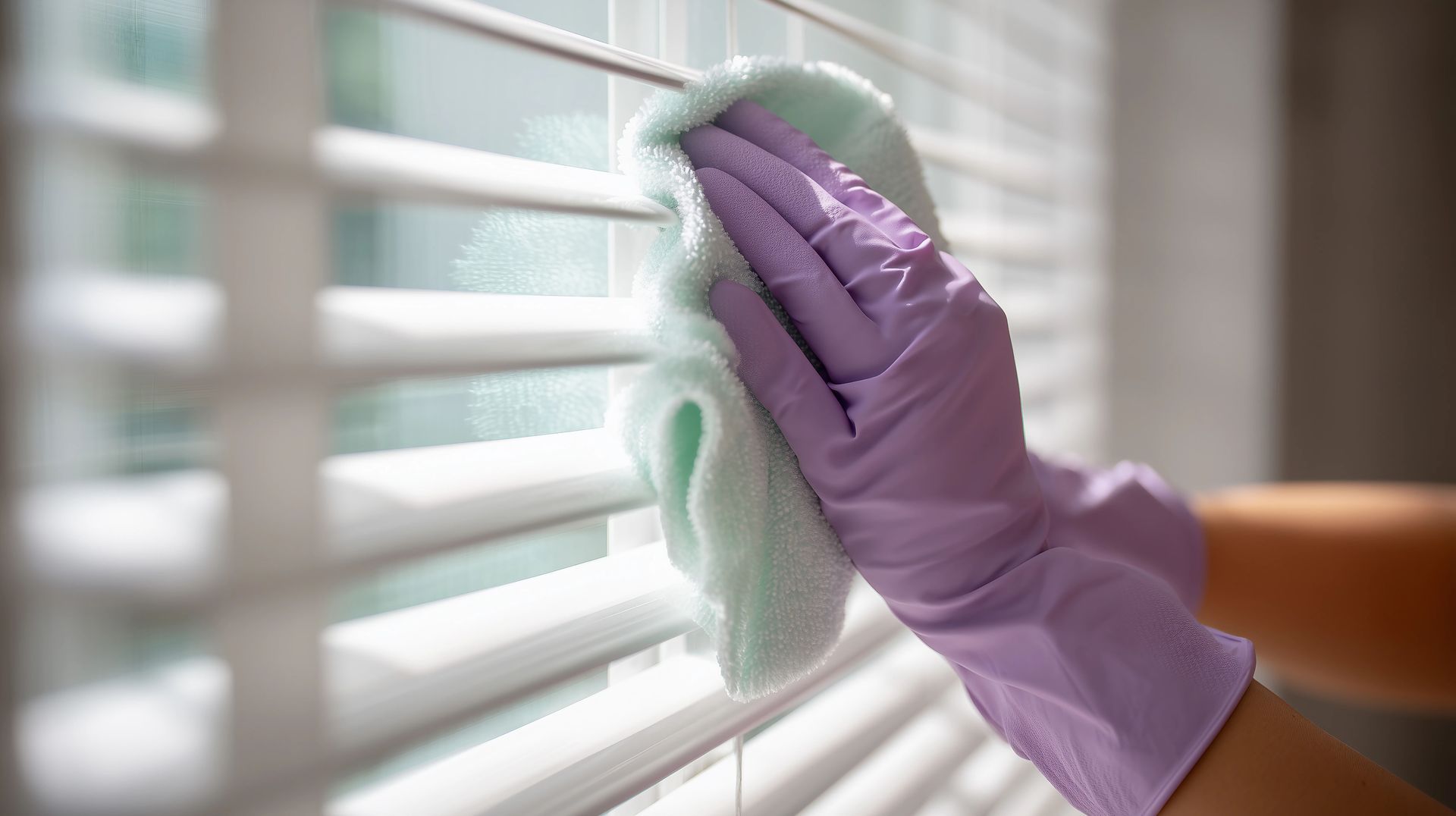
- Wiping down a dusty coffee table with a damp microfiber cloth.
- Mopping a kitchen floor to clear away tracked-in mud and food spills.
What does sanitizing mean?
Reducing germs to safer levels
Sanitizing does not eliminate 100% of microorganisms, but it reduces them to levels considered safe by public health codes or regulations. This process is critical for surfaces that come into direct contact with food or human mouths.
Where sanitizing is commonly used
- Kitchen countertops used for meal preparation.
- Children's plastic toys and high-chair trays.
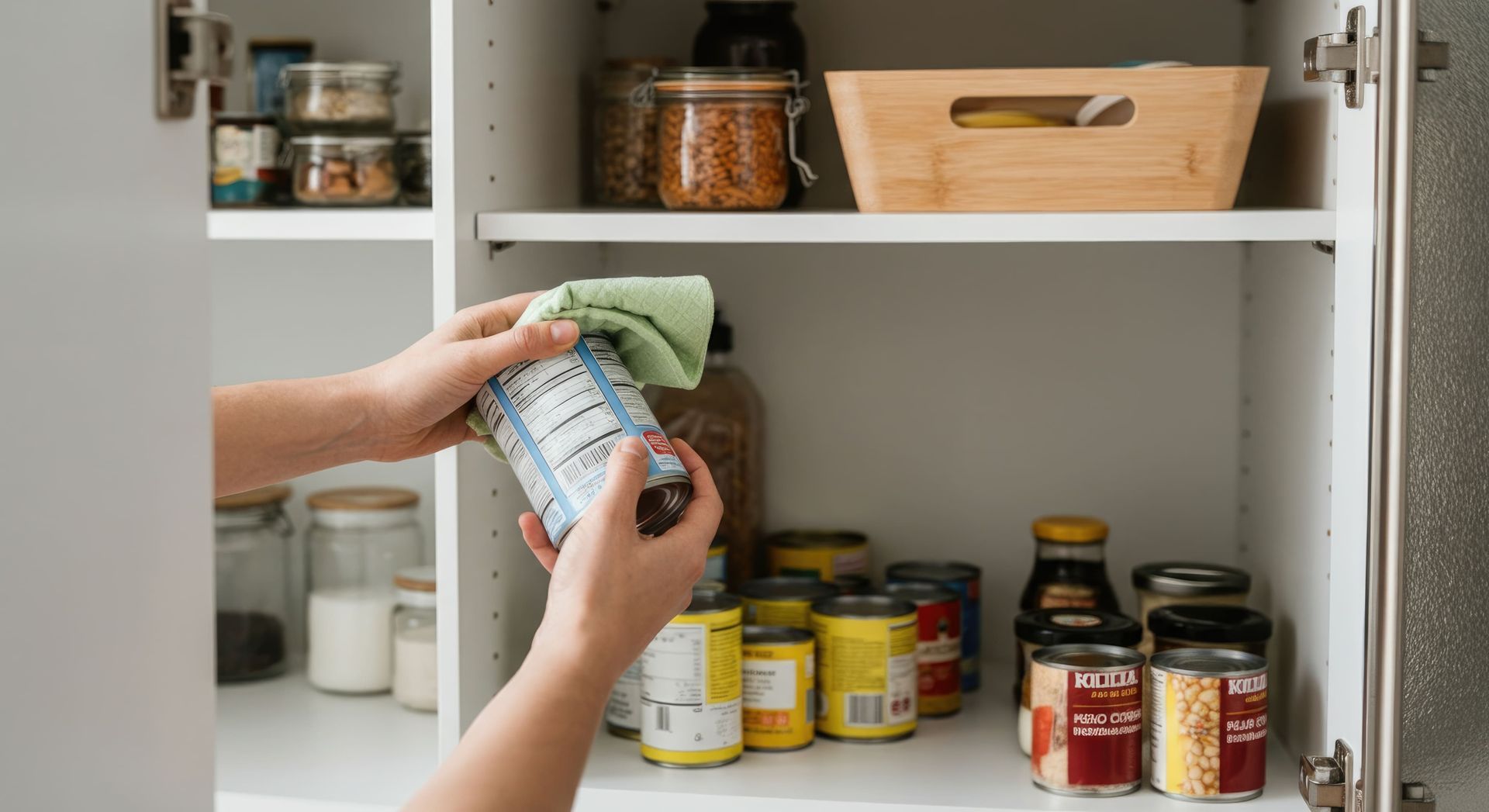
- Cutting boards and infant feeding supplies.
What does disinfecting mean?
Using approved products to kill specific microorganisms
Disinfecting goes a step further than sanitizing by utilizing EPA-registered chemical solutions to irreversibly inactivate and kill pathogens, including hard-to-kill bacteria and viruses.
Why dwell time matters
Disinfectants do not work instantly. To achieve a true kill-rate, the chemical must remain visibly wet on the surface for a specific duration—known as the contact time or dwell time—specified on the product label (usually between 3 to 10 minutes).
Cleaning vs. sanitizing vs. disinfecting by area
- Kitchen Counters
Clean & Sanitize: Prevents cross-contamination of food without leaving toxic chemical residues where meals are prepared.
- Bathrooms & Toilets
Clean & Disinfect: Neutralizes biological waste, fecal bacteria, and high-risk fungal spores.
- High-Touch Surfaces (Doorknobs, Switches)
Disinfect (When Sick): Curbs the rapid transmission of cold, flu, and viral illnesses among family members.
- Floors
Clean: Routine sweeping and mopping removes abrasive grit and general daily soil.
- Children's & Pet Areas
Clean & Sanitize: Protects sensitive immune systems and pets from harsh chemical ingestion.
What order should you follow?
Clean first, then sanitize or disinfect when needed
You cannot effectively sanitize or disinfect a dirty surface.
Why disinfectants do not work well on dirty surfaces
Organic matter, grease, and dust act as a physical shield for microorganisms. If you spray a disinfectant directly onto a greasy, unwashed countertop, the chemicals will bind to the surface dirt instead of reaching the bacteria beneath. Always wash and rinse the surface with soap and water before applying a sanitizer or disinfectant.
Common safety mistakes to avoid
Mixing products
Never combine household cleaners—especially mixing bleach with ammonia, vinegar, or acidic toilet bowl cleaners—as this creates toxic, life-threatening gases.
Skipping label instructions
Always read the product manual to verify whether a spray requires dilution, rinsing after application, or specific protective gear.
Not allowing enough contact time
Wiping a disinfectant away immediately after spraying defeats its purpose. The surface must stay wet for the full duration listed on the bottle to eradicate pathogens.
When professional cleaning can help
Routine cleaning and high-touch surface maintenance
Balancing deep cleaning, sanitization protocols, and daily disinfecting across an entire household requires consistent effort. Partnering with an expert team like Star Maids Cleaning Solutions ensures your home receives meticulous, surface-appropriate care that keeps living spaces hygienic and beautifully detailed.
Ready to enjoy a pristine, professionally maintained home without the guesswork?
Click here to get your custom quote from Star Maids Cleaning Solutions today!
FAQ
Is sanitizing the same as disinfecting?
No. Sanitizing reduces the number of bacteria to safe public health levels, whereas disinfecting kills a much broader spectrum of viruses, bacteria, and fungi.
Do you need to clean before disinfecting?
Yes, absolutely. Visible dirt and grease block disinfectants from making direct contact with germs, rendering the disinfection process ineffective.
What household surfaces should be disinfected?
High-touch hard surfaces—such as doorknobs, light switches, toilet flush handles, faucet levers, and refrigerator handles—should be disinfected, particularly when someone in the household is ill.
Can regular cleaning reduce germs?
Yes. Routine cleaning with soap and water physically removes the vast majority of surface germs, dirt, and impurities, significantly lowering the risk of spreading infection even without harsh chemicals.