
How to Get Rid of Pet Odors in Your House?
Pets bring incredible warmth, joy, and companionship to a home, but sharing your living space with dogs or cats often introduces a distinct side effect: lingering pet odors. Over time, dander, natural body oils, pet bedding smells, and occasional accidents settle into carpets, upholstery, and hard floors, making everyday house freshness feel hard to maintain.
Masking the smell with heavy air fresheners or scented candles only provides temporary relief. Knowing how to locate and neutralize pet odors at the source restores a truly clean, fresh-smelling home.
Quick answer: how to remove pet odors at the source
- Clean and Deodorize Directly: Target the actual accumulation zones—including pet bedding, upholstery, carpets, and litter areas—rather than spraying the air.
- Neutralize, Don't Mask: Use enzymatic cleaners to break down organic proteins and odor-causing bacteria instead of relying solely on artificial perfumes.
Why pet odors linger indoors
- Pet Hair and Dander: Shedding fur drifts onto floors, baseboards, and furniture, trapping oils and odors across every room. (For tips on tackling fur, check out our guide on how to remove pet hair from furniture and carpet).
- Accidents on Carpet or Rugs: Urine that penetrates deep into carpet backing and padding forms uric acid crystals that continuously reactivate with humidity.
- Dirty Pet Bedding: Fabric pet beds absorb natural skin oils and moisture daily, becoming the primary source of house-wide doggy smells.
- Litter Boxes and Food Areas: Constant use and scattered food particles quickly cultivate stubborn organic odors if not cleaned daily.
- Moisture Trapped in Upholstery: Fabric couches absorb everyday body oils and pet scents when animals curl up on the cushions.
Step-by-step pet odor removal plan
Find the source of the odor
Sniff out the primary culprit areas. If a room smells persistently musty, inspect the baseboards, underneath furniture, and soft textiles where pets spend the most time.
Wash removable fabrics and pet bedding
Launder pet blankets, cushion covers, and washable beds in hot water using an additive-free detergent or a splash of white vinegar to strip away trapped oils and bacteria.
Clean floors around pet zones
Carpet, hardwood, tile, and washable rugs
- Carpets & Rugs: Treat organic accidents using specialized enzymatic carpet cleaners, let them dwell, and extract thoroughly.
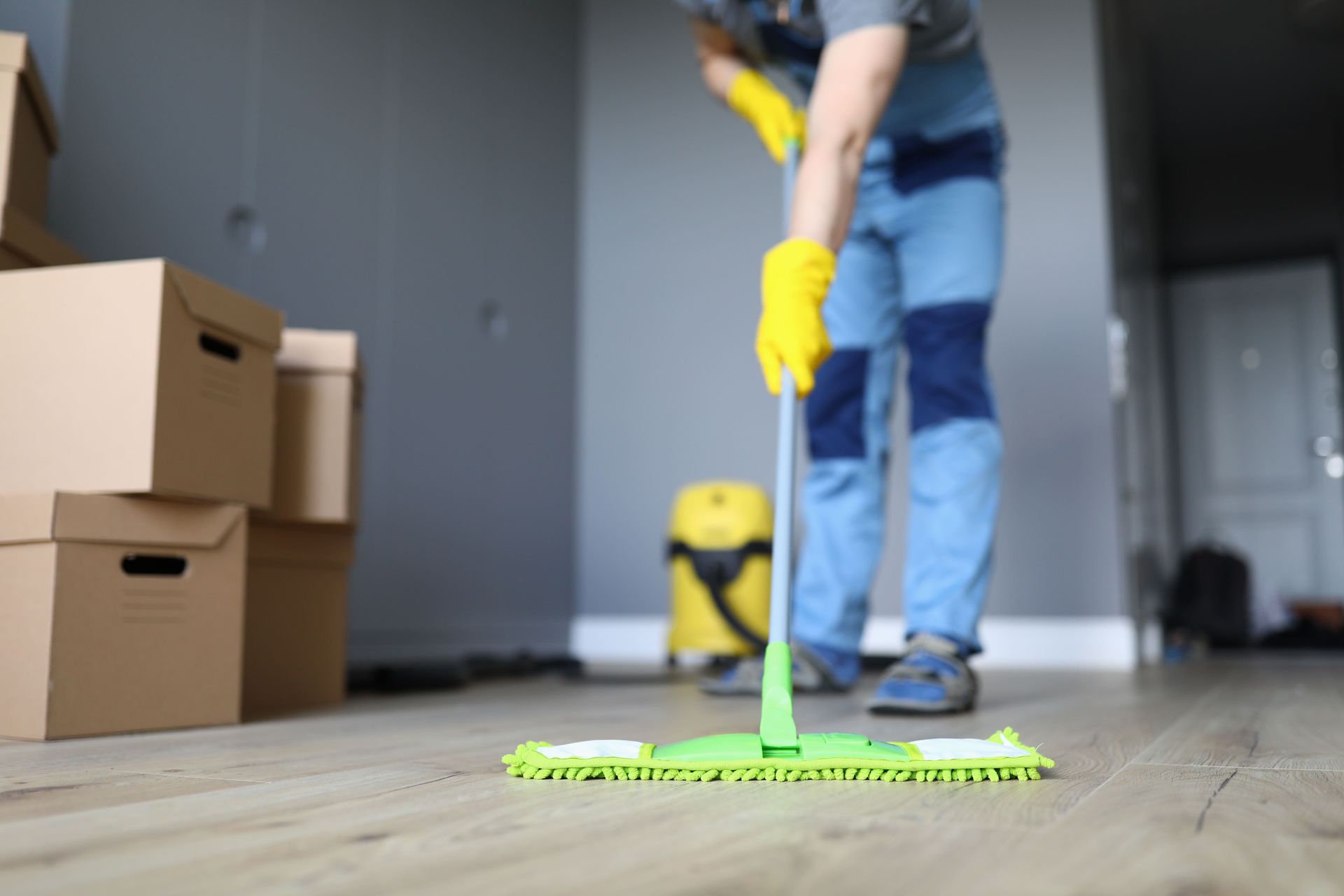
- Hardwood & Tile: Mop sealed hard floors with a pet-safe, pH-neutral cleaner to eliminate grime around food bowls and pet gates without damaging the finish.
Treat upholstery carefully
Dab smelly couch areas lightly with an approved fabric-safe enzymatic spray or sprinkle baking soda across the cushions, let it sit for 30 minutes, and vacuum it away.
Why fabric should never be oversaturated
Never drench furniture fabric or mattresses in liquid cleaners. Excess moisture seeps deep into inner foam padding, creating a breeding ground for mold and mildew that makes odors worse.
How to prevent pet odors from returning
- Vacuum Frequently: Capture loose fur, dander, and tracked-in dirt at least twice a week in high-traffic pet areas.
- Wash Pet Items on a Schedule: Establish a routine of laundering pet bedding and blankets every one to two weeks.
- Clean High-Touch Areas and Floors Consistently: Keep hard-surface flooring and baseboards wiped down to prevent airborne dander from settling permanently.
When recurring professional cleaning helps
Homes with pets, busy families, shedding, and odor-prone rooms
Even with regular daily maintenance, living with multiple pets means dander, dust, and subtle odors inevitably settle into hard-to-reach corners, baseboards, and living room carpets. Partnering with a reliable recurring house cleaning service keeps your floors, surfaces, and high-touch areas consistently pristine. (For families utilizing professional pet grooming services like Star Dog, pairing your pet care routine with a dependable residential cleaning schedule ensures your entire household stays effortlessly fresh, clean, and hair-free).
FAQ
What removes pet odor from a house?
The most effective solution is targeted cleaning with enzymatic cleaners for organic waste, baking soda for fabric deodorization, frequent laundering of pet bedding, and thorough vacuuming of floors and upholstery.
Why does my house still smell like pets after cleaning?
Houses often still smell like pets if the odor source is hidden—such as urine deep in a carpet pad, dirty air filters, unwashed pet bedding, or trapped dander inside couch upholstery.
How do you remove pet odor from fabric?
Remove pet odor from fabric by sprinkling baking soda across the surface to absorb trapped oils, vacuuming it thoroughly, and treating targeted spots with a fabric-safe enzymatic cleaner.
How often should pet owners schedule house cleaning?
Pet owners benefit greatly from scheduling a professional deep clean initially, followed by a biweekly or weekly recurring cleaning service to keep pet hair, dander, and odors from building up.