
How often should you deep clean your house
Most homeowners clean every week, yet dust, grease, and grime still build up in places a quick tidy never reaches. That gap is exactly why so many people ask how often should you deep clean your house, and the honest answer depends on a few things beyond a fixed date on the calendar.
This guide breaks down a realistic deep cleaning frequency, the warning signs your home is overdue, and a simple schedule you can actually stick to throughout the year.
The short answer
Most homes need a deep clean every three to six months, with high-traffic households leaning toward the three-month mark. Homes with pets, young children, allergy sufferers, or frequent guests usually benefit from a deep clean closer to every 90 days. Smaller households with fewer people at home can often stretch to twice a year.
Regular weekly or biweekly cleaning keeps surfaces tidy, but it rarely touches baseboards, grout lines, vents, or the back of appliances. A deep clean is what catches up on all of that.
Signs you need a deep clean now
Sometimes the calendar matters less than what you actually see and smell at home. Watch for these signs:
- Dust builds back up within a day or two of regular cleaning
- Grout lines look gray no matter how much you scrub
- Musty or stale odors linger in bathrooms or kitchens
- Allergy symptoms flare up more at home than elsewhere
- It has been more than four months since the last thorough clean
- Guests are coming and the home needs more than surface tidying
If two or more of these apply, it is a strong signal to schedule a deep clean rather than wait for a set date.
How often should you deep clean your house by lifestyle and home type
Not every household needs the same schedule. A few common situations change how often a deep clean makes sense, and matching the frequency to how the home is actually used matters more than following a generic rule.
Homes with pets or children
Pet hair, dander, and everyday messes from kids accumulate faster than most people expect. These households often do best with a deep clean every 8 to 10 weeks, paired with more frequent vacuuming and floor care in between.
Homes with allergy sufferers
Dust mites, pollen, and mold spores settle into carpets, upholstery, and bedding over time. Professional cleaners frequently find the heaviest dust buildup behind furniture and under beds, areas that a standard cleaning routine tends to skip. For allergy-sensitive households, a deep clean every 60 to 90 days helps keep symptoms in check.
Rental or short-term homes
Properties with frequent turnover, whether from tenants or short-term guests, benefit from a deep clean between each stay rather than on a fixed monthly schedule. This keeps the home consistently guest-ready and protects the condition of floors, appliances, and fixtures.
Empty nesters and smaller households
Homes with fewer daily occupants and lighter foot traffic tend to hold up longer between deep cleans. Twice a year is often enough, since there is less dust generated day to day and fewer surfaces get heavy use. That said, homes near construction, farmland, or high-pollen areas may still need more frequent attention regardless of household size.
What's included in a deep clean checklist
A true deep clean goes well beyond wiping counters and vacuuming floors. A solid deep clean checklist typically covers:
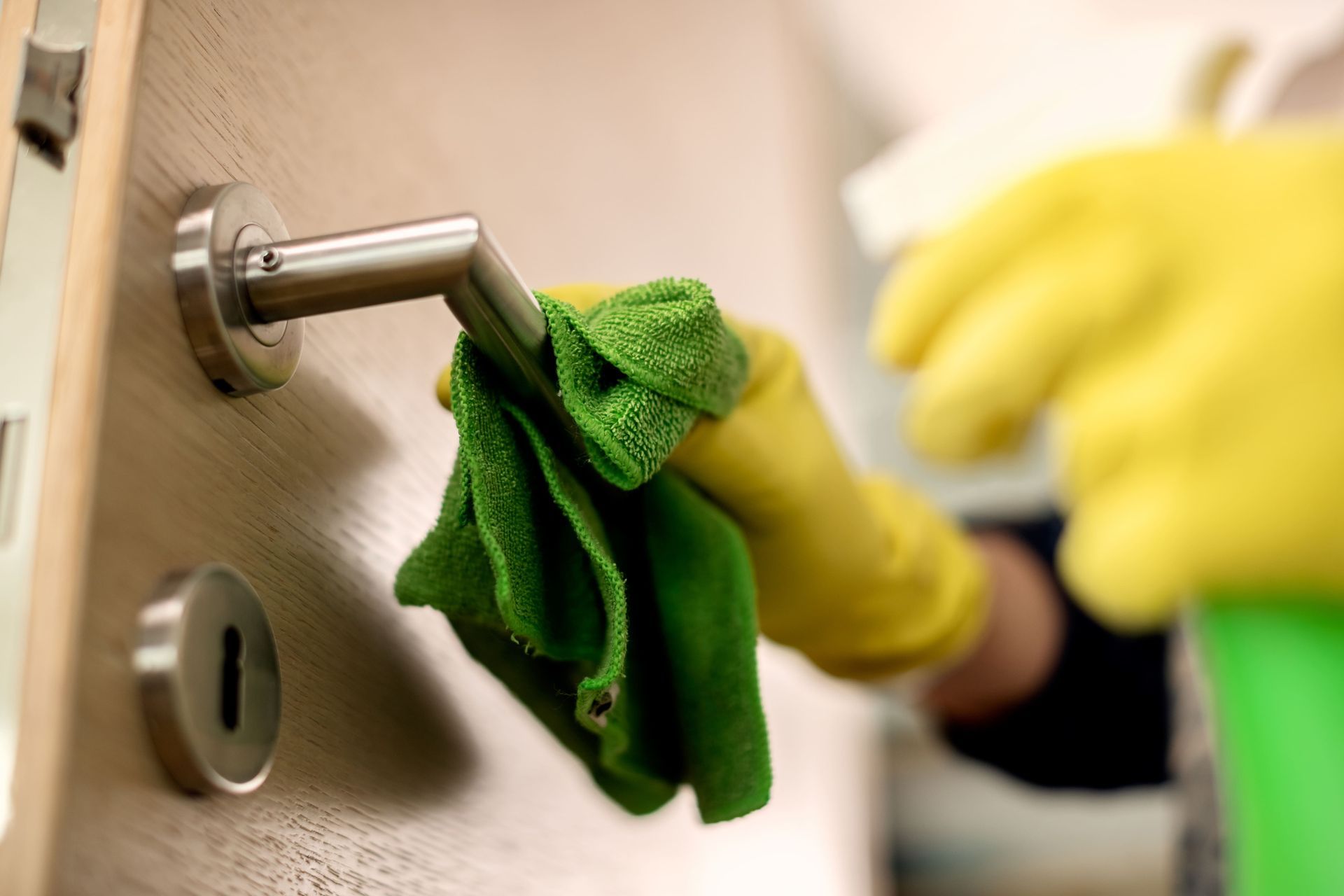
- Baseboards, door frames, and light switch plates, hand-washed or damp wiped
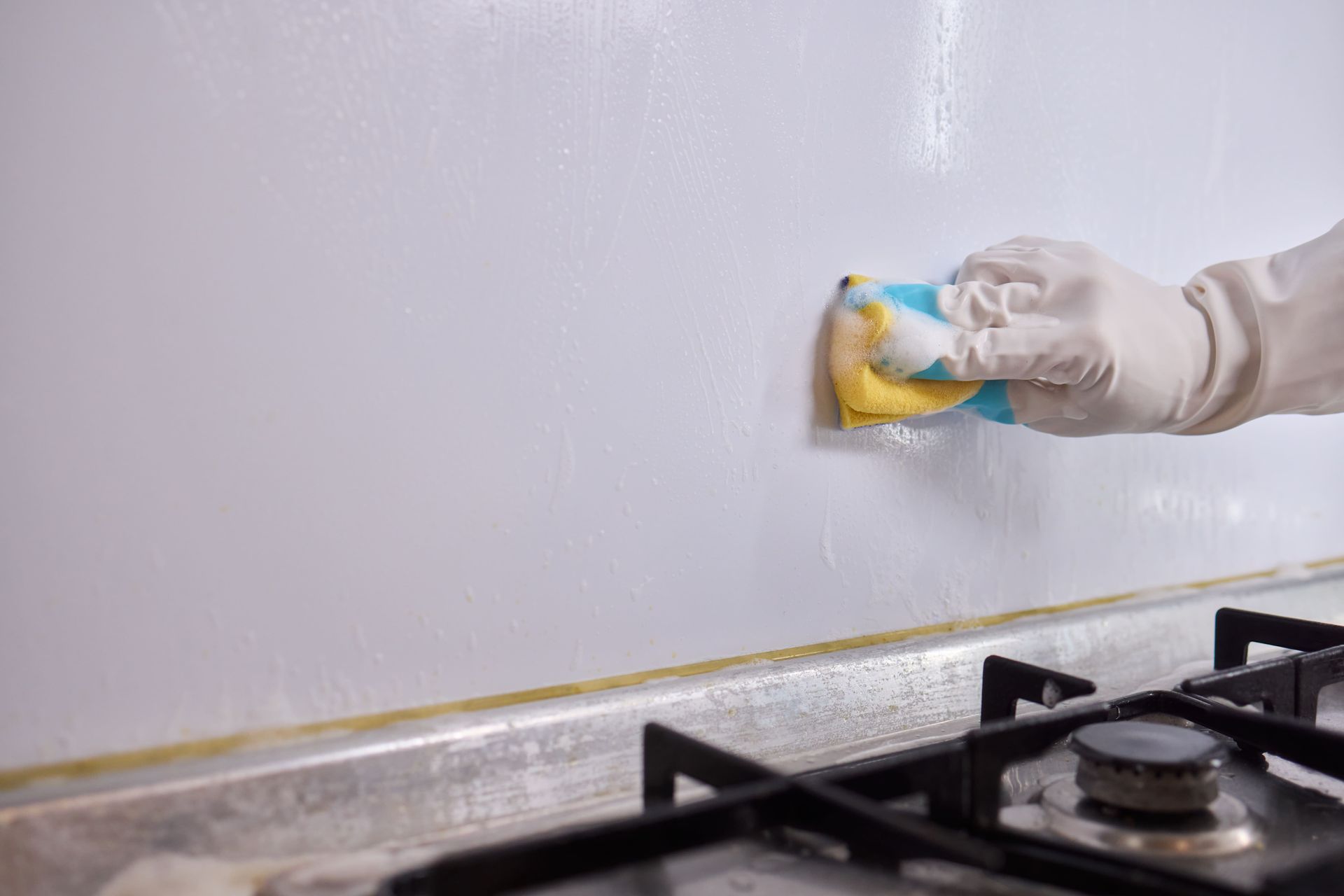
- Inside the microwave, oven exterior, and stovetop grates, scrubbed clean
- Grout lines and tile in bathrooms, double scrubbed to remove buildup
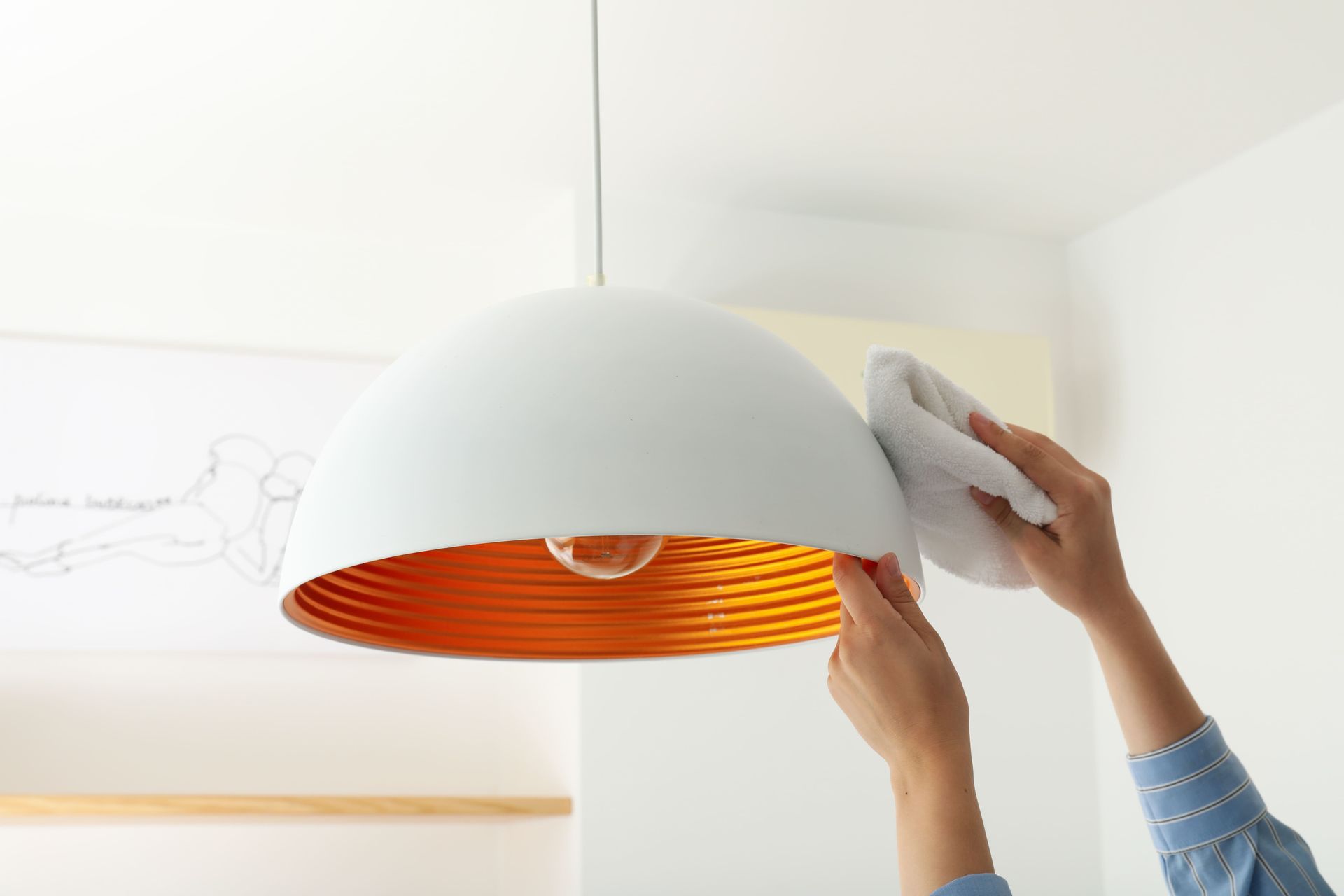
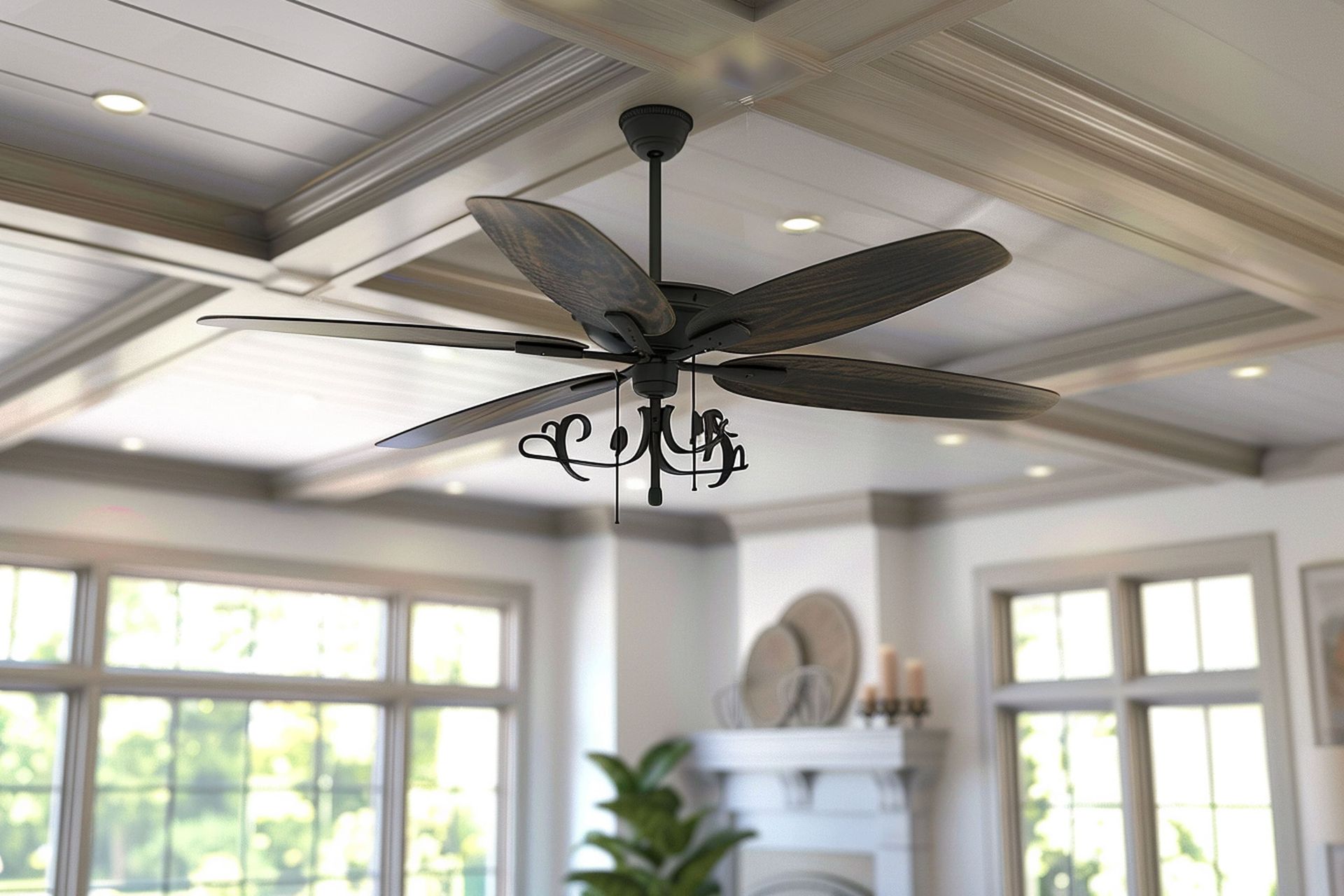
- Ceiling fans, light fixtures, and cobwebs up to a safe reach
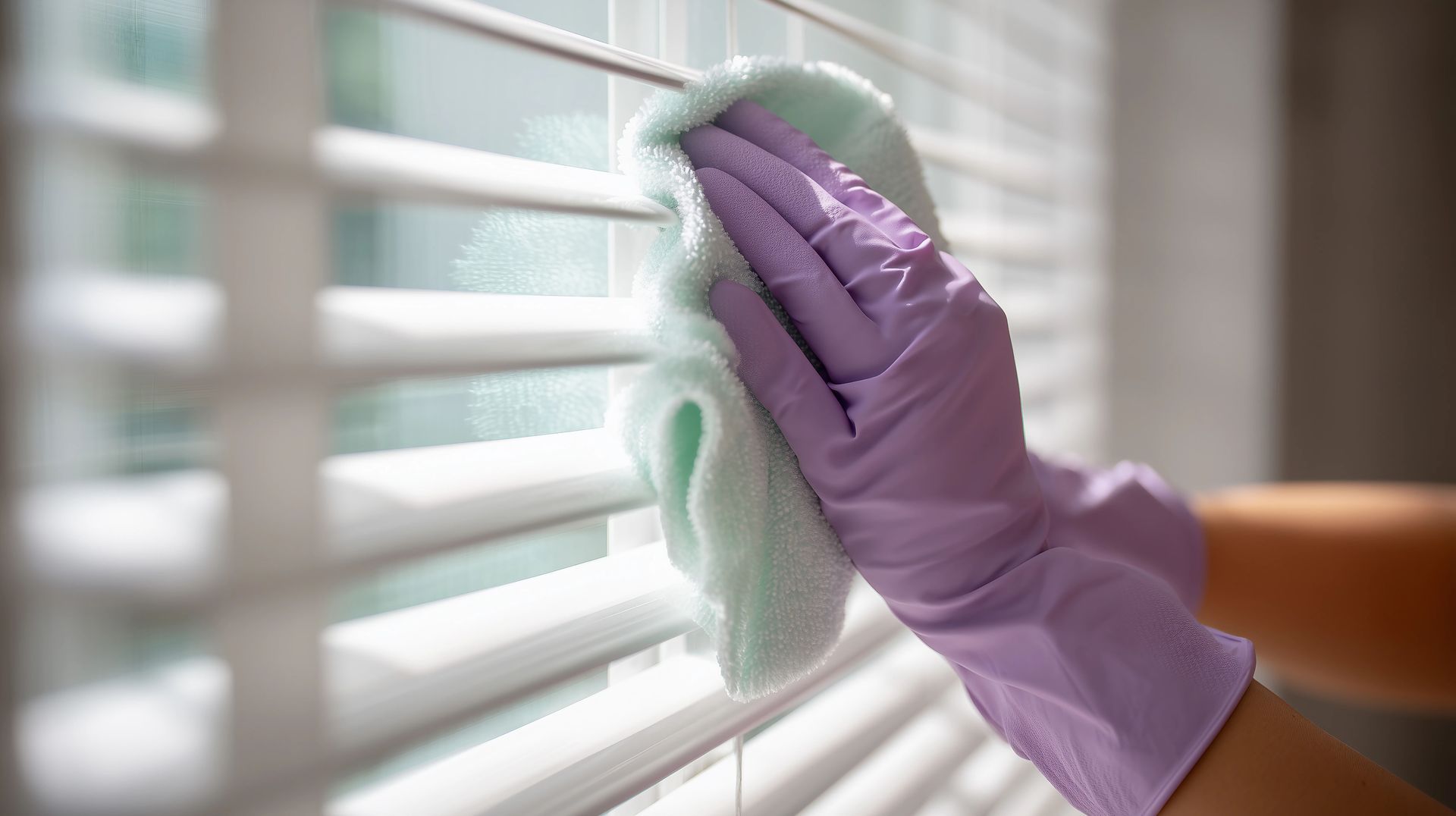
- Blinds, window tracks, and sills, dusted or damp wiped
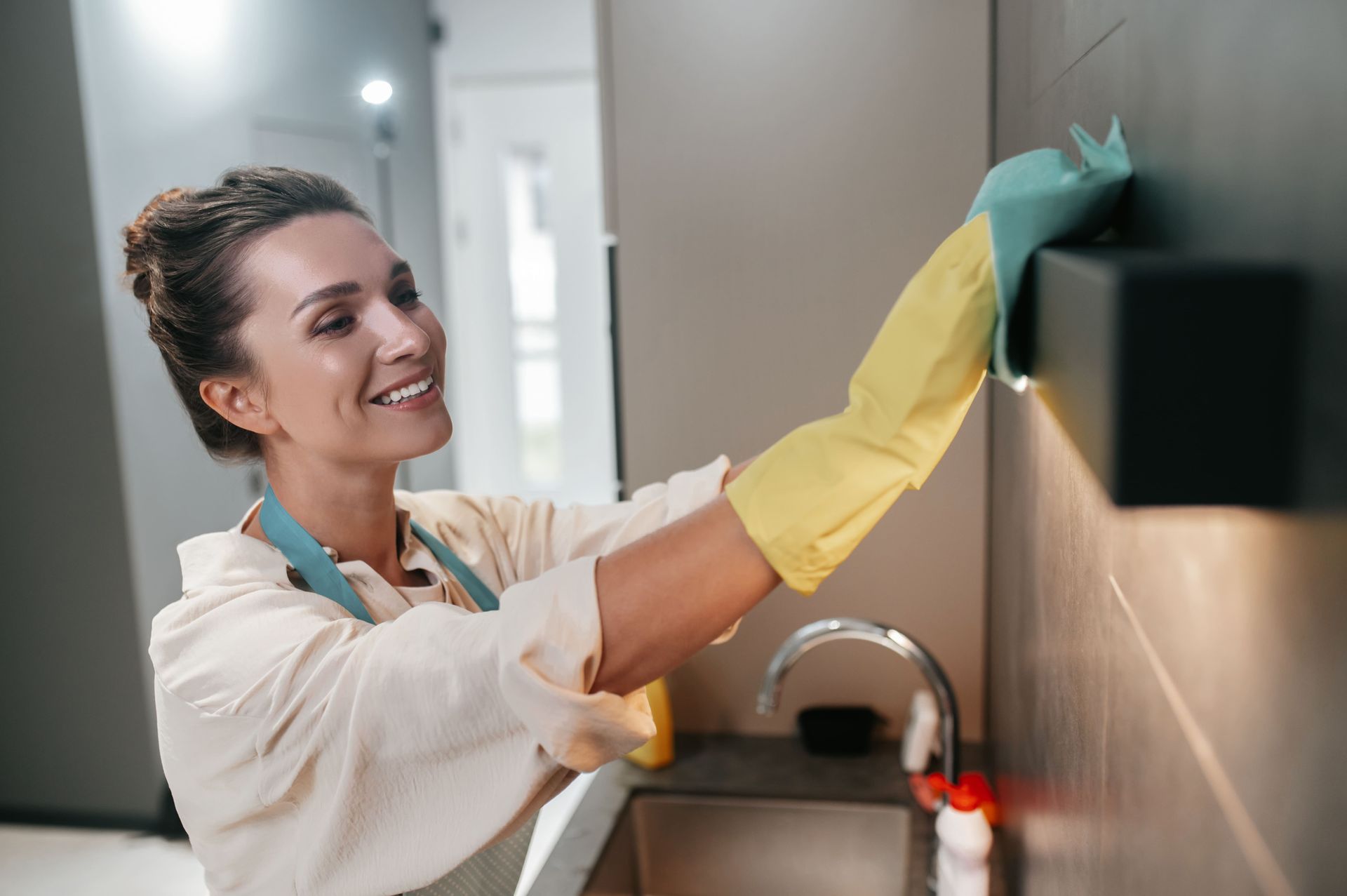
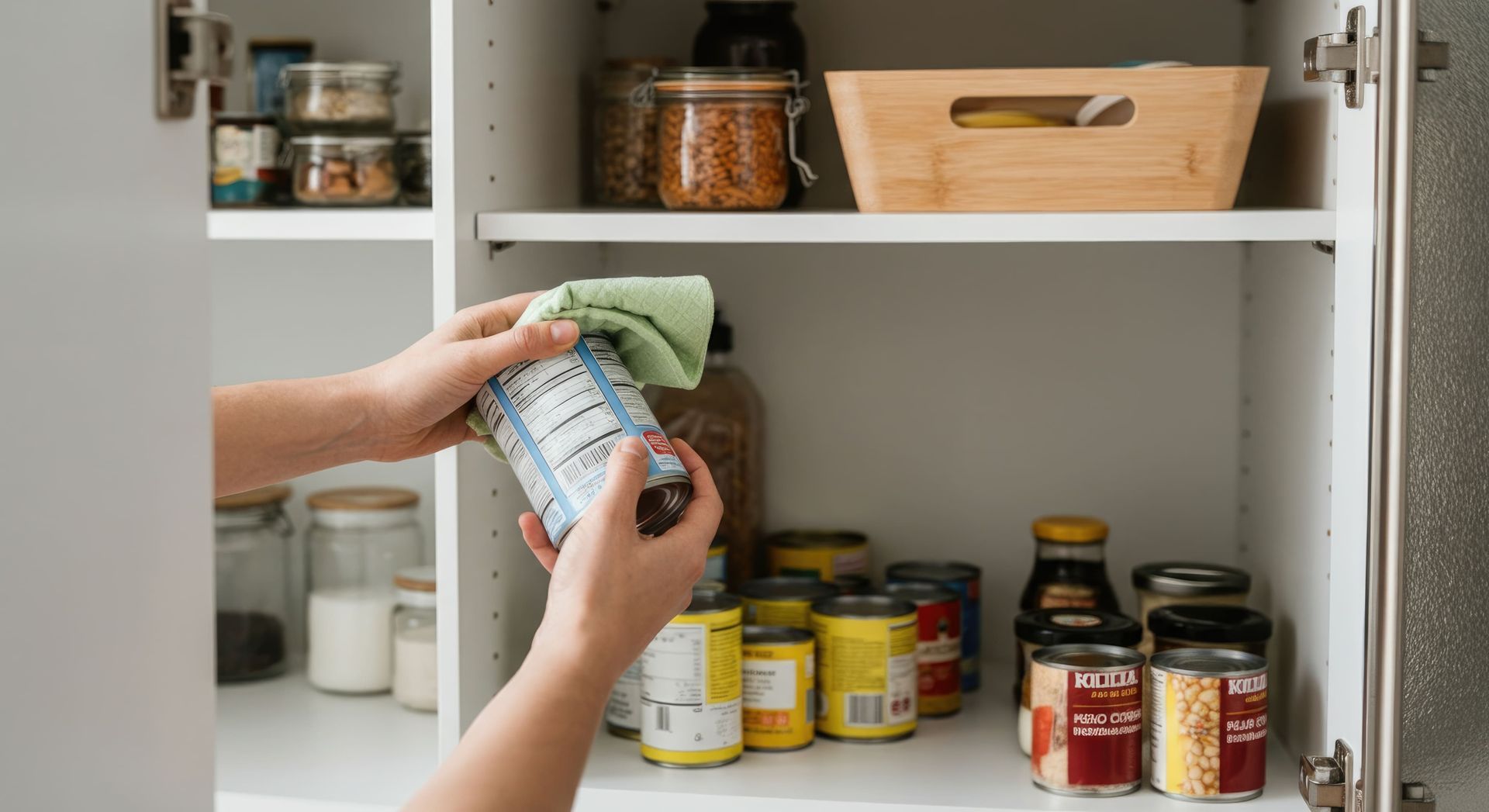
- Cabinet fronts and interior refrigerator surfaces, wiped and sanitized
- Furniture moved where possible to vacuum and dust underneath
Kitchens and bathrooms usually take the longest, since grease and soap scum build up gradually and need extra scrubbing time to fully clean.
What professionals notice room by room
Experienced cleaning teams tend to spot the same problem areas visit after visit. In kitchens, grease film collects on cabinet tops and behind stovetop knobs long before it is visible from a distance. In bathrooms, grout near the shower floor holds onto soap scum even after regular wiping, which is why a deep clean often includes a dedicated grout scrub. Bedrooms and living rooms accumulate dust on ceiling fan blades and behind headboards, areas that rarely get touched during a quick weekly pass.
Knowing where buildup hides makes it easier to judge whether a home is actually due for a deep clean, rather than relying on how tidy it looks at a glance.
Deep cleaning vs regular cleaning: how they work together
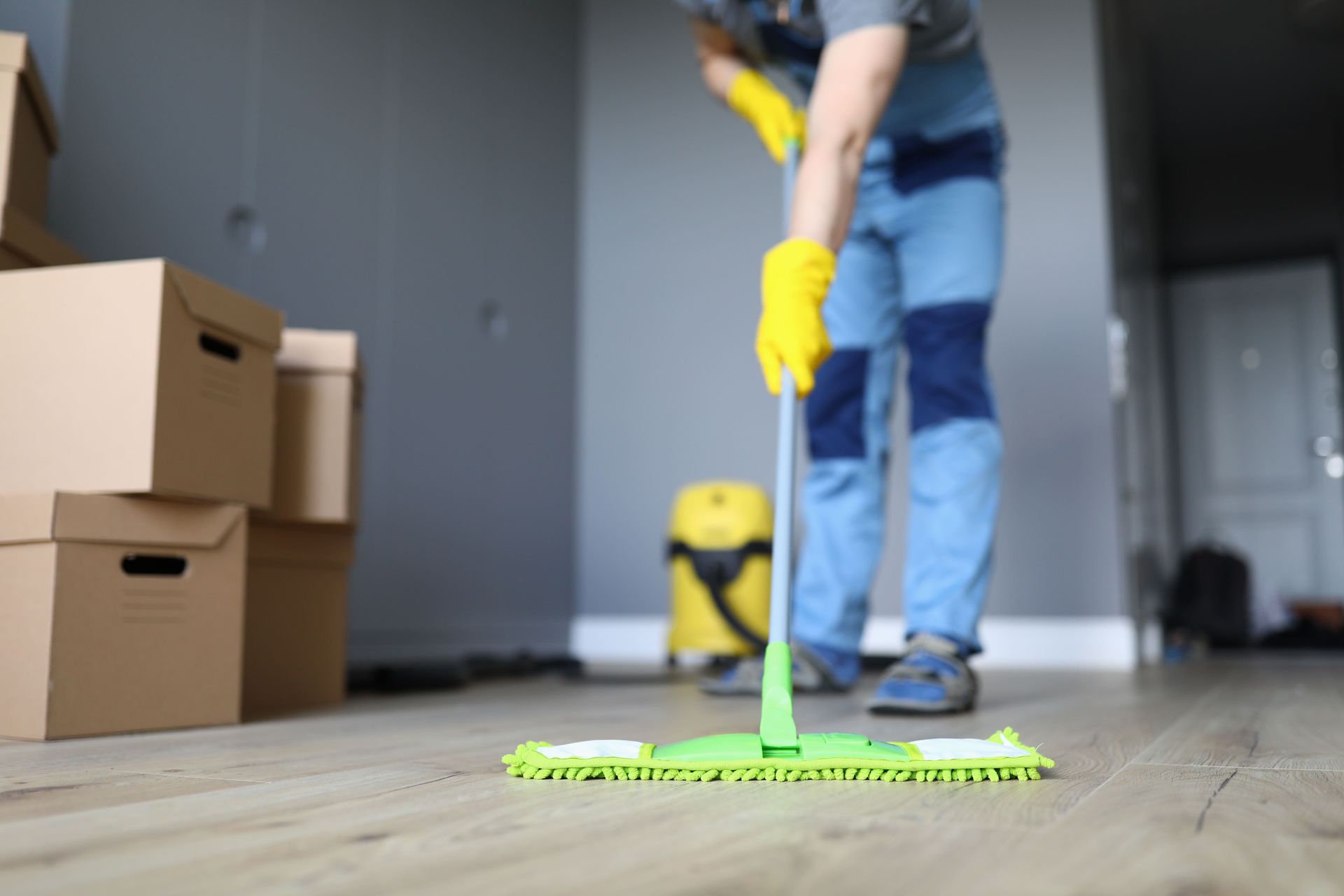
Regular cleaning and deep cleaning are not competing services. They work together. Weekly or biweekly visits keep the home presentable day to day: wiping counters, vacuuming, and mopping. A deep clean resets the parts of the home that routine visits are not designed to cover.
Think of it this way: recurring cleaning maintains the baseline, while a deep clean periodically restores it. Skipping deep cleaning for too long means grime accumulates faster than any weekly routine can offset, which eventually makes every regular visit harder and less effective.
Building a professional deep cleaning schedule
A practical, sustainable schedule usually follows these steps:
- Start with a seasonal deep clean, once at the start of each season or at minimum twice a year
- Add a mid-cycle deep clean for busy households, roughly every 8 to 12 weeks
- Pair deep cleans with major life events, such as moving, hosting holidays, or recovering from illness in the home
- Keep recurring cleaning on a consistent weekly or biweekly cadence between deep cleans
- Reassess the schedule once a year based on how the home actually holds up
Professional teams often build this into a simple annual calendar for clients, so deep cleans never get pushed off indefinitely.
Common mistakes homeowners make with deep cleaning frequency
A few habits quietly push deep cleaning further down the priority list than it should be:
- Waiting for a special occasion instead of scheduling on a recurring basis
- Assuming a tidy-looking home does not need a deep clean
- Skipping deep cleaning after a renovation, when dust settles into every surface
- Treating a single deep clean as a one-time fix rather than part of an ongoing rhythm
- Forgetting seasonal factors, such as pollen in spring or dry heat in winter, that add extra dust and allergens indoors
Avoiding these habits makes it far easier to stay ahead of buildup instead of playing catch-up every few months.
What affects deep cleaning cost and timing
Several factors influence how long a deep clean takes and what it typically costs:
- Home size: larger square footage means more rooms, more surfaces, and more time
- Time since the last deep clean: homes overdue by six months or more usually take longer than one on a consistent schedule
- Number of pets: additional pet hair and dander adds cleaning time, especially on upholstery and floors
- Add-on services: interior windows, inside the oven, or interior refrigerator cleaning are sometimes priced separately
- Access and clutter: homes with a lot of stored items or furniture that cannot be moved take longer to clean thoroughly
Getting a written quote based on the home's actual size and condition is the most reliable way to plan for cost, rather than relying on a flat rate that does not account for these variables.
Seasonal factors that affect deep cleaning frequency
The time of year plays a bigger role in deep cleaning frequency than most homeowners expect. Spring brings pollen indoors through open windows and on shoes, which settles into carpets and upholstery within days. Summer humidity in Maryland can encourage mold and mildew in bathrooms and basements if airflow is limited. Fall means more time indoors as temperatures drop, which increases dust and everyday wear on floors. Winter closes up the house for heating, trapping dust and allergens that would otherwise circulate outdoors.
Scheduling a deep clean at the start of each season, or at least twice a year around spring and fall, accounts for these shifts without requiring a rigid monthly commitment.
Frequently asked questions
Is a deep clean the same as a move-out cleaning? No. A deep clean refreshes a home that is currently lived in, while move-out cleaning prepares an empty property for the next occupant and typically covers every surface without furniture in the way.
Can I do a deep clean myself? Yes, though it takes significantly longer than professional service, often a full day or more, since it involves detailed work like scrubbing grout and cleaning behind appliances.
How long does a professional deep clean take? Most homes take between three and six hours, depending on size, condition, and how long it has been since the last thorough clean.
Does deep cleaning help with allergies? It can. Removing dust, pet dander, and pollen from surfaces, vents, and fabric reduces some of the allergens that accumulate indoors over time. The EPA recommends regular dusting, washing bedding in hot water weekly, and keeping pets off soft furniture as part of a broader indoor air quality routine.
What should I do between deep cleans? Stick to a consistent recurring cleaning schedule, whether weekly, biweekly, or monthly, so surface-level buildup does not accumulate as quickly.
Is it normal for a deep clean to take longer the first time? Yes. The first deep clean with a new provider is often more intensive, since it addresses buildup from before service began. Later visits tend to move faster once the home is on a consistent schedule.
Should I deep clean before or after a big event? Before, in most cases. A deep clean right before hosting ensures the home looks its best. Scheduling one shortly after, especially following a large gathering, also helps reset the home quickly.
Keeping your home consistently fresh between visits
A deep clean works best as part of a rhythm rather than a one-time fix. Pairing a seasonal or twice-yearly deep clean with dependable recurring cleaning keeps a home consistently comfortable without letting dust and grime pile up again.
If it has been a while since your last thorough clean, or you noticed a few of the warning signs above, Star Maids' professional cleaning services are built to bring a home back to a genuinely clean baseline, then keep it there.